

Discover Portland’s History & Heritage
From Portland Stone to Coastal Forts: Exploring the Island’s Remarkable Past
Portland’s history is unlike anywhere else in Dorset. Connected to the mainland by Chesil Beach, the island has been shaped by the sea, its famous limestone and centuries of military, maritime and royal history. Whether you’re exploring from one of our Weymouth holiday cottages nearby or discovering the county from one of our Dorset holiday cottages, Portland offers one of the most fascinating journeys through Dorset’s past.
Every corner of the island tells a different story. Portland Stone helped build some of Britain’s most famous landmarks, while castles, forts, abandoned quarries and hidden batteries reveal centuries of defending England’s south coast. Unlike many historic destinations, Portland’s heritage isn’t confined to museums. It’s part of the landscape itself.

Explore Portland’s Heritage & History

St George's Church
A striking 18th-century church with a beautifully preserved Georgian interior
Grove Prison Museum
Small museum showing and explaining about the history of the Her Majesty's Young Offender Institution (or HMYOI), during its Convict Prison days
Portland Bill Lighthouse
Iconic working lighthouse standing at the dramatic southern tip of the island.
Portland Stone, Castles and Coastal Defences
For centuries, Portland Stone has been quarried here and used to build some of Britain’s best-known landmarks, including St Paul’s Cathedral and Buckingham Palace. Around the island you’ll also discover impressive fortifications such as Portland Castle, built by Henry VIII, the dramatic ruins of Rufus Castle overlooking Church Ope Cove, and hidden military sites including High Angle Battery. Together they tell the story of an island that has long played a vital role in defending England’s south coast.
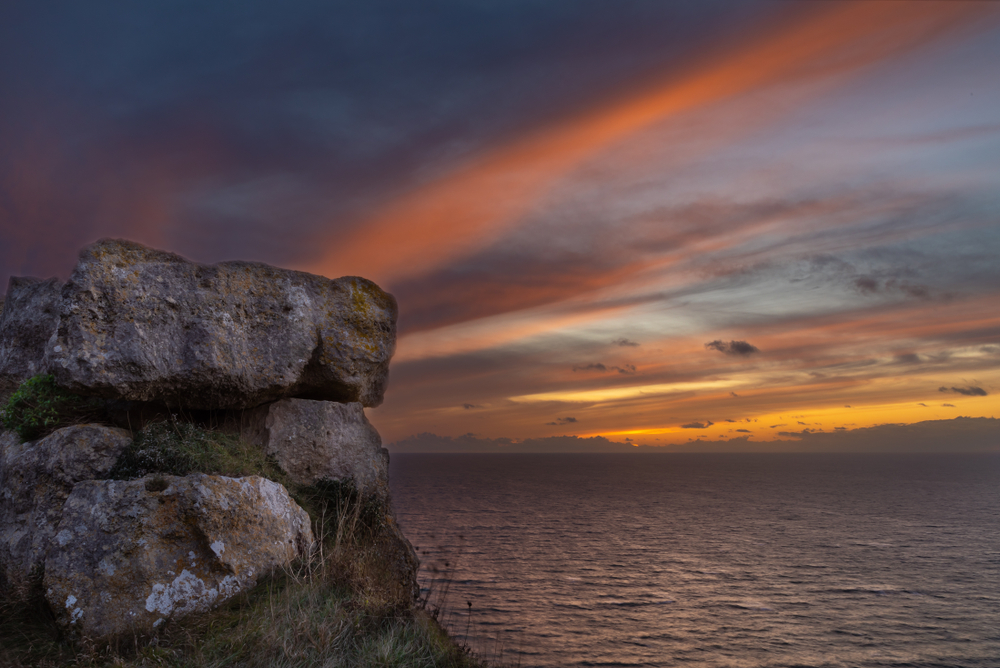
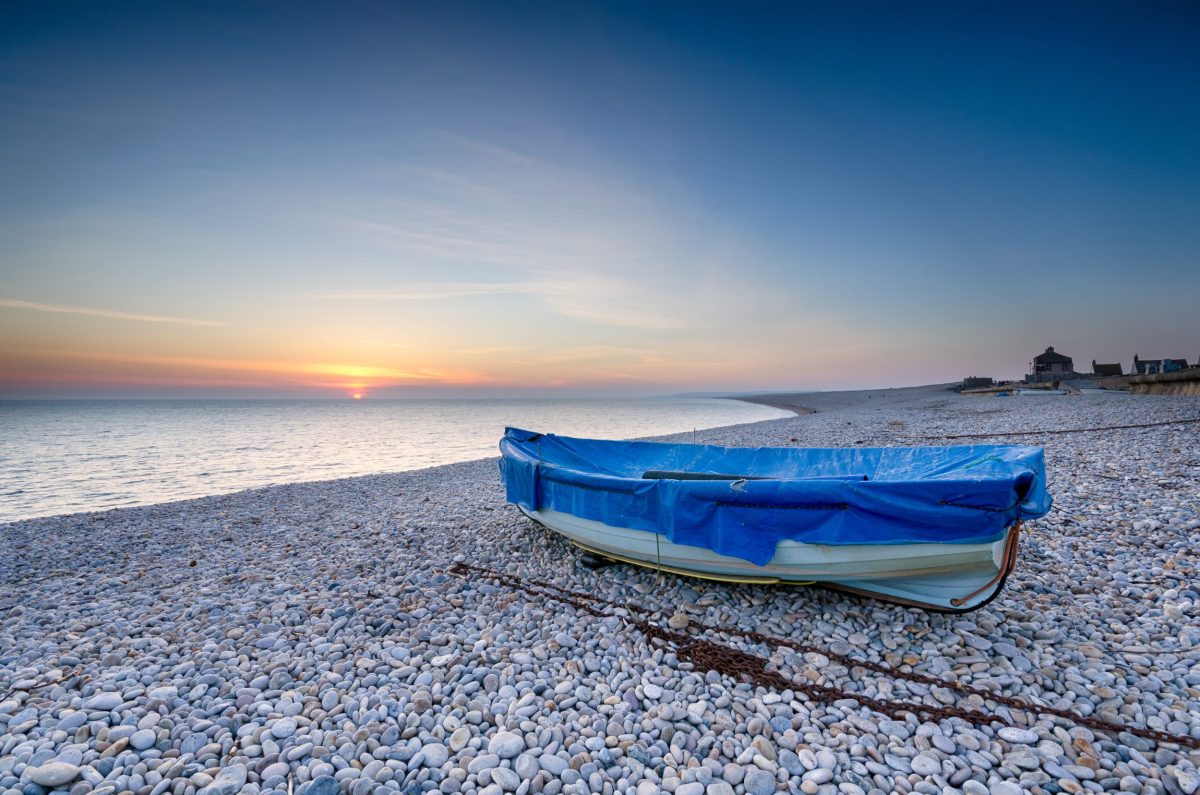
A Sea That Shapes Its Story
Portland’s relationship with the sea has shaped almost every chapter of its history. Merchant ships, naval vessels and fishermen have all navigated the infamous Portland Race, while the island later became home to one of Britain’s most important naval bases. The surrounding harbour played a significant role during the Second World War, before Portland became the centre of the infamous Portland Spy Ring during the Cold War. Today, places such as the Castletown D-Day Centre, Portland Museum and the island’s dramatic coastline help bring these remarkable stories to life.
One of the things we enjoy most about Portland is that its history never feels confined to museums. You can stand inside Henry VIII’s Portland Castle in the morning, walk through abandoned quarries in the afternoon and finish the day watching the waves break beneath Portland Bill. Every visit reveals another chapter of the island’s remarkable story, which is why we keep returning.
We’ve stood at Portland Bill watching huge waves crash over the rocks during winter storms, and it’s easy to understand why these waters earned such a fearsome reputation among sailors.
Frequently Asked Questions
Portland is famous for its dramatic Jurassic Coast scenery, the iconic Portland Bill Lighthouse and world-renowned Portland Stone, which has been used to build some of Britain’s most recognisable landmarks, including St Paul’s Cathedral and Buckingham Palace. The island is also known for its rich maritime heritage, military history and as the sailing venue for the London 2012 Olympic Games.
Portland Stone is one of Britain’s most famous building materials. Quarried on the island for centuries, it has been used in some of the country’s most important buildings, including St Paul’s Cathedral, Buckingham Palace, the Cenotaph and the United Nations Headquarters in New York. Today, you can still see the island’s quarrying heritage in places like Tout Quarry Sculpture Park, where art and history come together in a unique outdoor setting.
Portland Castle was built by King Henry VIII during the 1540s as part of a chain of coastal fortifications designed to defend England from invasion. Overlooking Portland Harbour, it’s one of the best-preserved Tudor castles in the country and offers a fascinating insight into the island’s military history.
Portland Prison opened in the nineteenth century and became closely linked with the island’s quarrying industry. Convict labour was used to extract Portland Stone and help construct many of the harbour walls and sea defences that still exist today. The prison remains part of Portland’s story, reflecting the island’s long association with engineering, industry and national defence.
Yes. Portland played a significant role during the Second World War thanks to its strategic naval harbour and coastal defences. The harbour supported Royal Navy operations and preparations for D-Day, while nearby military facilities helped protect the south coast. The Mulberry Harbours, the remarkable floating harbours developed for the Normandy landings, were also closely associated with this part of Dorset’s wartime story. Today, the Castletown D-Day Centrehelps preserve and share this fascinating history.
Today, Church Ope Cove is one of Portland’s most peaceful beaches, but its past is far more dramatic. Sheltered beneath the cliffs, the cove was once associated with smugglers who landed goods under the cover of darkness, while local legends also link the area with pirates. Overlooking the beach are the ruins of Rufus Castle and St Andrew’s Church, making it one of the island’s most atmospheric historic locations.
Absolutely. Lulworth combines one of the world’s most famous coastal landscapes with fascinating history, beautiful walking routes and a collection of unique attractions nearby. From Lulworth Cove and Durdle Door to Lulworth Castle and Tyneham Village, it’s somewhere we’ve returned to countless times and still discover something new on every visit.
Portland is ideally placed for exploring many of Dorset’s most important historic attractions. Just across the harbour you’ll find Nothe Fort and the historic waterfront in Weymouth, while Dorchester offers the outstanding Dorset Museum & Art Gallery, the Roman Town House and Shire Hall Museum. A little further away, Corfe Castle and Tyneham Village reveal even more of Dorset’s remarkable past. If you’re planning a heritage-themed holiday, take a look at our guides to Weymouth’s history, Dorchester’s history and heritage, and our Curated Guide to Dorchester’s Museumsfor even more inspiration.
If you’re planning to discover Portland’s history alongside the wider Jurassic Coast, many guests choose one of our Weymouth holiday cottages, which provide easy access to Portland while remaining close to Weymouth’s harbour, beaches and historic attractions. It’s an excellent base for exploring the island, Dorchester and much of Dorset’s fascinating heritage.
Absolutely. Portland is one of Dorset’s most rewarding destinations for anyone interested in history. From Portland Castle and Rufus Castle to the island’s quarrying heritage, Cold War espionage, maritime history and wartime defences, every corner has a story to tell. We’ve explored Portland for years and still discover something new each time we visit, which is why we regularly recommend it to guests looking to experience a different side of Dorset’s past.