
Explore Things to Do in Lulworth
Explore Lulworth Cove: Iconic Coastline, Hidden History and Walks Worth the Climb
We’ve walked this coastline more times than we can count, with children racing ahead on the path, with friends visiting for the first time, and once as part of a Macmillan hike along the cliffs from Durdle Door to Tyneham. Lulworth Cove isn’t somewhere you simply “see.” It’s somewhere you experience. Whether you’re staying in one of our Lulworth holiday cottages, exploring from elsewhere in our collection of Dorset holiday cottages, or simply visiting for the day, it’s one of those places we think everyone should experience at least once.
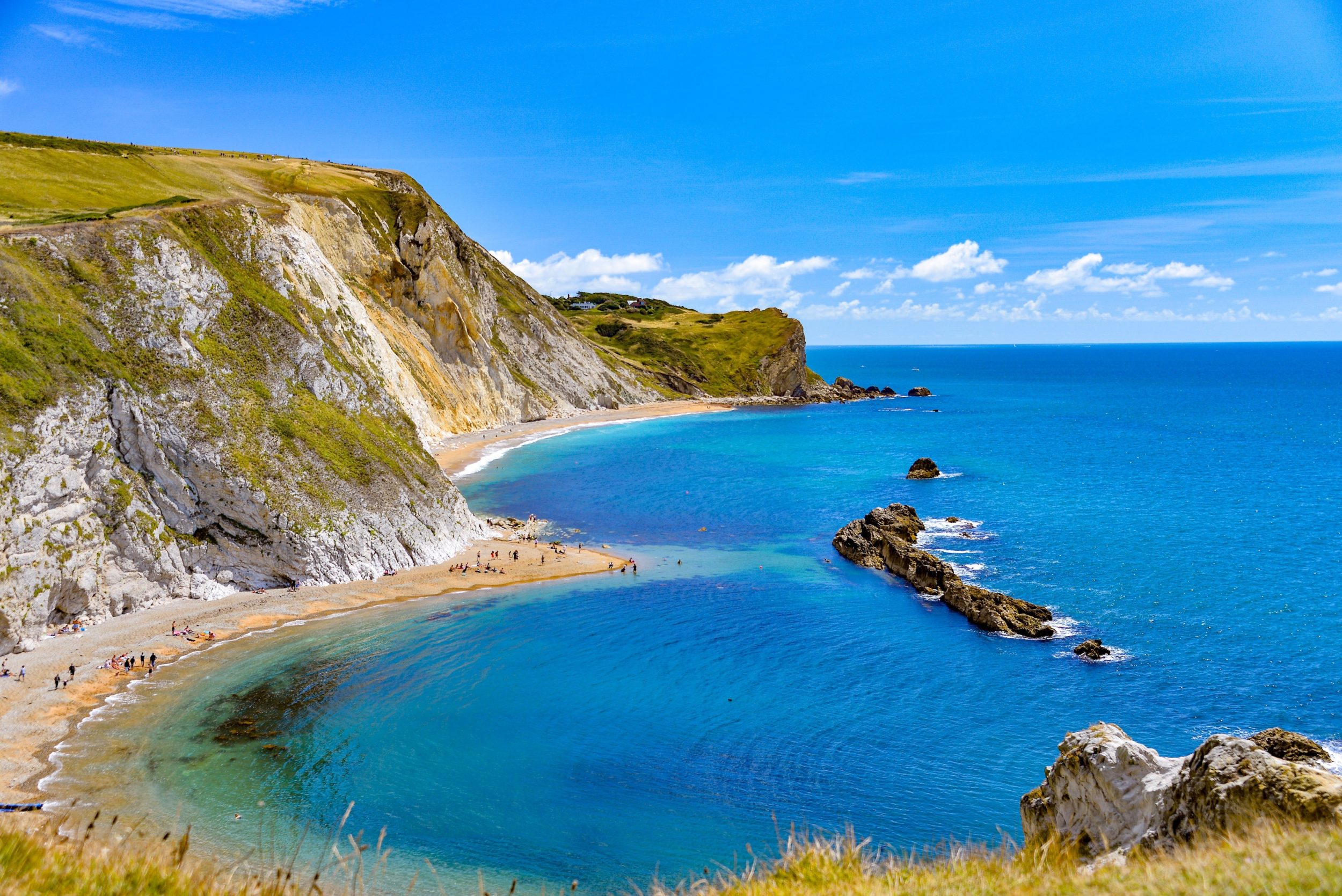
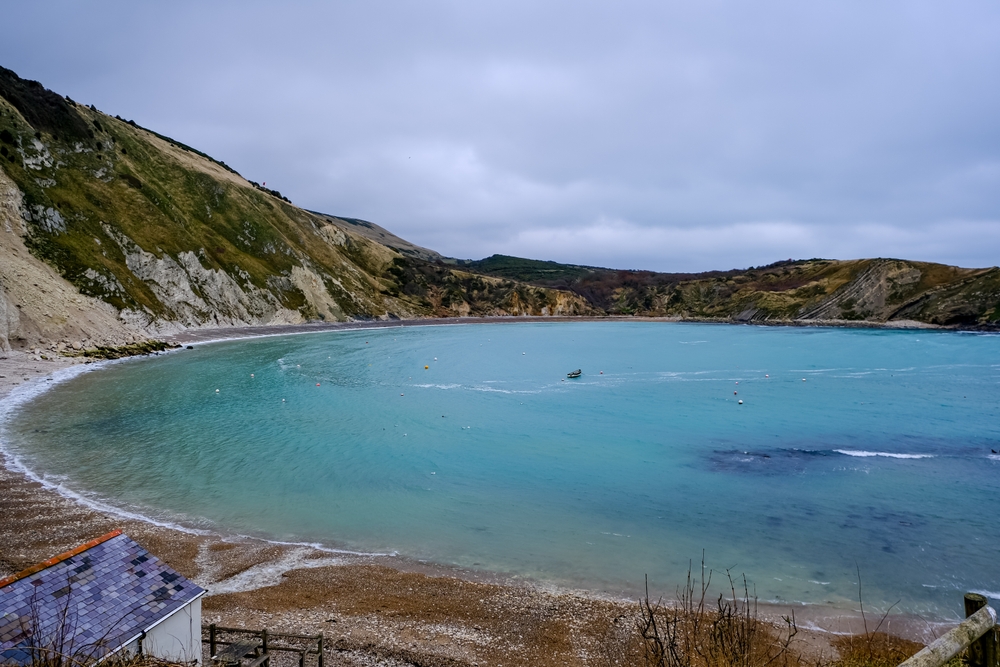
If you’re looking for things to do in Lulworth Cove, the obvious answer is the landscape itself. The perfectly curved bay, the clear water, and the dramatic chalk cliffs make it one of the most distinctive stretches of the Jurassic Coast. Just around the headland lies Durdle Door, one of Dorset’s most iconic landscapes, a natural limestone arch that genuinely takes your breath away.
Things To Do

But There’s More Here Than Just Scenery
Families staying in our family-friendly holiday cottages often enjoy Lulworth Castle. Set within parkland and built in the 17th century as a hunting lodge, it’s now restored and open to explore, and it’s dog-friendly too. Our children always looked forward to the seasonal activity trails, particularly Easter hunts in the grounds and spooky Halloween events in the Castle.
In the village, you’ll find the Lulworth Visitor Centre, kayak tours launching directly from the cove, and even a coastal sauna not far from the beach. The Boat Shed Café is a favourite for sea views, while Finley’s Café and the fish and chip takeaway are a perfect stop after a long coastal walk. The Lulworth Cove Inn, the nearby Castle Inn, and The Weld Arms are good options for something more substantial.
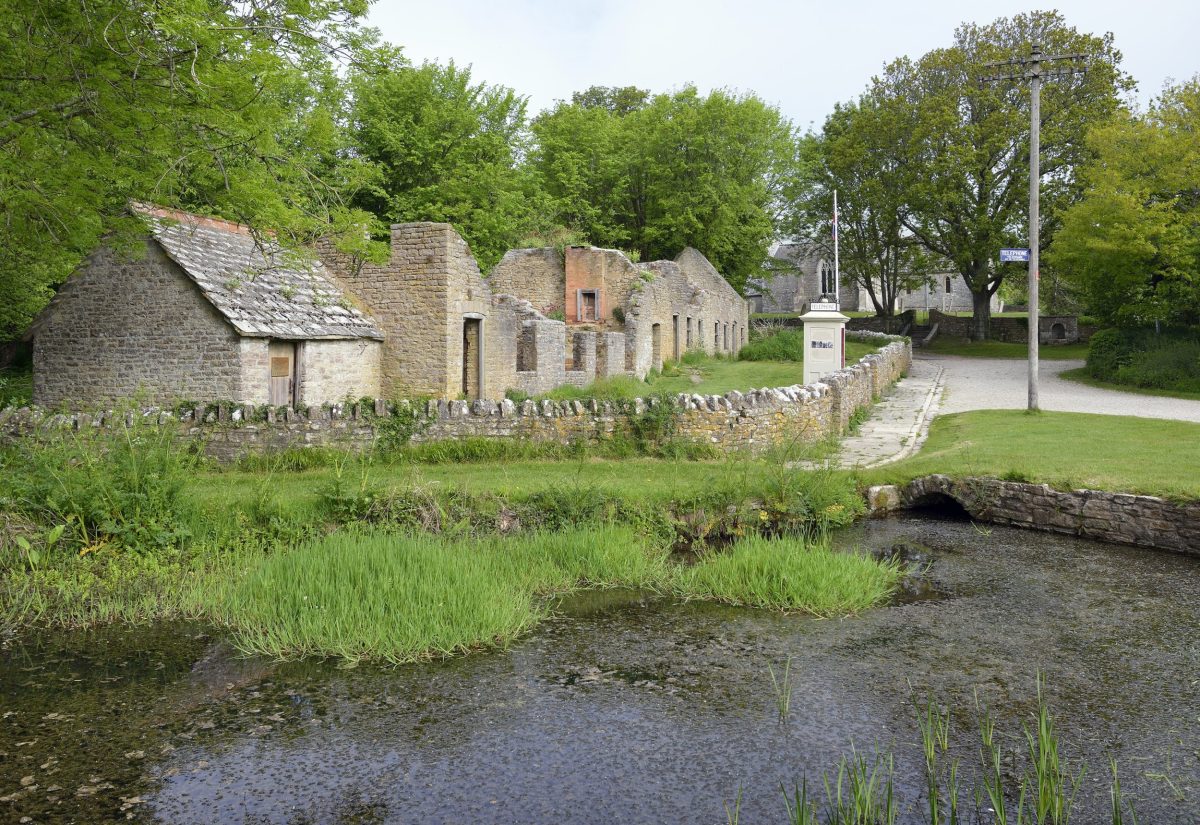
Just inland, Tyneham Village, abandoned during the Second World War, is one of the most quietly powerful places to visit in Dorset. Walking from there down to Worbarrow Bay feels like stepping back in time.
A Village Frozen in Time: Visiting Tyneham
Just inland from Lulworth Cove lies one of Dorset’s least-known stories. Tyneham was evacuated during the Second World War and has not been reoccupied by its residents. Today, the village remains preserved, with empty cottages, a schoolhouse still displaying children’s work, and a church that feels paused rather than abandoned.
We’ve walked down to Worbarrow Bay from here many times, which is a perfect way to round off a visit.
If you’re planning to spend time in Lulworth, it’s well worth setting aside a few hours to explore. It’s one of Dorset’s most extraordinary places.
Why we love Lulworth
What makes Lulworth so special isn’t simply one attraction. It’s the variety packed into such a small area. You can spend the morning kayaking beneath towering cliffs, walk to one of England’s most photographed landmarks, enjoy lunch overlooking the sea, then finish the day exploring an abandoned village that has stood frozen in time since 1943. Few places in Dorset pack so much into such a compact area, which is why we find ourselves returning in every season.
Continue Exploring Dorset’s Jurassic Coast
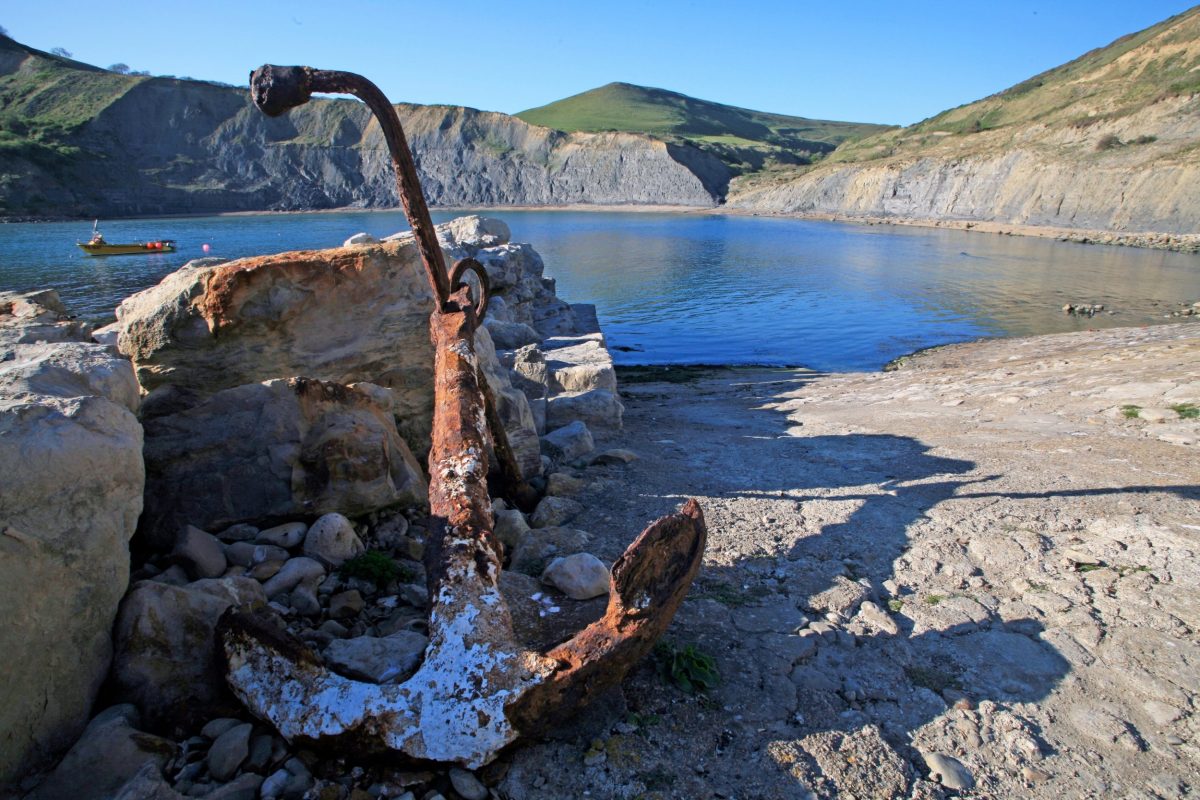
Lulworth Cove is just one of the many unforgettable places along Dorset’s spectacular Jurassic Coast. If you’re planning more coastal adventures, explore our local guides to Durdle Door, Tyneham Village, Worbarrow Bay, Kimmeridge Bay, Chapman’s Pool, Ringstead Bay and Portland. Each offers a different perspective on one of England’s most remarkable stretches of coastline and is well worth adding to your Dorset itinerary.
Frequently Asked Questions
Lulworth Cove lies on Dorset’s Jurassic Coast, approximately 30 minutes by car from both Weymouth and Dorchester, depending on traffic. It’s also within reach of Poole, making it a popular day trip for visitors staying elsewhere in the county. If you’re exploring Dorset from one of our Weymouth holiday cottages or Dorchester holiday cottages, Lulworth Cove is well worth adding to your itinerary. The cove itself lies within the Lulworth Estate and forms part of the UNESCO World Heritage-listed Jurassic Coast.
Yes, and not just for photography. The cove itself is remarkable, but the surrounding walks, Durdle Door, Lulworth Castle and Tyneham Village make it an area where you can easily spend a full day exploring.
Its near-perfect circular shape was formed by erosion over thousands of years, creating one of the UK’s most famous geological features. The contrast between the calm waters within the cove and the dramatic cliffs beyond makes it visually striking and geologically significant.
Lulworth Cove and the surrounding coastline have featured in several productions. Scenes from World War Z (starring Brad Pitt) were shot along this stretch of coast. Nearby Durdle Door also appeared in Nanny McPhee and in music videos, including Cliff Richard’s “Saviour’s Day” and Tears for Fears’ “Shout.”
Read more about famous filming locations in Dorset.
Absolutely. Built in the 1600s as a hunting lodge, the castle was restored after a major fire and now welcomes visitors. The grounds are spacious and dog-friendly, and they often host seasonal family events.
Yes. Guided kayak tours depart directly from the cove and offer a brilliant way to see the coastline from the water, including views of Stair Hole and Durdle Door.
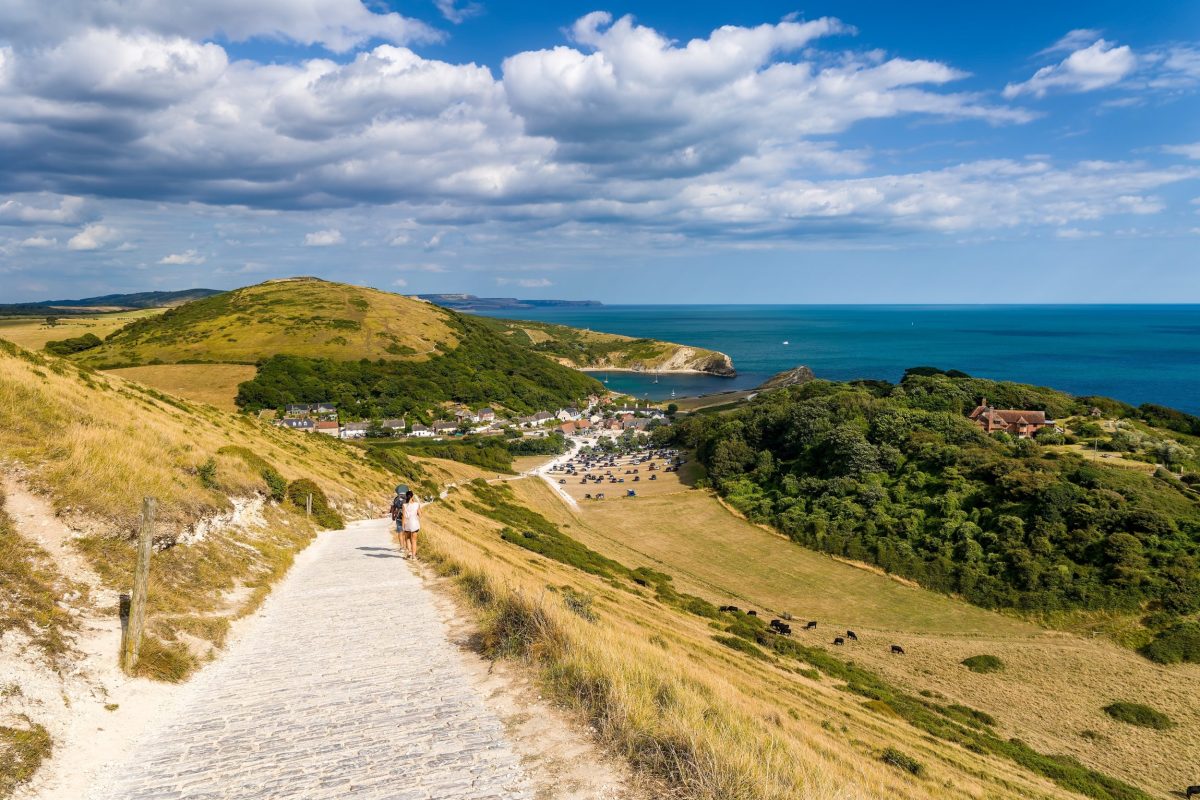
The South West Coast Path runs directly through the area. Popular routes include Lulworth Cove to Durdle Door, and inland to Tyneham Village and Worbarrow Bay. Some sections are steep but the views are worth it.
Yes. Dogs are welcome throughout the year at Lulworth Cove and on the surrounding South West Coast Path. It’s one of our favourite places to explore with Smarty, particularly outside the busiest summer periods when the coastline feels wonderfully peaceful. If you’re planning a holiday with your four-legged companion, many guests choose to stay in one of our dog-friendly cottages so they can enjoy Lulworth Cove and many of Dorset’s best coastal walks together.
Although you can see Lulworth Cove in a couple of hours, we’d always recommend allowing a full day if you can. That gives you time to walk to Durdle Door, visit Lulworth Castle, or enjoy lunch overlooking the sea and. And if you’re feeling energetic, continue on to Tyneham Village or Worbarrow Bay. There’s so much more here than simply taking a photograph of the cove.
Absolutely. Children love exploring the beach, hunting for fossils and shells, paddling in the clear water and watching kayaks launch from the shore. If your family enjoys a walk, don’t miss the nearby Fossil Forest, where 145-million-year-old fossilised tree remains can still be seen along the Jurassic Coast. Lulworth Castle also hosts family-friendly seasonal events throughout the year, while cafés, ice cream and open spaces make it easy to spend an enjoyable day together. Many families staying in our family-friendly holiday cottages tell us Lulworth Cove is one of the highlights of their Dorset holiday.
Yes, many people enjoy swimming at Lulworth Cove, particularly during the summer when the sheltered bay is often calm. As with any natural beach, conditions can change, so it’s always important to take care, supervise children closely and check local safety advice before entering the water. The clear water makes it one of Dorset’s most inviting places for a swim.
Lulworth Cove is perfectly placed for exploring some of Dorset’s best-loved attractions. Within a short drive or walk you’ll find Durdle Door, Tyneham Village, Worbarrow Bay and the historic village of Corfe Castle. Families often combine a visit with Monkey World or The Tank Museum, while those exploring further afield can enjoy The Blue Pool or spend time in Weymouth. It’s one of the reasons we think this part of Dorset offers so much for every type of visitor.
Lulworth Cove is accessible for many visitors, although it’s worth remembering that some of the surrounding coastal paths are steep and uneven. The route down to the beach from the main visitor car park is generally manageable, but walks towards Durdle Door involve a significant climb and may not be suitable for everyone with limited mobility. If accessibility is important when planning your holiday, our collection of accessible holiday cottages provides a comfortable base for exploring Dorset at your own pace.
If you’re planning to spend a few days exploring Lulworth Cove, Durdle Door and the surrounding coastline, we’d recommend staying in one of the nearby villages. Winfrith Newburgh is a particularly lovely choice, just a short drive from Lulworth Cove, with a traditional village setting and easy access to the Jurassic Coast.
It’s also where you’ll find our beautifully furnished, dog-friendly cottage, which we’ve handpicked for its wonderful interiors and character. You can discover more on our Lulworth holiday cottages page.
\
For those who’d prefer a little more to enjoy at their accommodation, our Silverlake Estate Collection is another excellent option. Approximately 20–30 minutes from Lulworth Cove by car, depending on traffic, it offers beautiful lakeside holiday homes, woodland walks, a heated outdoor swimming pool, spa and plenty of activities.
Both are lovely bases for discovering this part of Dorset, depending on the kind of holiday you’re planning.


Curated experiences
Making Your Dorset Stay Extraordinarily Special
Through our concierge service, we offer a carefully curated selection of experiences in Dorset. Each is chosen for its quality, exclusivity, and personalised touch, providing you with access to something more intimate and unforgettable.