
Beaches Close to Wareham
Discover Sandy Beaches, Hidden Coves and the Jurassic Coast Near Wareham
Although Wareham sits beside the peaceful River Frome rather than the sea, some of Dorset’s most spectacular beaches are only a short drive away. Whether you’re looking for long sandy beaches, hidden coves, fossil hunting along the Jurassic Coast or quiet shoreline walks, Wareham is perfectly placed for exploring the county’s remarkable coastline.
We’ve spent countless family days discovering the beaches around Wareham over the years. From swimming at Studland, searching for fossils at Kimmeridge Bay, walking along the shore at Shipstal Beach or exploring the iconic scenery of Lulworth Cove, there’s always somewhere different to visit.
Beaches to Explore

Frequently Asked Questions
One of the great advantages of Wareham is how close it is to Dorset’s coastline. Shipstal Beach at RSPB Arne is just a few minutes away, while the sandy beaches of Studland and the fossil-rich shoreline at Kimmeridge Bay can all be reached in around 20 to 30 minutes by car. It makes Wareham an excellent base for exploring a different part of the coast each day.
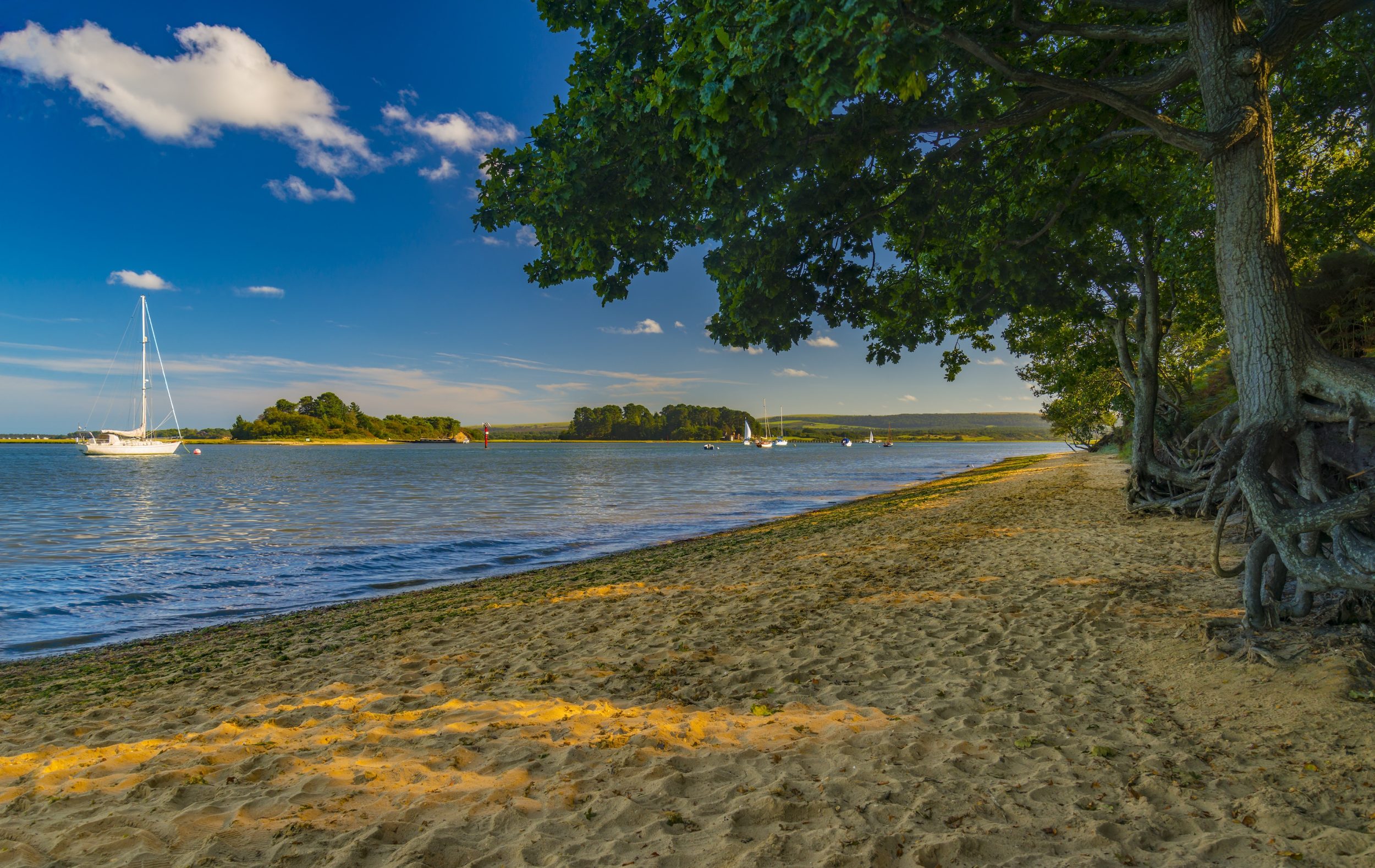
The closest beach is Shipstal Beach at RSPB Arne, a peaceful shoreline overlooking Poole Harbour that’s perfect for walking and wildlife watching. If you’re looking for a traditional sandy beach with swimming and family-friendly facilities, Studland Beach is only a short drive away.
or soft sand and safe swimming, we’d always recommend Studland Beach. Its long sandy shoreline, shallow water and nearby Shell Bay make it one of Dorset’s finest family beaches. Whether you’re planning a full beach day or simply an afternoon by the sea, it’s well worth the short drive from Wareham.
Yes. Studland Beach is our first choice for families thanks to its soft sand and gently shelving shoreline. Weymouth Beach is another excellent option, offering traditional seaside attractions, while Kimmeridge Bay is perfect for children who enjoy exploring rock pools and searching for fossils along the Jurassic Coast. If you’re planning a family beach holiday, our collection of family-friendly holiday cottages provides the perfect base for exploring Dorset’s coastline.
That really depends on what you’re looking for. If you’re visiting with young children, we’d head to Studland Beach for its soft sand, shallow water and excellent family-friendly facilities. For fossil hunting, Kimmeridge Bay remains one of our family favourites, while Shipstal Beach offers peaceful shoreline walks and wonderful wildlife. If dramatic Jurassic Coast scenery is what you’re after, few places can match Lulworth Cove and nearby Durdle Door.
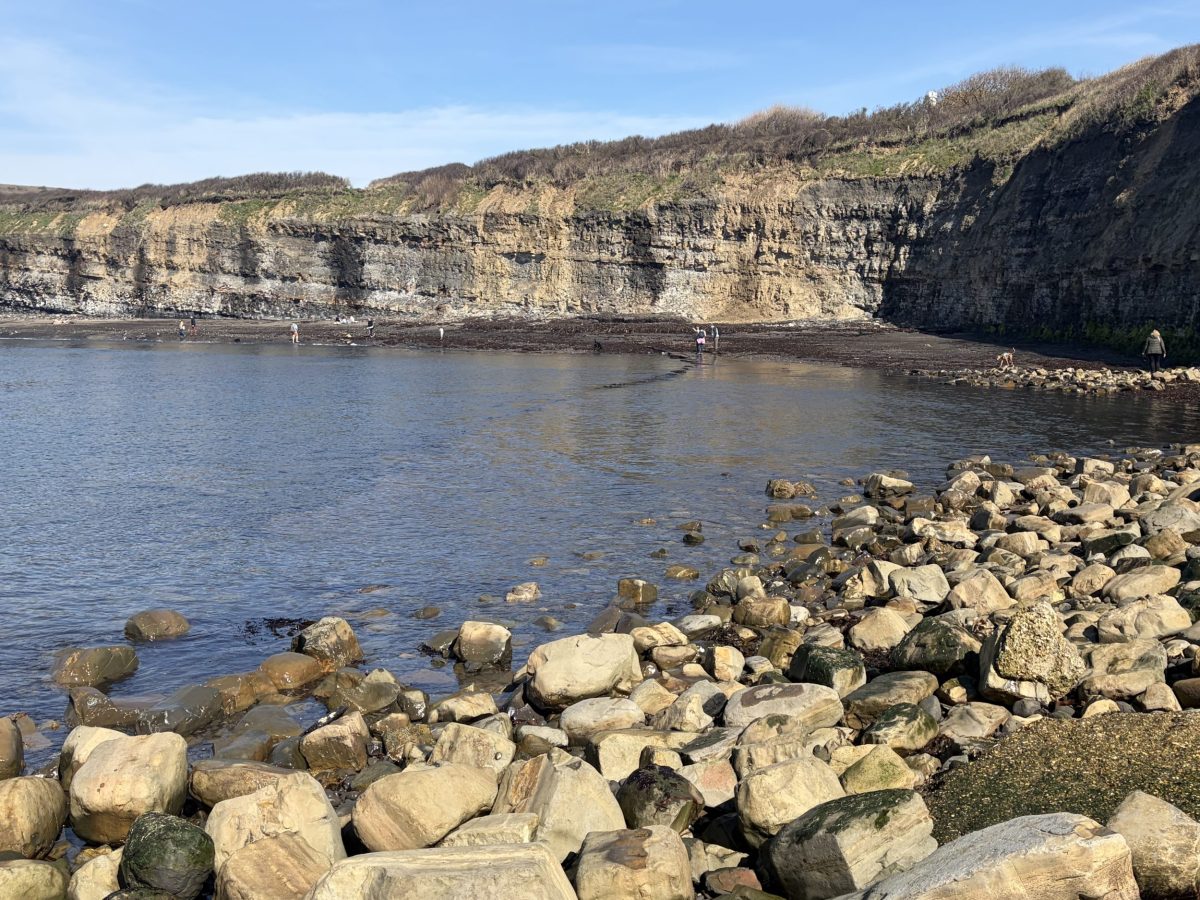
Absolutely. Kimmeridge Bay is one of Dorset’s best places to discover fossils and explore fascinating rock pools along the Jurassic Coast. To learn more about the area’s prehistoric past, we also recommend visiting The Etches Collection in nearby Kimmeridge and the remarkable dinosaur footprints at Keates Quarry, both featured in our guide to Family Days Out on Dorset’s Jurassic Coast.
Yes. Shipstal Beach is a wonderful choice for peaceful walks with your dog, while Studland Beach welcomes dogs for much of the year, although seasonal restrictions apply between 1 May and 30 September in some areas. If you’re planning a coastal break with your four-legged companion, our collection of dog-friendly holiday cottages provides the perfect base for exploring Dorset’s beaches.
Yes. Studland Beach offers some of Dorset’s best conditions for swimming thanks to its gently shelving shoreline and generally calm waters. Lulworth Cove is another popular swimming spot, while Kimmeridge Bay is better suited to confident swimmers and snorkellers when sea conditions are calm. As always, check local conditions before entering the wate
If you’re looking for holiday cottages in Dorset close to Wareham, our Silverlake Estate Collection is ideally placed for exploring Studland, Lulworth Cove, Kimmeridge Bay, Shipstal Beach and the wider Jurassic Coast. It’s an excellent base for discovering a different stretch of Dorset coastline each day before returning to peaceful lakeside surroundings in the evening.