
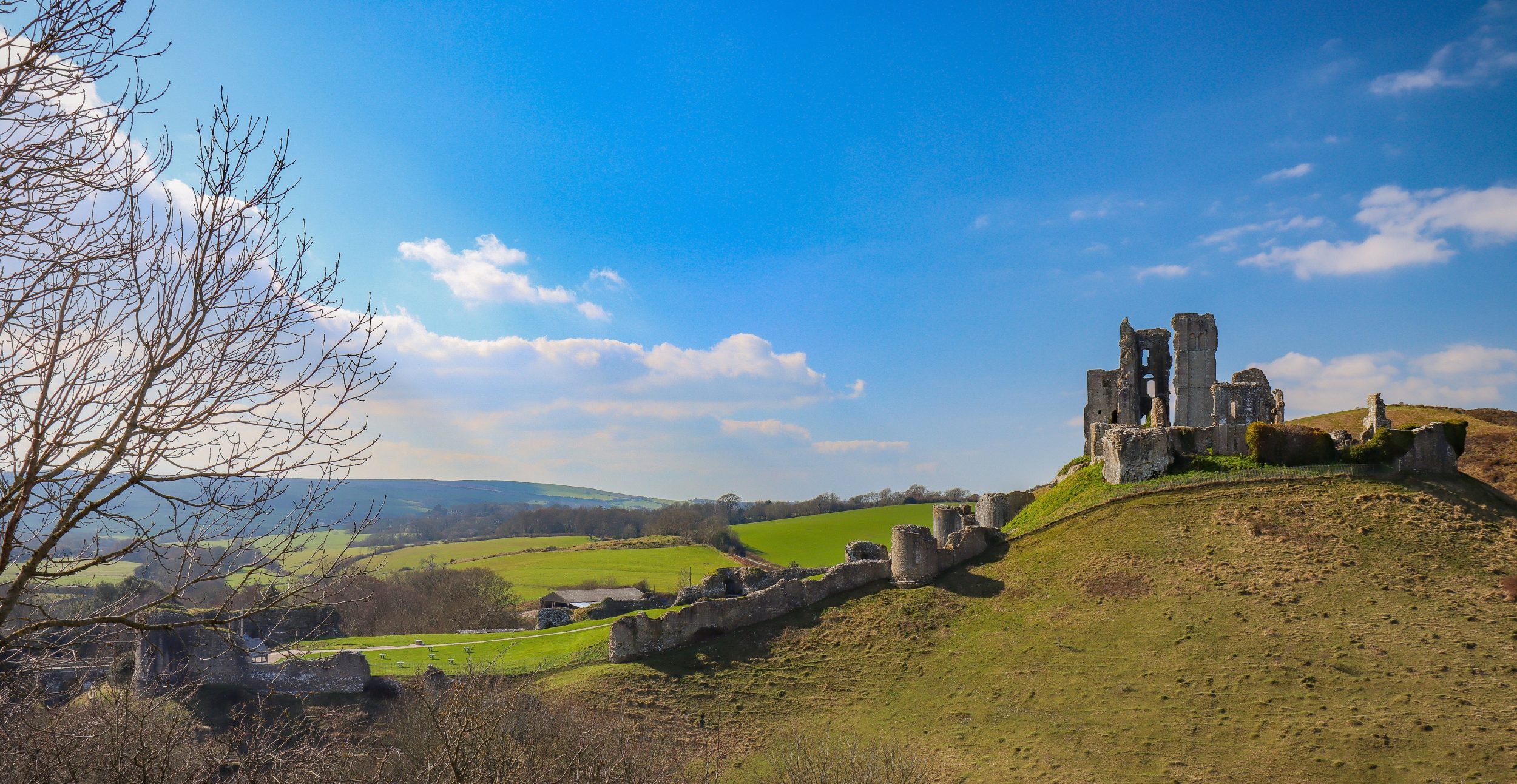
Explore Corfe Castle’s History & Heritage

Home » Explore Dorset » Corfe Castle » Corfe Castle Heritage and History

Discover the Story Behind Dorset’s Famous Castle Village

If you’re exploring Dorset, the history of Corfe Castle is impossible to miss. Rising dramatically above the village, the ruined fortress has been part of the Purbeck landscape for nearly a thousand years and remains one of the most recognisable historic sites on the Jurassic Coast.

Explore Corfe Castle Heritage & History

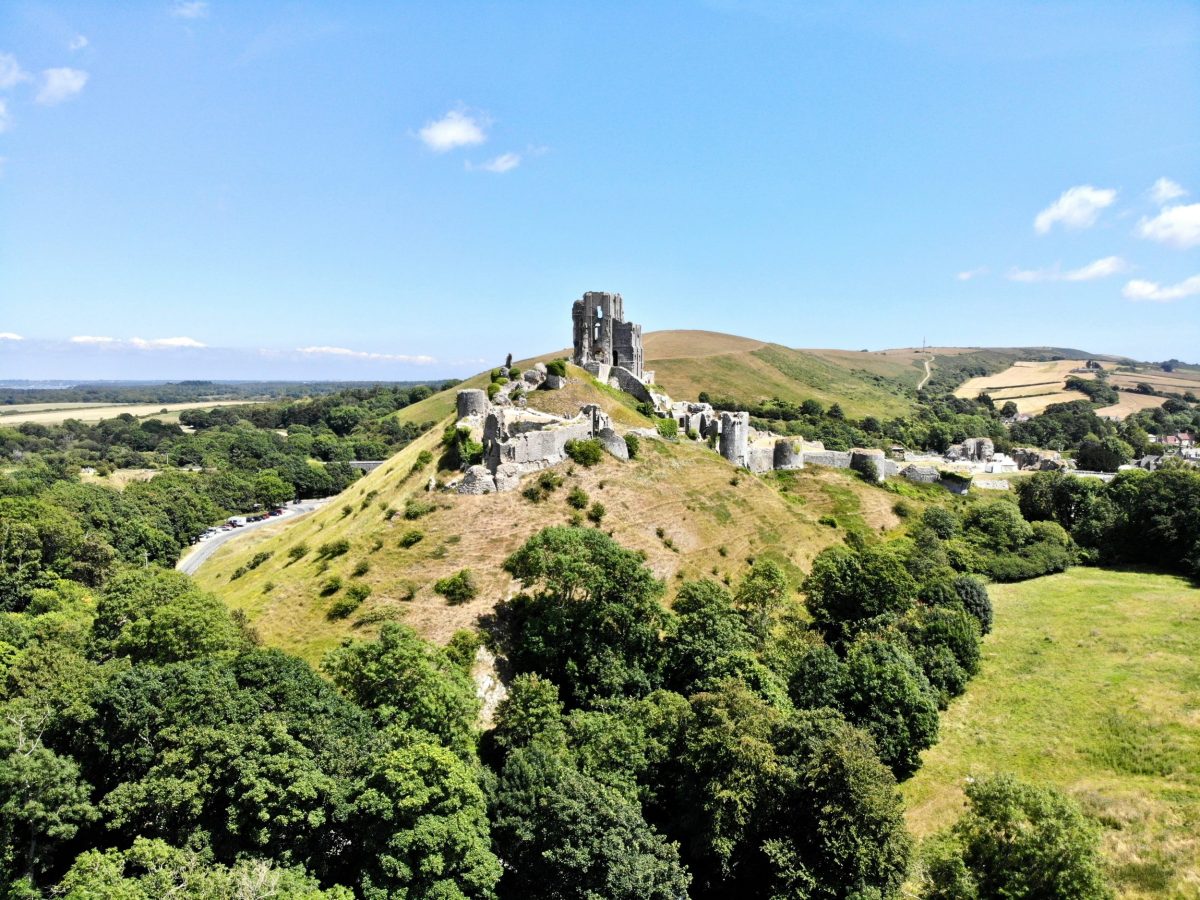
Corfe Castle

1000-year-old royal castle shaped by warfare, with ruins to explore, views and a wildlife walk.

Purbeck Mineral & Mining Museum

Museum celebrating Purbeck’s clay mining and industrial past.

Corfe Castle in Dorset dates back to the 11th century and was built shortly after the Norman Conquest by William the Conqueror. For centuries, it was a royal stronghold and later a key defensive fortress during the English Civil War. Today, the dramatic ruins tell the story of what happened to Corfe Castle, a powerful reminder of the conflict that once shaped this quiet Dorset village.

Whether you’re interested in medieval history or simply wondering where Corfe Castle is and why it’s so famous, it’s a place that captures Dorset’s heritage perfectly. We always recommend taking time to wander through the village before climbing up to the castle ruins. The views across Purbeck from the top are incredible, especially on a clear day.

Frequently Asked Questions

Where is Corfe Castle?

Corfe Castle is situated on the Isle of Purbeck in Dorset, between Wareham and Swanage, roughly 25 minutes from Weymouth.

How old is Corfe Castle?

Corfe Castle was built in the 11th century shortly after the Norman Conquest, making it over 900 years old.

What happened to Corfe Castle?

The castle was partially destroyed in 1646 during the English Civil War after it was captured by Parliamentarian forces.

Is Corfe Castle part of the National Trust?

Yes. Corfe Castle is owned and maintained by the National Trust and is open to visitors throughout the year.

Is Corfe Castle dog-friendly?

Dogs are welcome in the village and on the surrounding walks. Dogs are permitted in parts of the castle grounds but must be kept on leads.

Search Properties Close Search
This website uses cookies
This site uses cookies to enhance your browsing experience. We use necessary cookies to make sure that our website works. We’d also like to set analytics cookies that help us make improvements by measuring how you use the site. By clicking “Allow All”, you agree to the storing of cookies on your device to enhance site navigation, analyse site usage, and assist in our marketing efforts.
These cookies are required for basic functionalities such as accessing secure areas of the website, remembering previous actions and facilitating the proper display of the website. Necessary cookies are often exempt from requiring user consent as they do not collect personal data and are crucial for the website to perform its core functions.
A “preferences” cookie is used to remember user preferences and settings on a website. These cookies enhance the user experience by allowing the website to remember choices such as language preferences, font size, layout customization, and other similar settings. Preference cookies are not strictly necessary for the basic functioning of the website but contribute to a more personalised and convenient browsing experience for users.
A “statistics” cookie typically refers to cookies that are used to collect anonymous data about how visitors interact with a website. These cookies help website owners understand how users navigate their site, which pages are most frequently visited, how long users spend on each page, and similar metrics. The data collected by statistics cookies is aggregated and anonymized, meaning it does not contain personally identifiable information (PII).
Marketing cookies are used to track user behaviour across websites, allowing advertisers to deliver targeted advertisements based on the user’s interests and preferences. These cookies collect data such as browsing history and interactions with ads to create user profiles. While essential for effective online advertising, obtaining user consent is crucial to comply with privacy regulations.