
Beaches in Portland, Dorset
Discover Portland’s Wild and Beautiful Coastline
Portland’s coastline is unlike anywhere else in Dorset. Instead of long sandy beaches, you’ll discover sheltered coves, dramatic cliffs, crystal-clear water and one of the most spectacular stretches of the Jurassic Coast. Whether you’re enjoying a day trip from one of our Dorset holiday cottages or planning a longer stay exploring the county, Portland’s beaches reward those prepared to venture a little further.
We’ve spent countless days discovering this coastline over the years. Some visits have been spent swimming at Church Ope Cove, others watching the waves crash into Chesil Cove or simply walking the cliffs around Portland Bill. Every beach feels different, and that’s one of the reasons we keep returning.
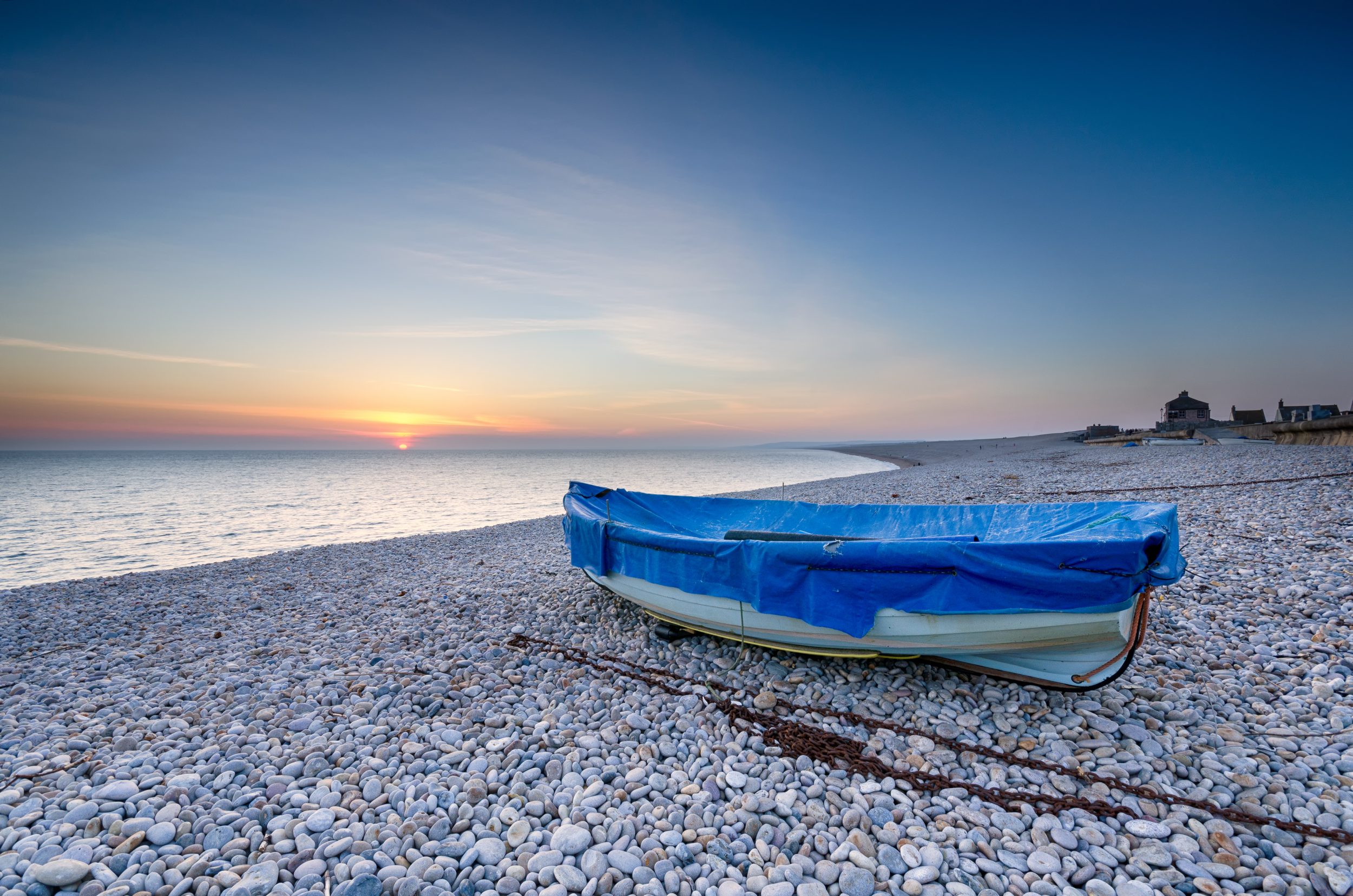
Church Ope Cove is probably our favourite beach on the island. Hidden beneath the ruins of Rufus Castle, it feels wonderfully secluded despite being just a short walk from the village. Chesil Cove, meanwhile, offers a completely different experience, where the vast sweep of Chesil Beach meets Portland’s rugged coastline. On calmer days it’s fascinating to watch paddleboarders and small boats heading out into Weymouth and Portland Harbour, while winter storms transform the cove into one of Dorset’s most dramatic viewpoints.

Beaches to Explore

Why We Love Portland’s Beaches
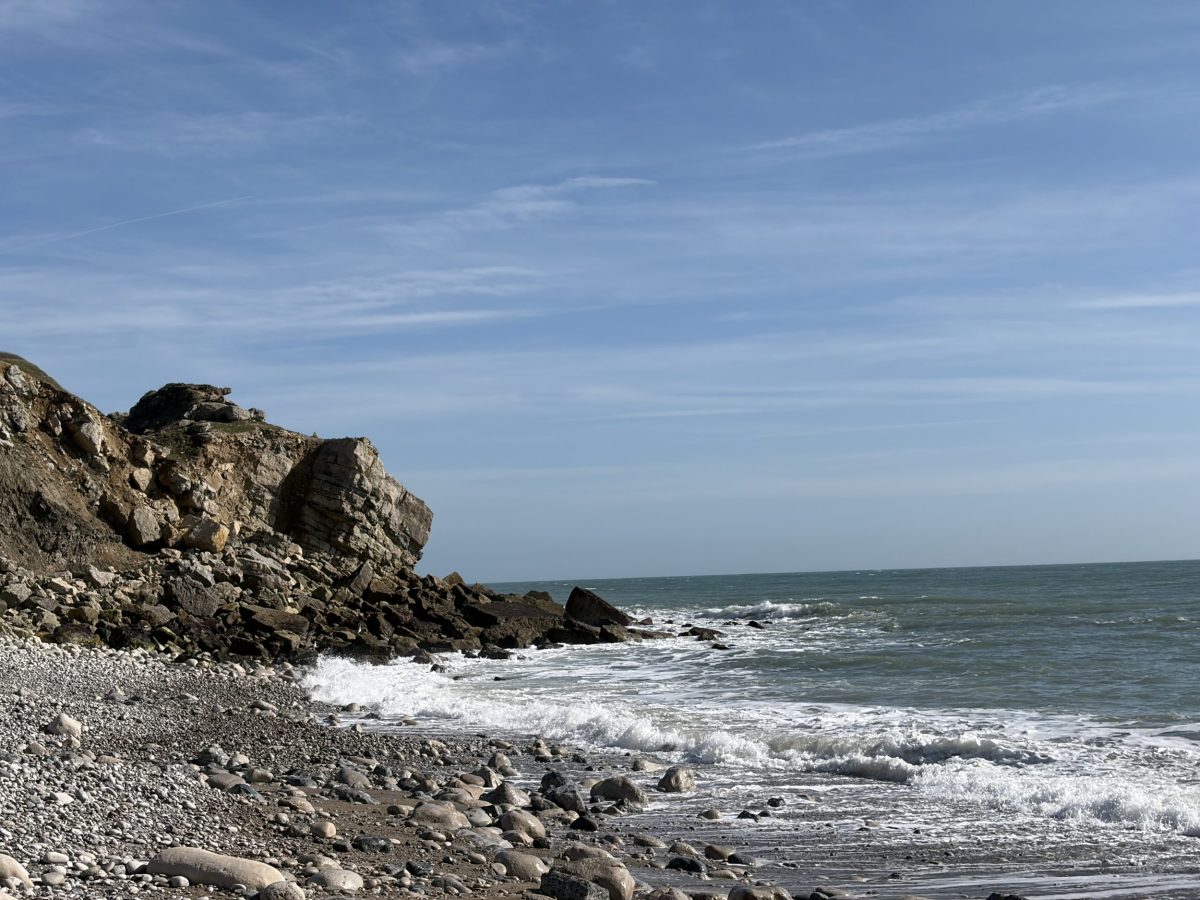
One of the things we love most about Portland’s beaches is how different they feel from much of the Dorset coastline. You’re never far from dramatic cliffs, fascinating history or incredible sea views. We’ve explored Church Ope Cove in every season, watched winter storms from Chesil Cove and ended countless walks with a quiet moment looking out across Lyme Bay. They may not be traditional sandy beaches, but they are some of the most memorable anywhere on the Jurassic Coast.
If you’re planning to spend a few days exploring Portland as well as nearby Weymouth, many of our guests choose one of our Weymouth holiday cottages. They’re just a short drive from the island, making it easy to enjoy Portland’s dramatic coastline before returning to Weymouth’s sandy beach, harbour and restaurants later in the day.
After exploring Portland’s beaches, if you’re looking for more beaches nearby, don’t miss our guide to Weymouth’s beaches, where you’ll find family-friendly sands, hidden coves and some of our favourite coastal walks.
Capture Portland’s Coast at Its Best
Church Ope Cove is particularly beautiful in the early morning, when the sunlight reaches the beach beneath the ruins of Rufus Castle. Chesil Cove is spectacular at sunset, while winter storms around Portland Bill create some of the most dramatic coastal photography anywhere on Dorset’s Jurassic Coast. If you’re photographing the coastline, always keep a safe distance from cliff edges and rough seas, especially during stormy weather.
Frequently Asked Questions
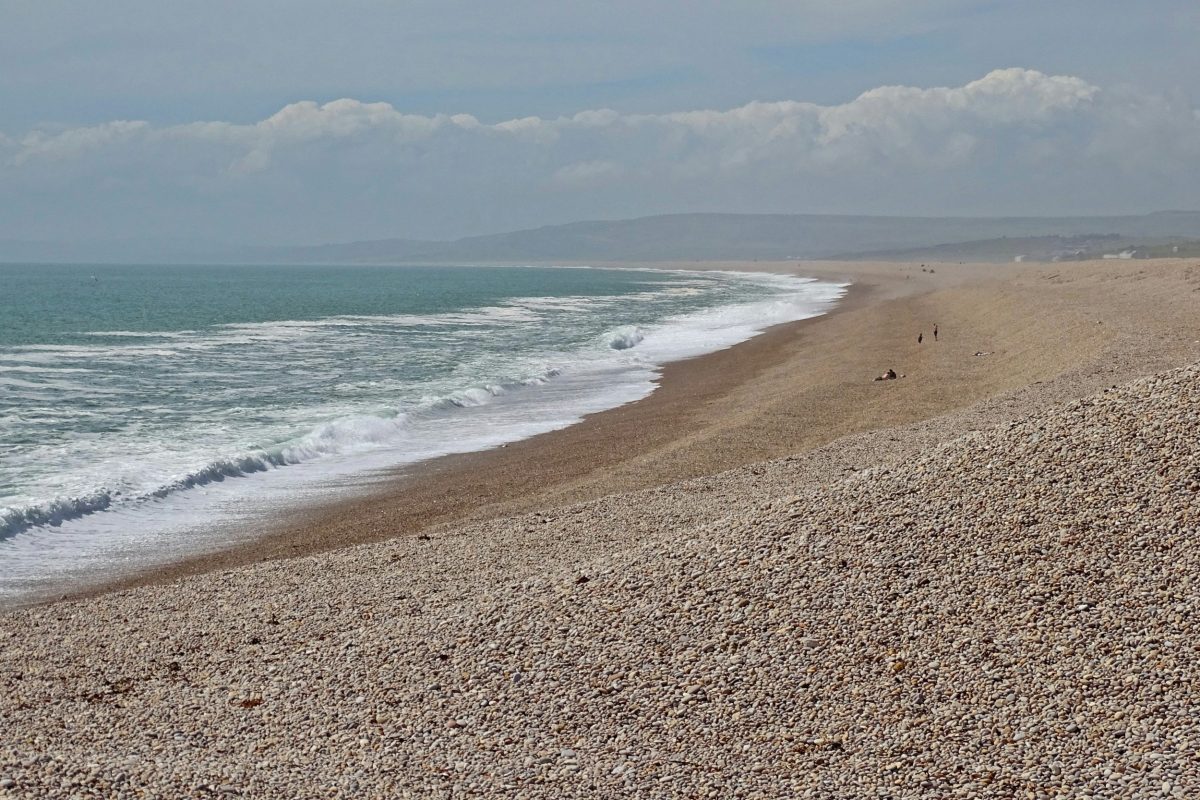
Yes. Portland has several beaches and secluded coves, although most are pebble or shingle rather than sandy. Church Ope Cove is one of the island’s most picturesque beaches, tucked beneath the ruins of Rufus Castle, while Chesil Covemarks the point where the world-famous Chesil Beach meets Portland’s dramatic coastline. Together they offer some of the most distinctive coastal scenery anywhere on Dorset’s Jurassic Coast.
There isn’t a traditional beach at Portland Bill itself. Instead, you’ll find a rugged rocky coastline, fascinating rock pools and spectacular viewpoints overlooking the sea. It’s one of our favourite places in Dorset for photography, particularly at sunrise, sunset and during winter storms, when waves crash dramatically against the rocks below the lighthouse.
Most beaches on Portland are pebbly or shingle rather than sandy. If you’re looking for soft sand and easier access, nearby Weymouth Beach, Castle Cove and Sandsfoot Beach are all excellent alternatives. Our guide to Weymouth’s beaches explores these and several other favourites along this stretch of the Dorset coast.
For us, Church Ope Cove is the island’s standout beach, thanks to its peaceful setting beneath Rufus Castle and clear water that’s perfect for swimming on calm days. Chesil Cove offers a completely different experience, with sweeping views across Lyme Bay and Portland Harbour, making it one of the best places on the island to enjoy dramatic coastal scenery.
Yes, although conditions vary depending on the weather and sea state. Church Ope Cove is a popular place for swimming when the sea is calm, while Chesil Cove can experience stronger waves and currents. None of Portland’s beaches have lifeguards, so it’s important to check conditions and take care before entering the water.
That depends on what you’re looking for. Church Ope Cove is our favourite for swimming, photography and its peaceful setting, while Chesil Cove is ideal if you enjoy dramatic coastal views, walking or simply watching the sea. Families looking for large sandy beaches often combine a visit to Portland with nearby Weymouth Beach, giving the best of both worlds.
Yes. Many of Portland’s beaches and coastal paths are popular with dog walkers throughout the year. Church Ope Cove, Chesil Cove and long stretches of the South West Coast Path provide wonderful places to explore with your four-legged companion. If you’re planning a coastal escape, our collection of dog-friendly holiday cottages makes an excellent base for discovering Portland and the wider Jurassic Coast.
Absolutely. While Portland is known for its rugged coastline and pebble beaches, Weymouth Beach, Castle Cove and Sandsfoot Beach are all just a short drive away and offer softer sand with easier access. They’re particularly popular with families, and you can discover even more in our guide to Weymouth’s beaches.
Definitely. Hidden beneath the ruins of Rufus Castle, Church Ope Cove is one of Dorset’s most beautiful hidden beaches. Once associated with smugglers and local legends, today it’s loved for its peaceful atmosphere, crystal-clear water and spectacular coastal scenery. We always recommend taking your camera, as the views beneath the castle ruins are some of the most photogenic anywhere on Portland.
Chesil Cove is famous for marking the southern end of Chesil Beach, one of Britain’s most remarkable natural landmarks and part of the UNESCO Jurassic Coast. It’s popular with anglers, photographers and storm watchers, while calmer days offer wonderful views across Lyme Bay and Portland Harbour. It’s one of those places that looks completely different every time you visit.
If you’re planning to discover Portland as well as nearby Weymouth, many of our guests choose one of our Weymouth holiday cottages. Just a short drive from the island, they provide an excellent base for exploring Portland’s beaches before returning to enjoy Weymouth’s sandy shoreline, harbour restaurants and seafront in the evening.