
Weymouth: Where History Meets the Sea
Explore Weymouth’s Maritime History, Castles and Coastal Defences
Weymouth’s history is woven through its harbour, historic forts and elegant Georgian seafront. Once the favourite seaside retreat of King George III and later one of Britain’s most important embarkation ports during the Second World War, the town has played a remarkable role in English history. Today you can explore Victorian sea defences, Tudor castles, centuries-old buildings and a harbour that has witnessed everything from royal holidays to preparations for the D-Day landings.
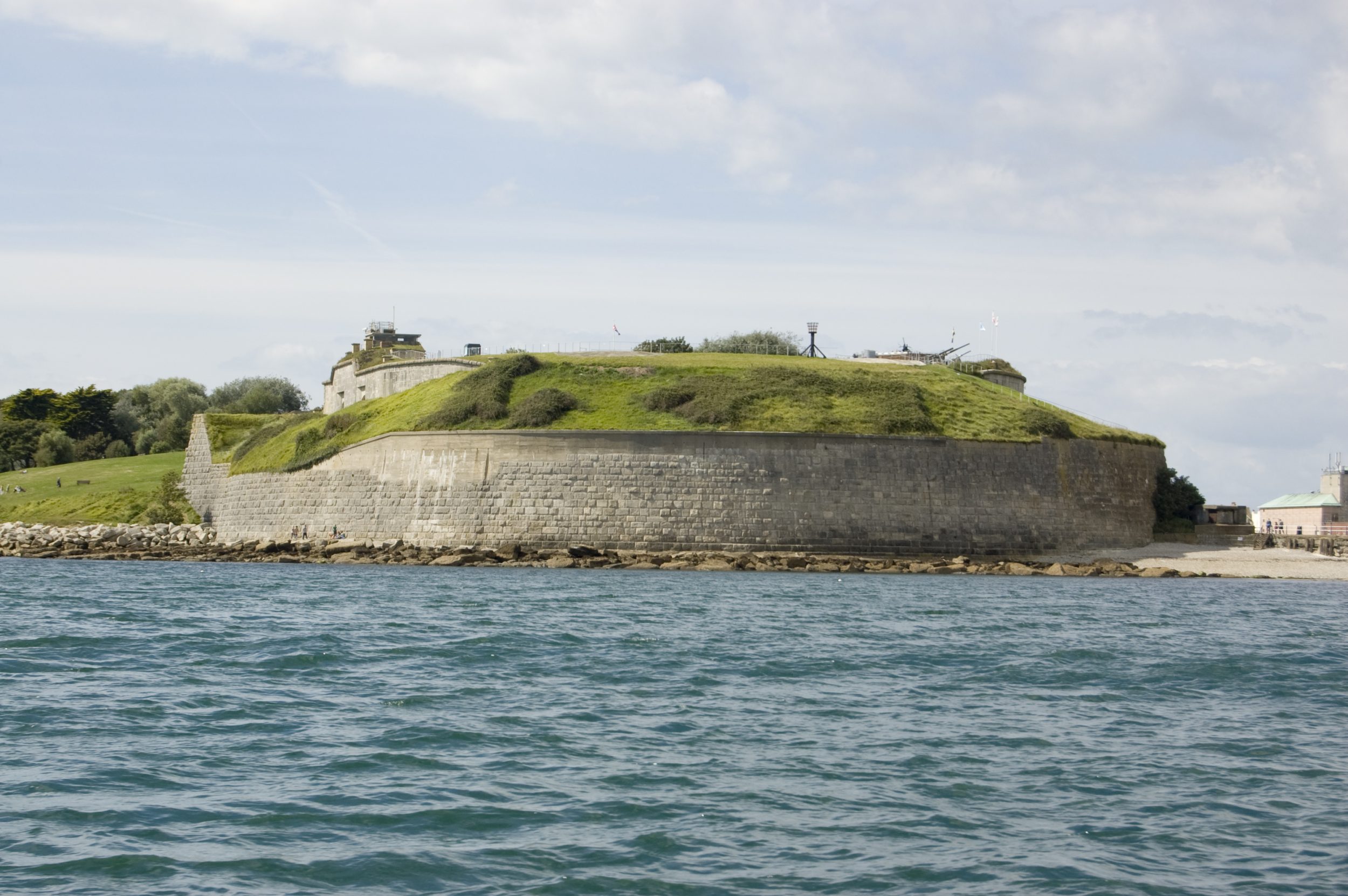
One place we never tire of visiting is Nothe Fort. Our children loved exploring the underground tunnels, climbing onto the ramparts and discovering the hidden lookout points overlooking Weymouth Bay. It’s one of those attractions that manages to be genuinely educational while still feeling like an adventure, whatever your age.
If you’re planning to spend a few days exploring Weymouth’s fascinating past, our collection of Weymouth holiday cottages provides an excellent base for discovering the town’s historic landmarks and the wider Jurassic Coast.

Explore Weymouth’s Heritage & History

Sandsfoot Castle
Henry VIII–era castle ruins perched above the coast, overlooking Portland and the bay.
From The Black Death and Royal Seaside to Wartime Harbour
Weymouth’s history goes much further back than its Georgian charm. In June 1348, Melcombe Regis, the northern part of the harbour, became the first recorded point of entry for the Black Death into England, when a sailor arriving from Gascony brought it ashore. A commemorative plaque near the Custom House marks this sombre milestone in history.
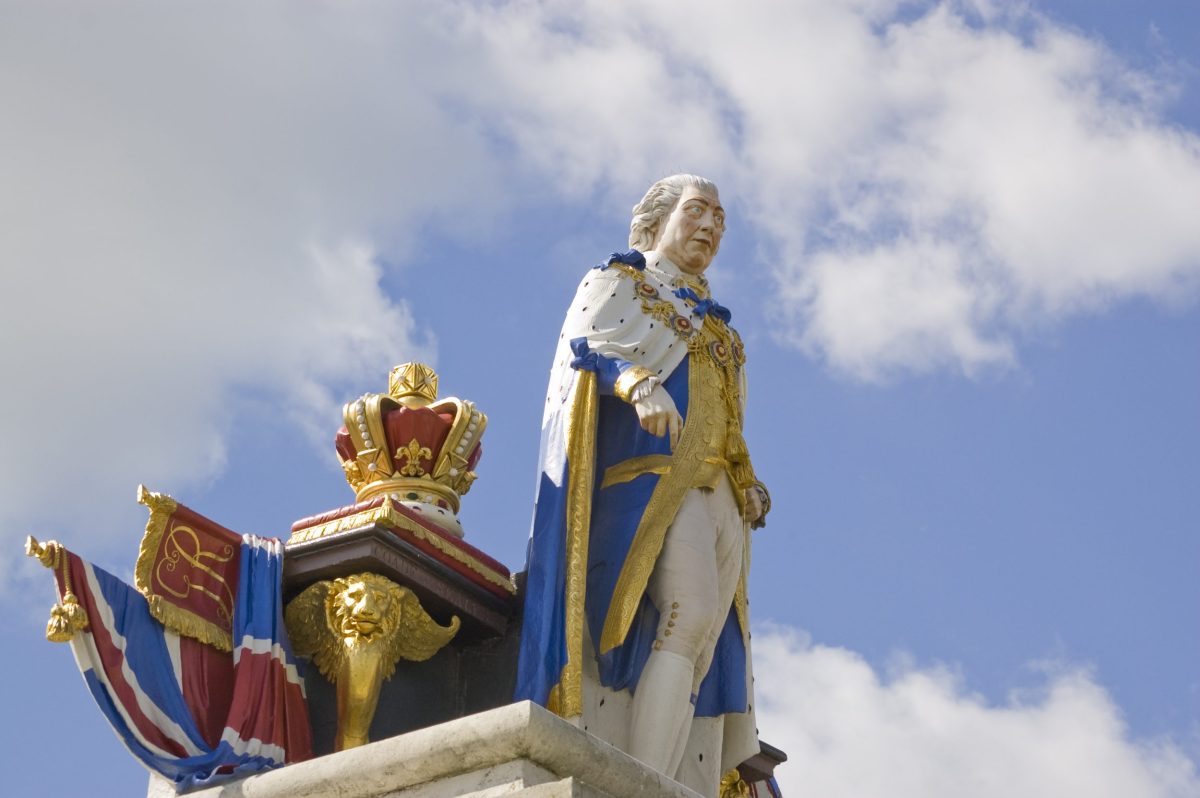
The town also gained prominence in the 18th century when King George III popularised sea bathing. The elegant Georgian terraces along the Esplanade still reflect that period, and today the striking statue of the king remains a key feature of the seafront.
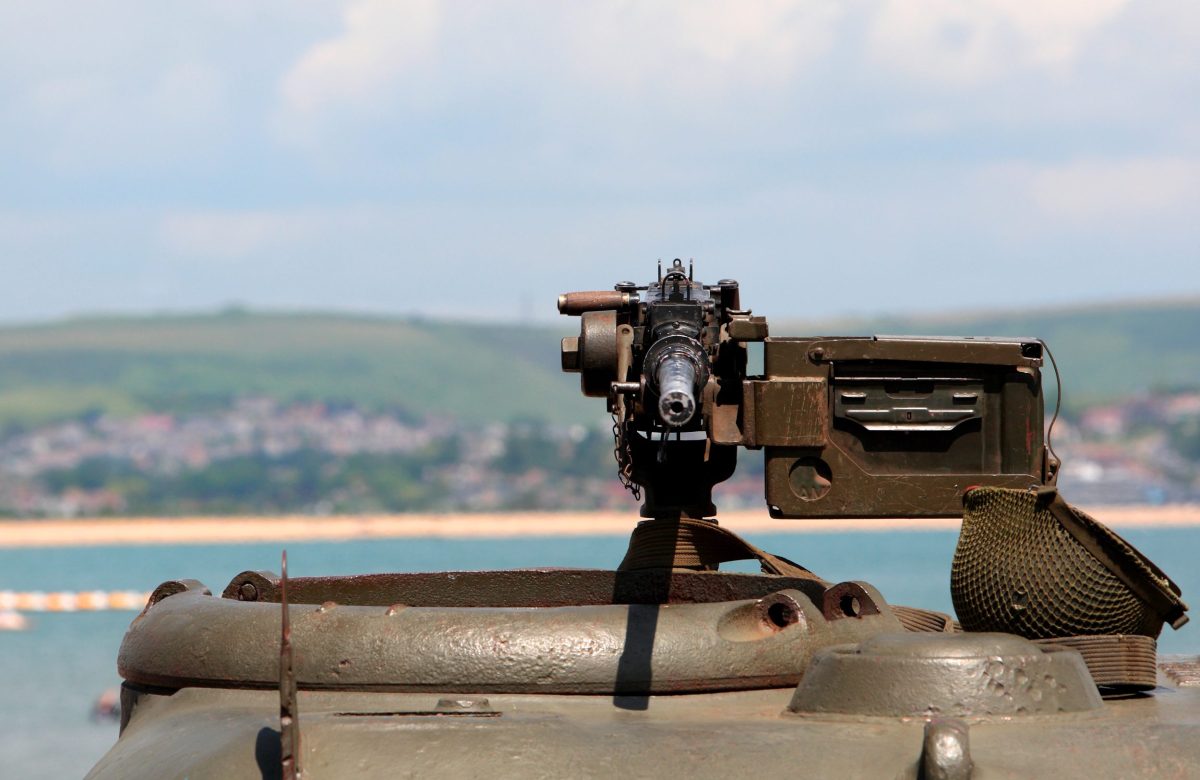
By the 1940s, Weymouth had assumed a very different role. The harbour became a strategic military centre, with thousands of Allied troops departing from here ahead of the D-Day landings. A memorial on the Esplanade honours the US soldiers who sailed from the town.
Just west of Weymouth, the coastline played a role in secret wartime innovation. In 1942, the first full-scale trials of Sir Barnes Wallis’s “bouncing bomb” occurred in the lagoon behind Chesil Bank. Wallis stayed at the Elm Tree in Langton Herring, a 17th-century pub worth visiting, where Churchill is said to have met him to discuss the progress of the trials.
Weymouth is only one chapter in Dorset’s remarkable story. Within easy reach you can explore nearby Portland, Corfe Castle, discover the abandoned village of Tyneham, visit the outstanding museums in Dorchester, or travel even further back in time at The Etches Collection and Keates Quarry, where dinosaurs once walked across what is now the Jurassic Coast.
Frequently Asked Questions
f you’re interested in history, Weymouth has plenty to discover. Start at Nothe Fort, where underground tunnels, Victorian gun emplacements and panoramic views across the bay bring the town’s military past to life. Explore Weymouth Harbour, once a bustling trading port and later an important departure point during the Second World War, before wandering along the Georgian Esplanade where King George III famously popularised sea bathing. Don’t miss the plaque marking the arrival of the Black Death in 1348, one of the most significant moments in England’s history.
Yes. Nothe Fort is one of Britain’s best-preserved Victorian coastal forts and is open to visitors throughout much of the year. Sandsfoot Castle, built by Henry VIII in the 16th century, stands on the western edge of Weymouth overlooking Portland Harbour. Although now a picturesque ruin, it’s a wonderful place to explore and enjoy spectacular coastal views.
Very much so. Weymouth Harbour played a vital role in the preparations for the D-Day landings, with thousands of Allied troops departing from the town before the invasion of Normandy. Nothe Fort helped defend the harbour throughout the war, while nearby Portland Harbour became one of Britain’s most important naval bases. Just along the coast, Sir Barnes Wallis carried out the famous bouncing bomb trials behind Chesil Bank, adding another remarkable chapter to Dorset’s wartime history.
Yes. The Tudor House Museum offers a fascinating glimpse into everyday life more than 400 years ago, while the Weymouth Heritage Centre hosts exhibitions celebrating the town’s maritime and military history. If you’d like to explore Dorset’s wider story, the outstanding museums in Dorchester are only a short drive away and include everything from Roman archaeology to the world’s largest Thomas Hardy collection.
Absolutely. Nothe Fort is always one of our favourite recommendations for families. Children love exploring the tunnels, climbing onto the ramparts and discovering the hidden lookout points overlooking the harbour. Combining a visit with a walk around Weymouth Harbour or along the coast to Sandsfoot Castle makes for a fascinating family day out. If you’re planning a coastal break, our collection of family-friendly holiday cottages provides an excellent base for exploring Weymouth’s history together.
Weymouth has played an important role in English history for centuries. In 1348, the Black Death first entered England through nearby Melcombe Regis, changing the course of the nation’s history. During the 18th century, King George IIItransformed Weymouth into Britain’s first fashionable seaside resort through his enthusiasm for sea bathing. More recently, Weymouth Harbour became one of the principal embarkation points for Allied troops before the D-Day landings, giving the town an enduring place in Britain’s wartime story.
Yes. King George III visited Weymouth regularly between 1789 and 1805 and helped make sea bathing fashionable across Britain. His visits transformed the town into one of the country’s leading seaside resorts, attracting wealthy visitors from across England. Today, his legacy can still be seen in the elegant Georgian Esplanade and the impressive statue overlooking the seafront.
Yes. Weymouth Harbour and Nothe Fort played important roles during the Second World War and remain fascinating places to explore today. Nearby memorials commemorate the Allied troops who departed for Normandy, while Portland and the Castletown D-Day Centre provide further insight into Dorset’s crucial contribution to the D-Day preparations.
Weymouth is an excellent base for discovering Dorset’s remarkable history. Explore the medieval ruins of Corfe Castle, visit the abandoned village of Tyneham, discover the outstanding museums in Dorchester, including the fascinating Shire Hall Museum, where the Tolpuddle Martyrs were tried, learn about Dorset’s prehistoric past at The Etches Collection, or explore Portland’s rich maritime and military heritage. Together they tell the story of Dorset across thousands of years. For even more inspiration, take a look at our guide to Extraordinary Places to Visit in Dorset, featuring some of the county’s most remarkable historic landmarks and hidden gems.
Looking for somewhere to stay while discovering Weymouth’s fascinating history? Our collection of Weymouth holiday cottages places you within easy reach of Nothe Fort, Sandsfoot Castle, the historic harbour and many of Dorset’s most important heritage attractions. It’s the perfect base for combining coastal walks, historic landmarks and days out exploring the wider Jurassic Coast.