
Visit Beaches Near Corfe Castle
Discover Sandy Bays, Hidden Coves and the Jurassic Coast
Although Corfe Castle is inland, some of Dorset’s most spectacular beaches are only a short drive away. Within 20 minutes you can discover dramatic Jurassic Coast coves, sweeping sandy beaches and peaceful hidden bays, making Corfe Castle an excellent base for exploring this beautiful stretch of coastline from one of our Dorset holiday cottages.
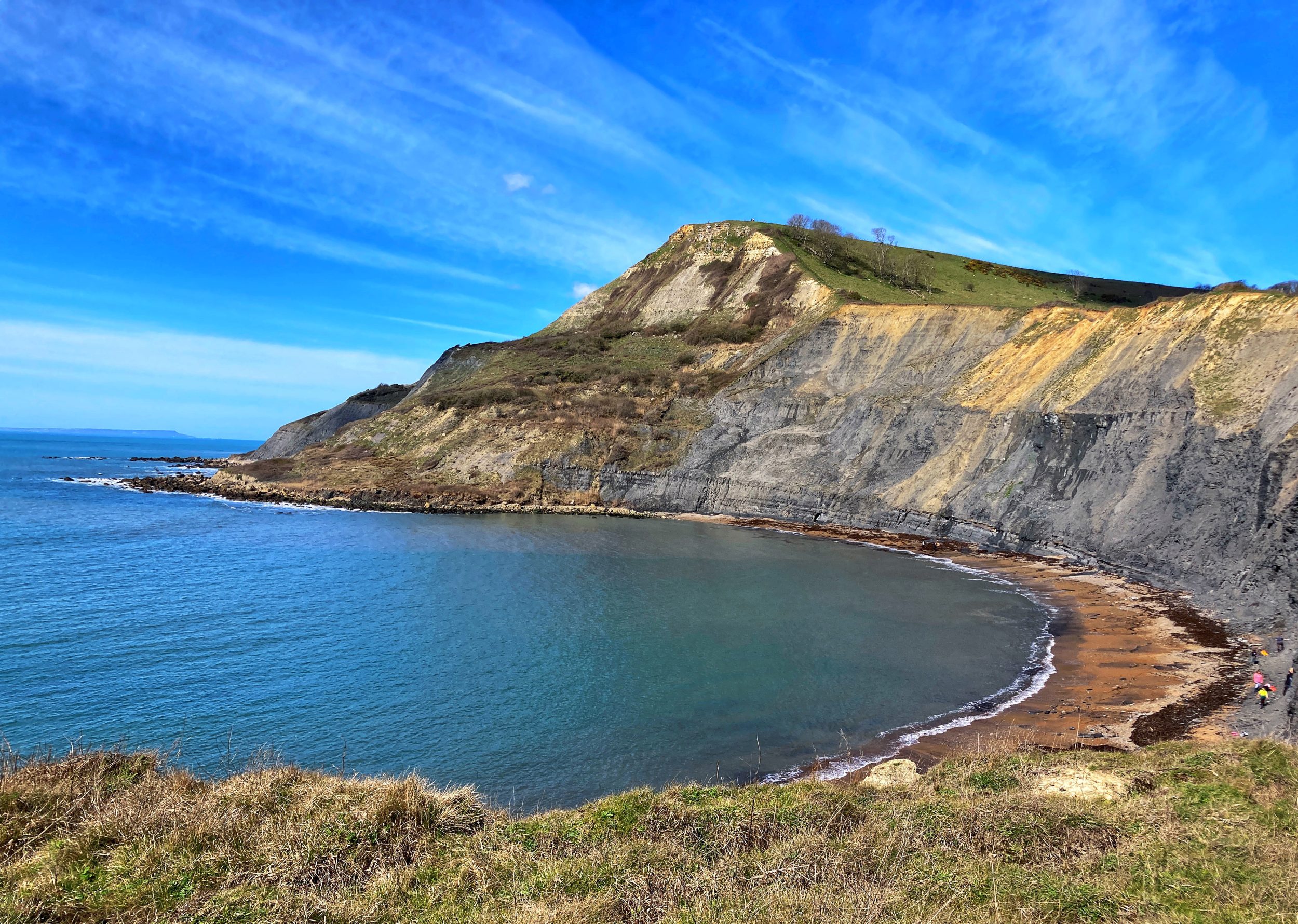
Chapman’s Pool is one of Dorset’s true hidden gems. Tucked beneath towering cliffs on the Purbeck coast, this peaceful cove rewards those prepared to make the walk with breathtaking scenery and a wonderfully unspoilt atmosphere. It’s one of our favourite recommendations for guests looking to discover a quieter side of Dorset away from the busier beaches.
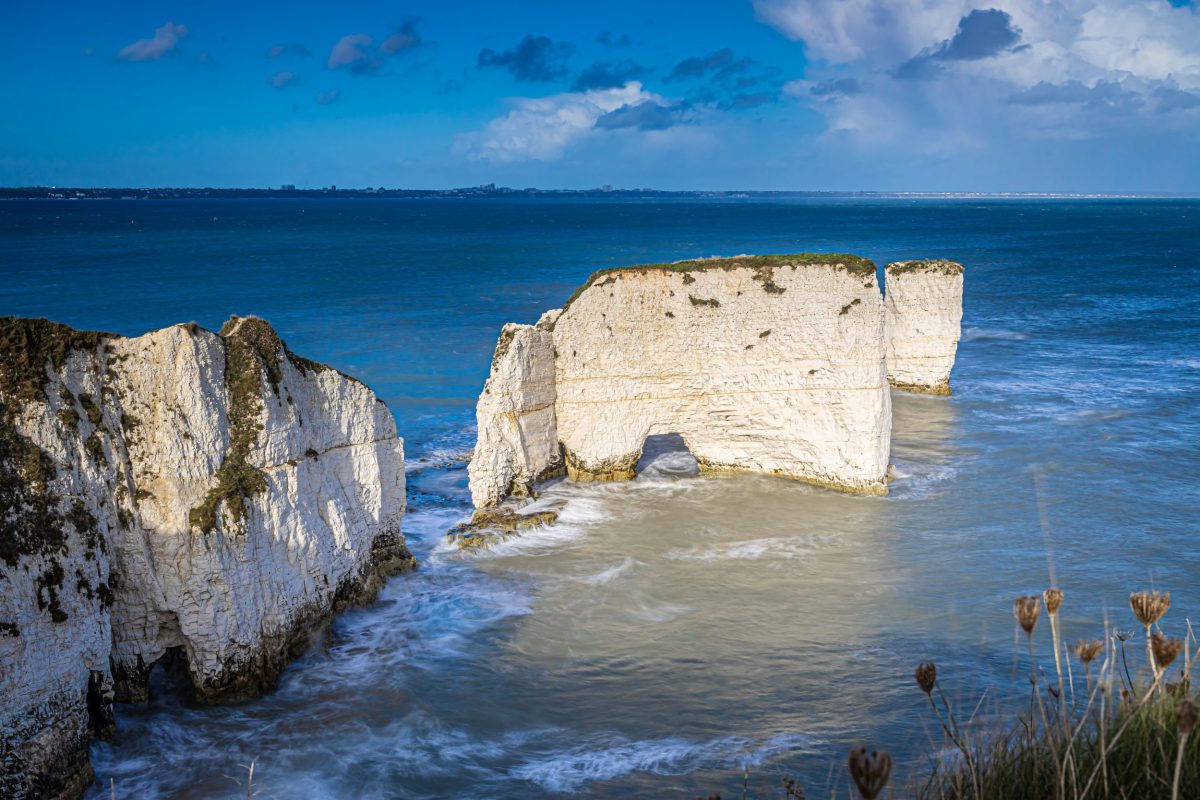
A little further along the coast, you’ll find the beautiful Studland beaches, one of Dorset’s finest stretches of coastline. With miles of soft sand, views towards Old Harry Rocks and excellent facilities, it’s perfect for families, couples and anyone looking to spend a relaxing day beside the sea. It’s also one of our favourite destinations for guests staying in our dog-friendly cottages in Dorset, thanks to the surrounding coastal walks and year-round scenery.
Many visitors combine Corfe Castle with a day exploring Dorset’s spectacular coastline, making this one of our favourite day trips for guests staying in our Silverlake Estate Collection or elsewhere in our collection of Dorset holiday cottages.
If you enjoy discovering quieter stretches of coastline, don’t miss our guide to Dorset’s hidden gems and unusual places to visit.
Beaches to Explore

Frequently Asked Questions
Most nearby beaches are approximately 15–20 minutes away by car.
Yes, Studland Bay is one of the closest sandy beaches to Corfe Castle. It’s one of our favourite beaches for guests staying in our dog-friendly cottages in Dorset.
There are countryside walking routes connecting Corfe Castle with the wider Purbeck area, although most visitors drive to the nearby beaches. There are several beautiful countryside walks linking Corfe Castle with the surrounding Purbeck landscape, although most visitors choose to drive to nearby beaches such as Studland, Kimmeridge Bay or Chapman’s Pool before continuing along the spectacular Jurassic Coast.
If we had to choose just one, it would be Studland beaches. Just a short drive from Corfe Castle, Studland offers miles of soft sand, beautiful views towards Old Harry Rocks and excellent facilities, making it one of Dorset’s finest beaches for families, couples and walkers alike.
Studland is also one of the county’s more accessible beaches, with good parking, cafés, toilets and easier access to the sand than many of Dorset’s smaller coves. Guests looking for accommodation with accessibility in mind may also like to browse our collection of accessible holiday cottages before exploring this beautiful part of Dorset.
Yes. One of our favourites is Shell Bay, at the northern end of Studland, where dogs are welcome all year round. It’s a fantastic place for long beach walks, paddling in the sea and enjoying spectacular views across Poole Harbour.
There are also seasonal dog-friendly areas along the wider Studland coastline, making it one of our favourite destinations for guests staying in our dog-friendly cottages in Dorset. If you’re holidaying with your four-legged companion, it’s well worth checking the seasonal restrictions before you visit.