

Discover Lulworth’s History and Heritage
Explore the History of Lulworth Cove, the Lulworth Estate, and Its Lost Villages
Lulworth is more than a pretty stretch of coastline. Behind the cliffs and footpaths lies a coastal village shaped by history and the Lulworth Estate, which still manages most of the area. At its heart stands Lulworth Castle, an early 17th-century hunting lodge turned stately home, set within extensive gardens.
We’ve visited Lulworth Castle many times over the years, and when our children were younger, the Easter trails and seasonal events became something of a family tradition. Watching them race around the grounds searching for clues while the castle towered above always made for one of our favourite spring days out.
Whether you’re visiting for the day, spending a few nights in one of our Lulworth holiday cottages, or exploring from elsewhere in our collection of Dorset holiday cottages, Lulworth is one of those places that reveals something new every time you visit.

Explore the Heritage & History of Lulworth

Closer to the coast, Lulworth Cove Village is lined with whitewashed cottages, traditional stone buildings and narrow lanes that still reflect its origins as a small fishing community. Although thousands of people now visit each year, it remains a working village where many of the historic cottages are still lived in today. Much of the surrounding land continues to be managed by the historic Lulworth Estate, which has shaped this remarkable stretch of coastline for centuries. Before heading down to the beach, we always recommend spending a little time in the Lulworth Visitor Centre. It offers a fascinating introduction to the cove’s geology, history and wildlife, helping you appreciate even more of what you’re about to see.
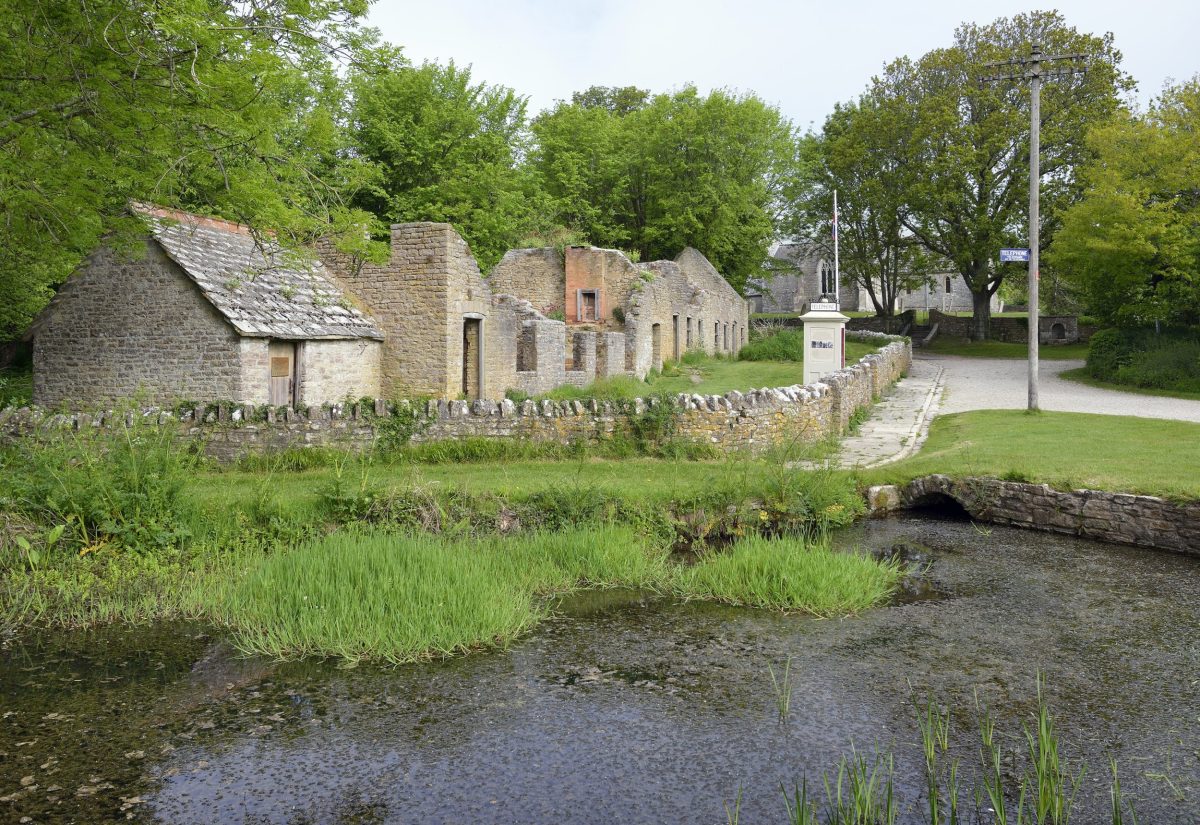
A must-see is the nearby Tyneham Village, another of our favourites. Known as the “ghost village,” Tyneham was commandeered by the Government during the Second World War for military training and operations, forcing all villagers to leave. They never returned, and today, preserved, it’s as if the village is still frozen in time. It’s a great place for a day visit, especially when combined with the walk from the village to the impressive Worbarrow Bay. Of everywhere connected with Lulworth’s history, Tyneham is the place that stays with us the longest. Every visit feels slightly different, yet the silence and atmosphere never change. Walking from the village to Worbarrow Bay is one of our favourite walks anywhere in Dorset.
Frequently Asked Questions
Lulworth Cove formed naturally over thousands of years through erosion, but the surrounding land and coast have long been managed by the Lulworth Estate. The village was once a small fishing and farming community; today it’s a popular tourist destination.
Lulworth Cove and much of the surrounding coastline are owned and carefully managed by the Lulworth Estate, which has been in the Weld family for hundreds of years. The estate plays an important role in protecting this remarkable part of the Jurassic Coast while maintaining public access to many of its most famous landmarks, including Lulworth Cove, Lulworth Castle and the surrounding countryside.
Yes. Lulworth Castle is one of Dorset’s most significant historic houses. Visitors can explore the interior, climb the tower for views across the estate and the coast, and enjoy seasonal events and activities in the grounds.
Lulworth Cove is famous for its near-perfect horseshoe shape, created naturally over thousands of years by coastal erosion. As part of the UNESCO-listed Jurassic Coast, it’s recognised internationally for both its geological importance and spectacular scenery. Combined with nearby Durdle Door, Lulworth Castle and the historic village itself, it’s one of Dorset’s most iconic destinations.
Tyneham Village was evacuated in 1943 for military training and has never been reoccupied by its former residents. Today, it remains as it was left, offering insight into wartime Britain.
Tyneham is within the Lulworth military ranges, so access depends on range opening times. Before you plan a visit, check the Government website.
The Visitor Centre provides information on the cove, its geology and history. It’s a good place to start before you explore the area’s iconic landmarks on foot.
Yes. One of the best ways to experience Lulworth Cove is on foot. The South West Coast Path leads to the iconic Durdle Door, while shorter walks around the cove offer spectacular views of the Jurassic Coast. If you’re looking for another memorable walk nearby, we highly recommend visiting Tyneham Village and following the path down to Worbarrow Bay. It’s one of our favourite coastal walks in Dorset and particularly enjoyable if you’re exploring with your dog. Many guests staying in our dog-friendly cottages tell us it’s a highlight of their holiday.
Yes. Dogs on leads are welcome in the castle grounds, making it a lovely place to explore if you’re visiting with your four-legged companion. The surrounding parkland is ideal for a gentle walk, and the seasonal events held throughout the year make it one of our favourite places to revisit
If you’re planning to explore Lulworth Castle, the historic villages and the quieter corners of the Jurassic Coast, staying nearby gives you time to discover more than just the famous landmarks.
Our Lulworth holiday cottages collection includes a beautifully furnished, dog-friendly cottage in Winfrith Newburgh, a traditional Dorset village just a short drive from Lulworth Cove. It’s a lovely base for visiting Lulworth Castle, exploring the surrounding countryside and discovering the area’s fascinating history.
Alternatively, our Silverlake Estate Collection offers luxury lakeside accommodation approximately 20–30 minutes from Lulworth Cove by car, depending on traffic. With woodland walks, a heated outdoor swimming pool, spa and activities on the estate, it’s a wonderful option if you’d like to combine days exploring Dorset’s heritage with time relaxing at your holiday home.
Lulworth Cove sits at the heart of one of Dorset’s most fascinating areas. Within easy reach you’ll find Durdle Door, Tyneham Village, Worbarrow Bay and the historic village of Corfe Castle. Families often combine a visit with Monkey World or The Tank Museum, while nature lovers may enjoy exploring The Blue Pool. It’s easy to spend several days discovering the many attractions nearby.
For more inspiration beyond the area’s historic landmarks, take a look at our guide to things to do in and around Lulworth, where we’ve brought together more of our favourite places to visit and experiences to enjoy.