
Brownsea Island in Dorset is a timeless adventure of hidden beaches, woodland trails, history and unforgettable memories
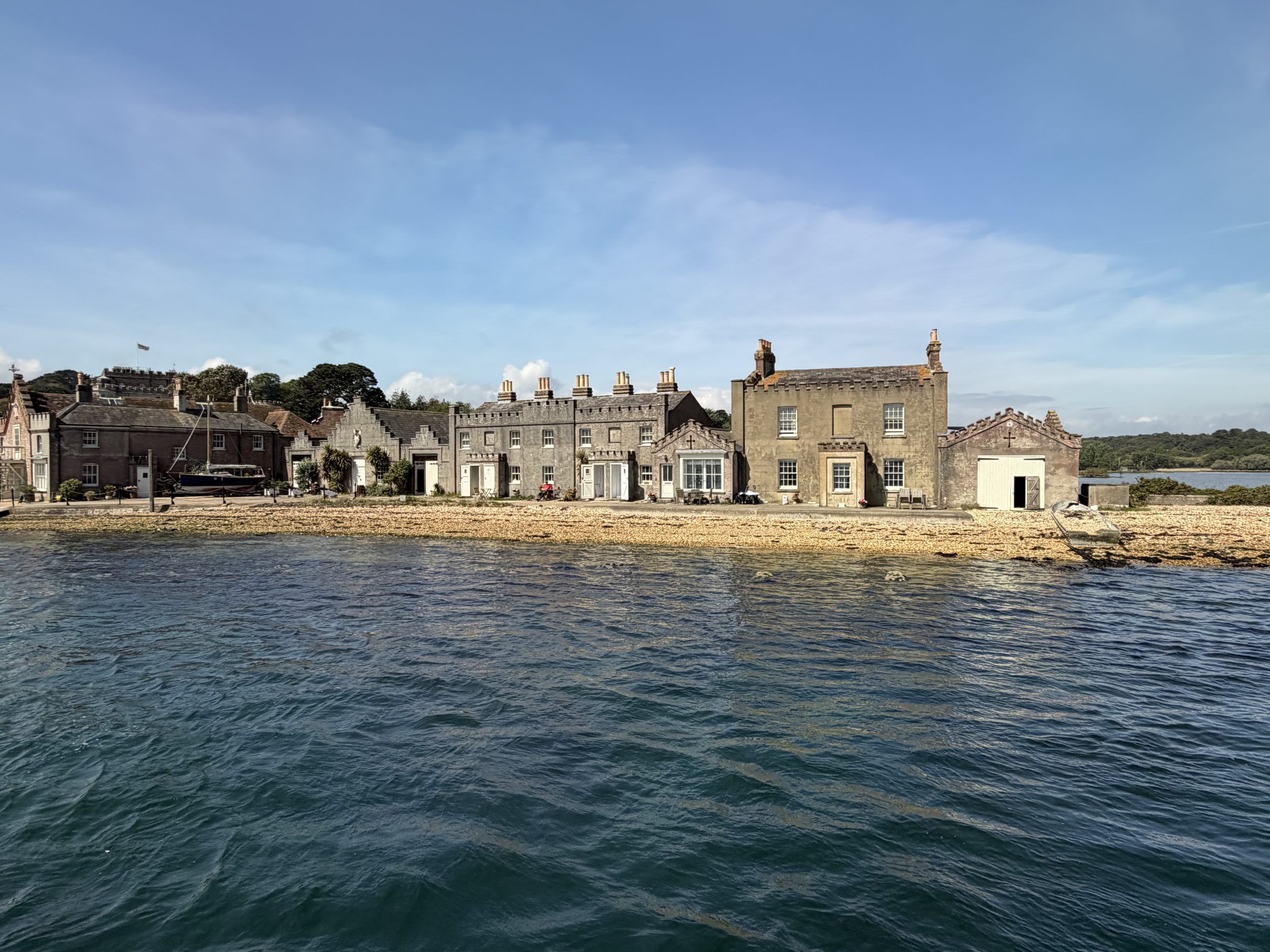
There are places in Dorset that never lose their magic, no matter how often you visit. And Brownsea Island is one of them. We first visited when our children were young, at the height of their fascination with the Famous Five novels. The Island feels remote in a way that very few places in Dorset do. And somehow, despite welcoming thousands of visitors every year, you always feel like you’ve stepped back in time.
The Adventure Starts with the Ferry Ride
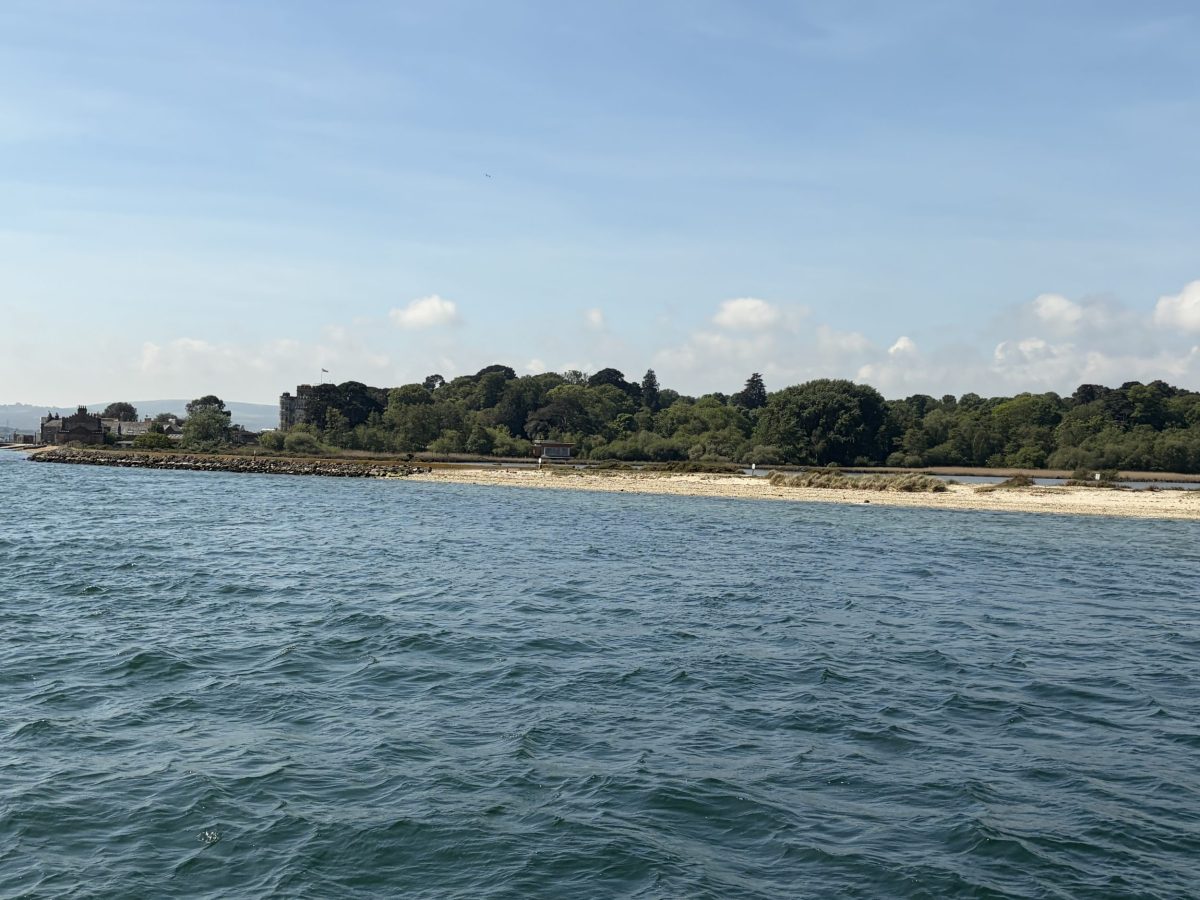
One of the best things about visiting Brownsea Island is the adventure begins long before you arrive. As you catch the ferry from Poole Quay and leave the crowds and cars behind, crossing one of the world’s largest natural harbours, generates a sense you’re heading somewhere special. Somewhere completely different from the mainland.
A Dorset Day Out That Feels Like Stepping Back in Time
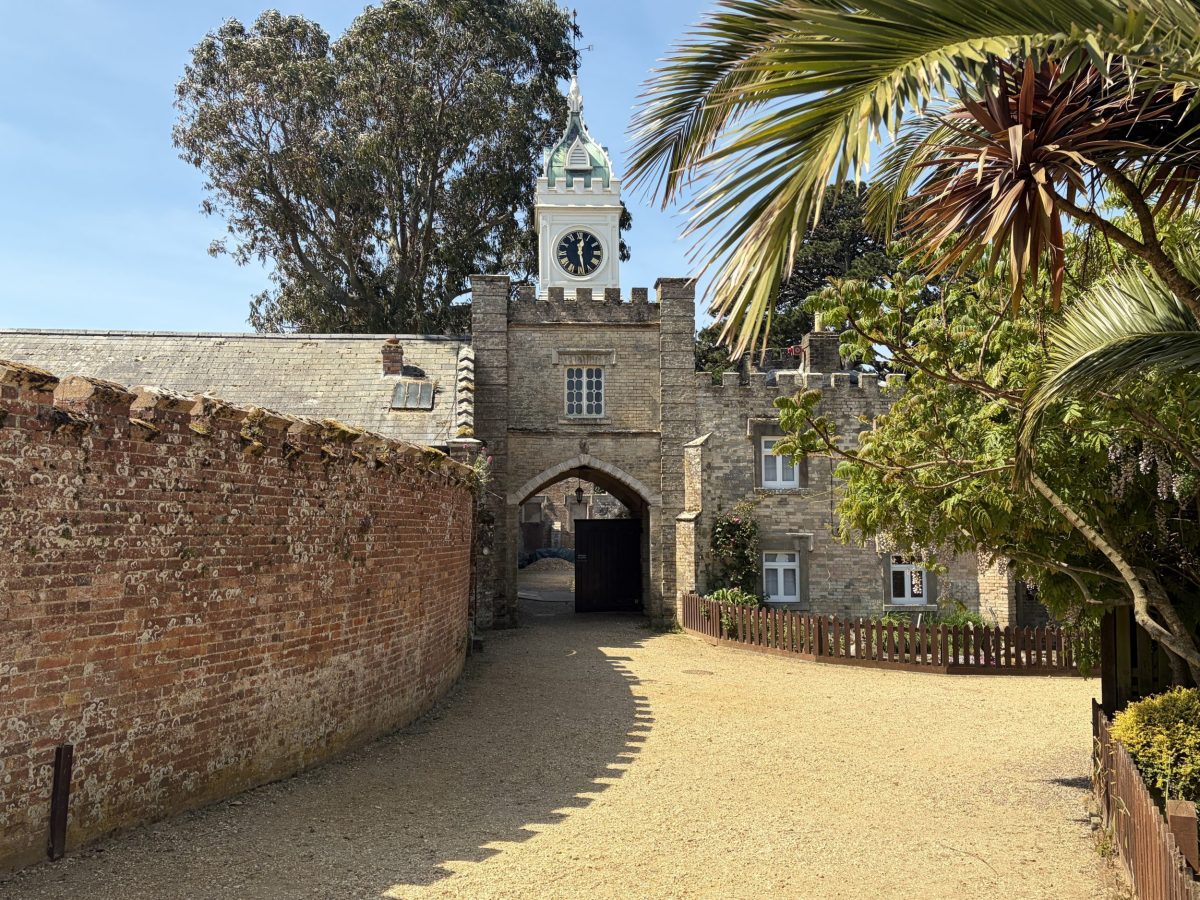
Brownsea Island has a timeless quality. You feel it as you walk through the woods or standing in St Mary’s Churchyard. And you especially feel it when you stumble across one of the island’s quiet beaches.
The Fascinating History of Brownsea Island
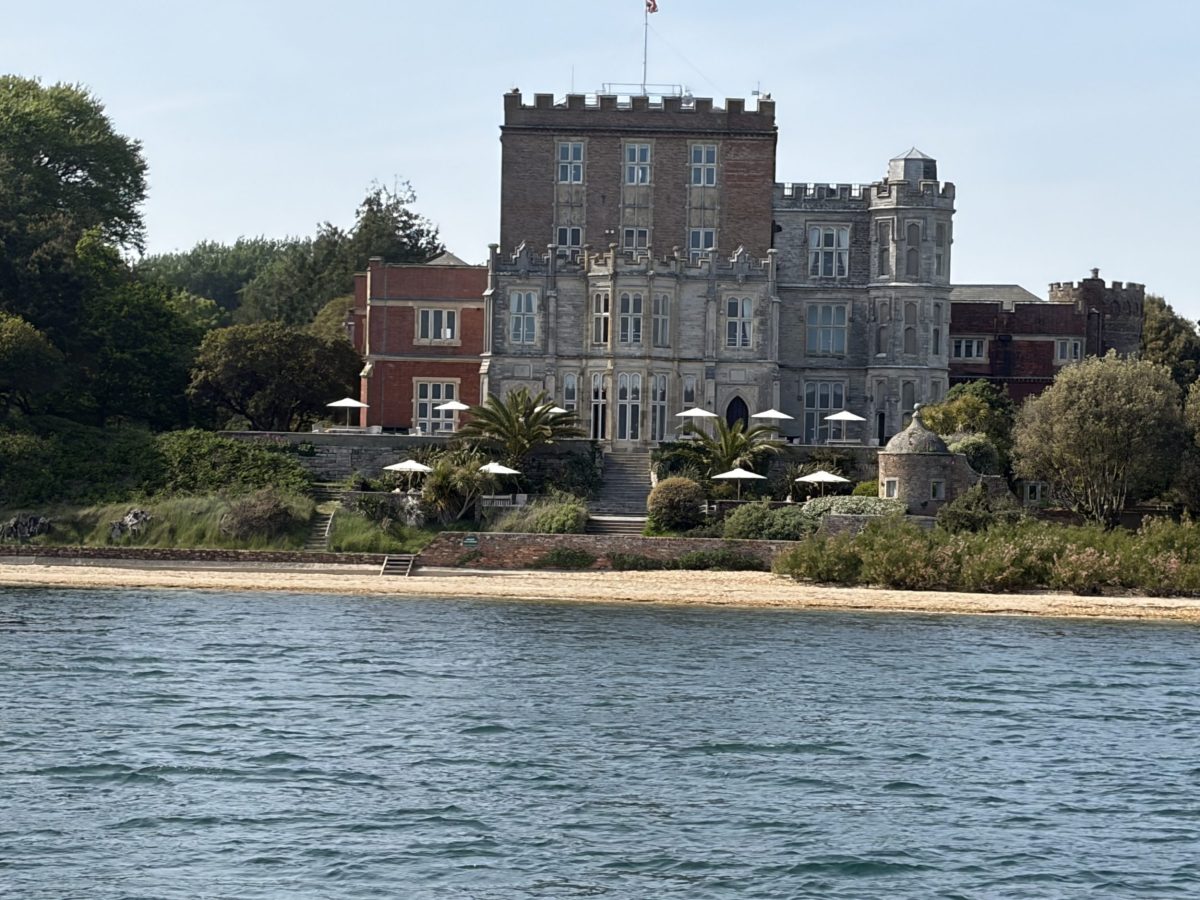
One of Brownsea’s most recognisable landmarks is Brownsea Castle, built by Henry VIII in the 16th century. It’s not open to visitors, instead leased by the John Lewis Partnership as an exclusive island retreat for employees.
Perhaps the most fascinating chapter in Brownsea’s history began in the 1920s, when Mary Bonham-Christie purchased the island. A wealthy and eccentric figure, she grew increasingly reclusive after moving to Brownsea. She ordered many of the island’s residents. Paths became overgrown, buildings fell into ruin, and the island took on the wild, untamed character that you still experience today.
The mysterious Mary Bonham-Christie
She lived in Brownsea Castle, reportedly occupying only a handful of rooms. Locals were suspicious of her, particularly after she banned hunting, fishing and unauthorised landings on the island.
In 1934, a fire swept across Brownsea, destroying woodland and damaging much of the island. How the fire was started still remains a mystery today. After her death in 1961, Brownsea Island faced an uncertain future. Thankfully, the island was saved through an alliance between the National Trust, the Dorset Wildlife Trust and the John Lewis Partnership.
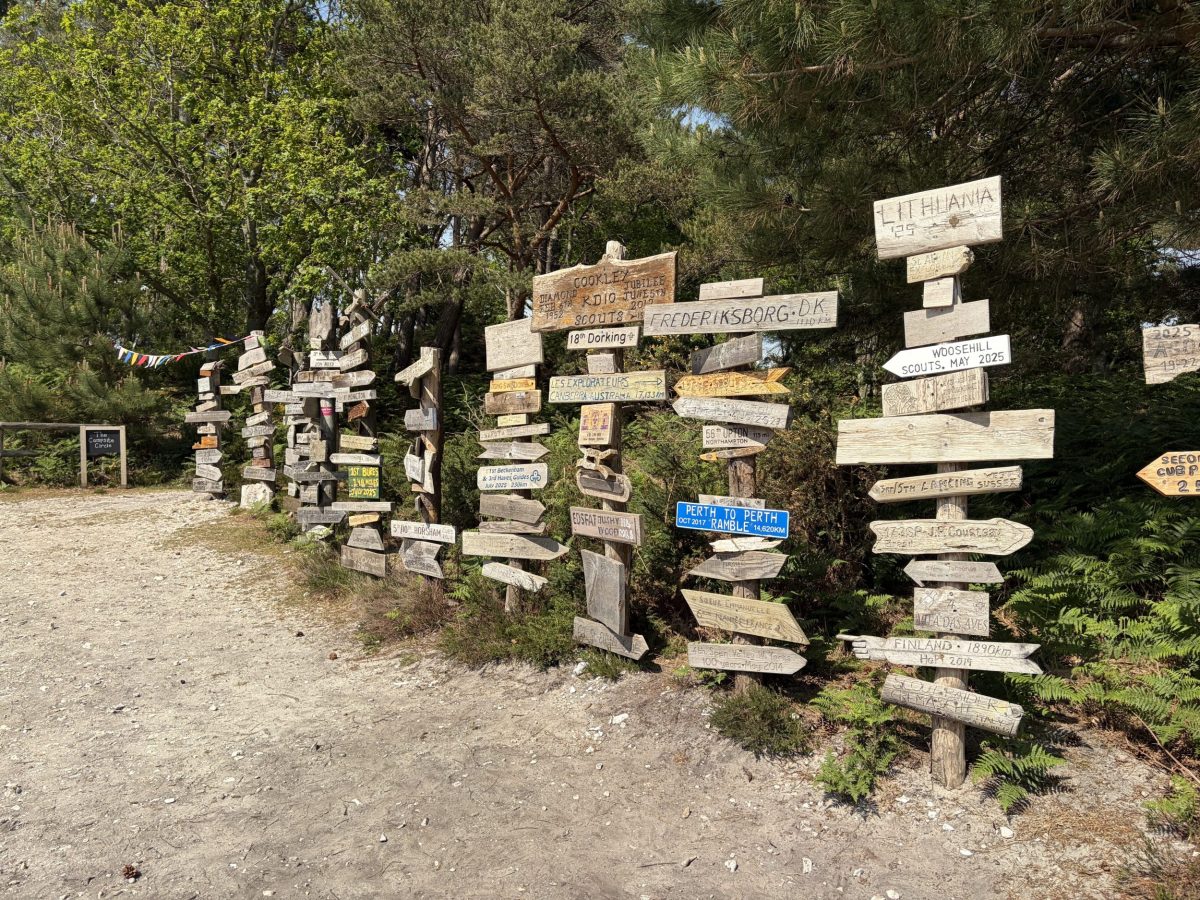
The island was also the birthplace of the Scout movement. In 1907, Robert Baden-Powell held the first experimental Scout camp on the Island.
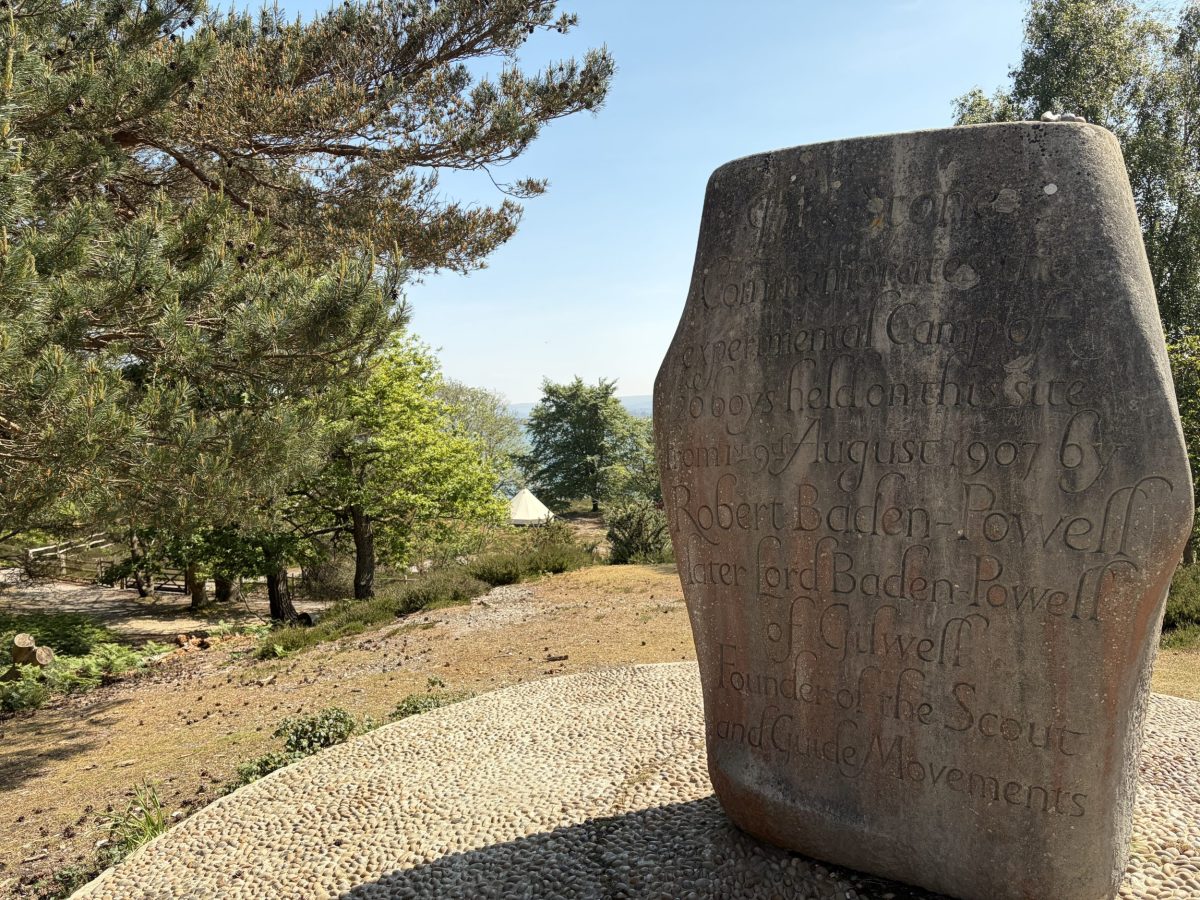
Sixty years later, the Scout Stone was unveiled. An important landmark for Scouts and Guides visiting from around the world.
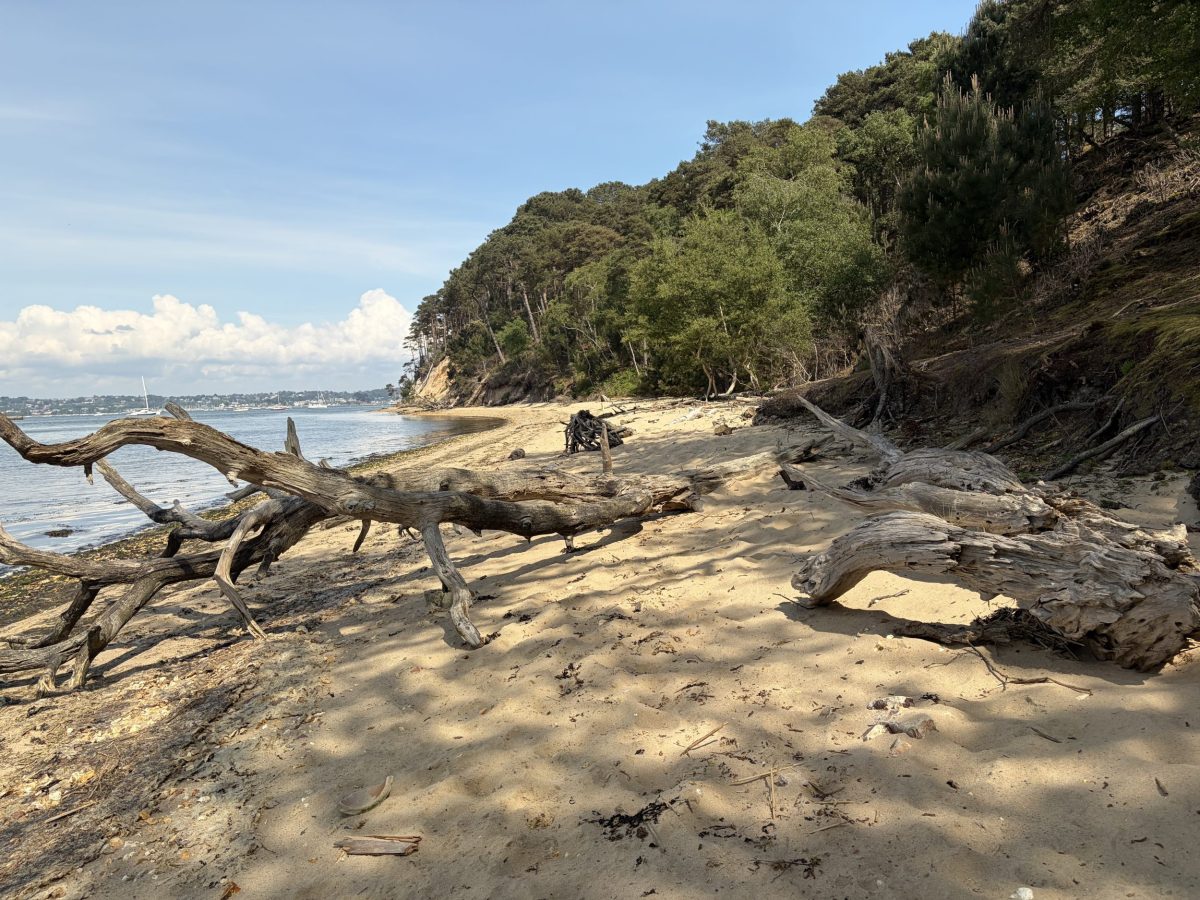
The Beaches Feel Like Your Private Island
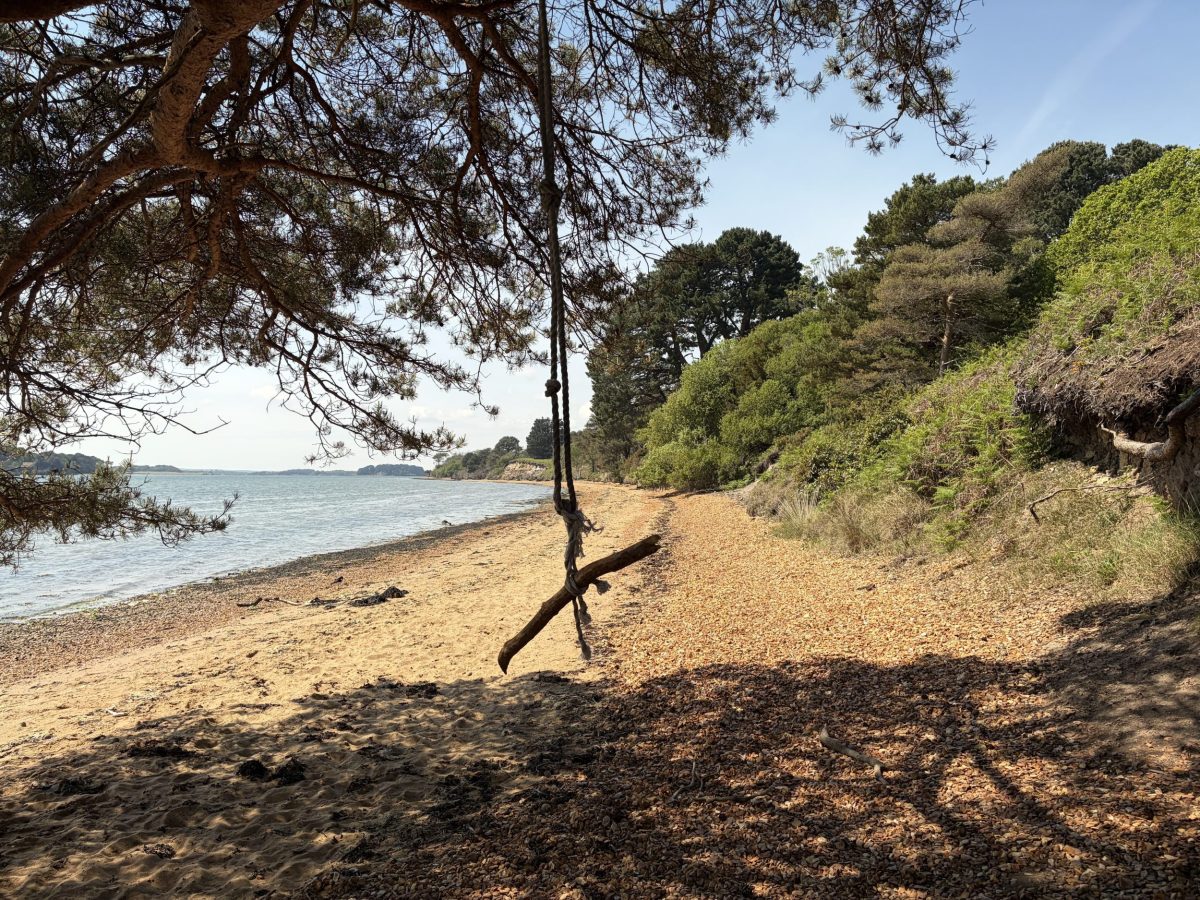
One of our favourite things about Brownsea Island is how easy it is to escape the crowds. Even on busy summer days, there are moments when it genuinely feels as though you have discovered your own hidden island. Some stretches of the shoreline feel almost Robinson Crusoe-like, with beautiful views across to Studland, the surrounding harbour islands, and the Poole coastline.
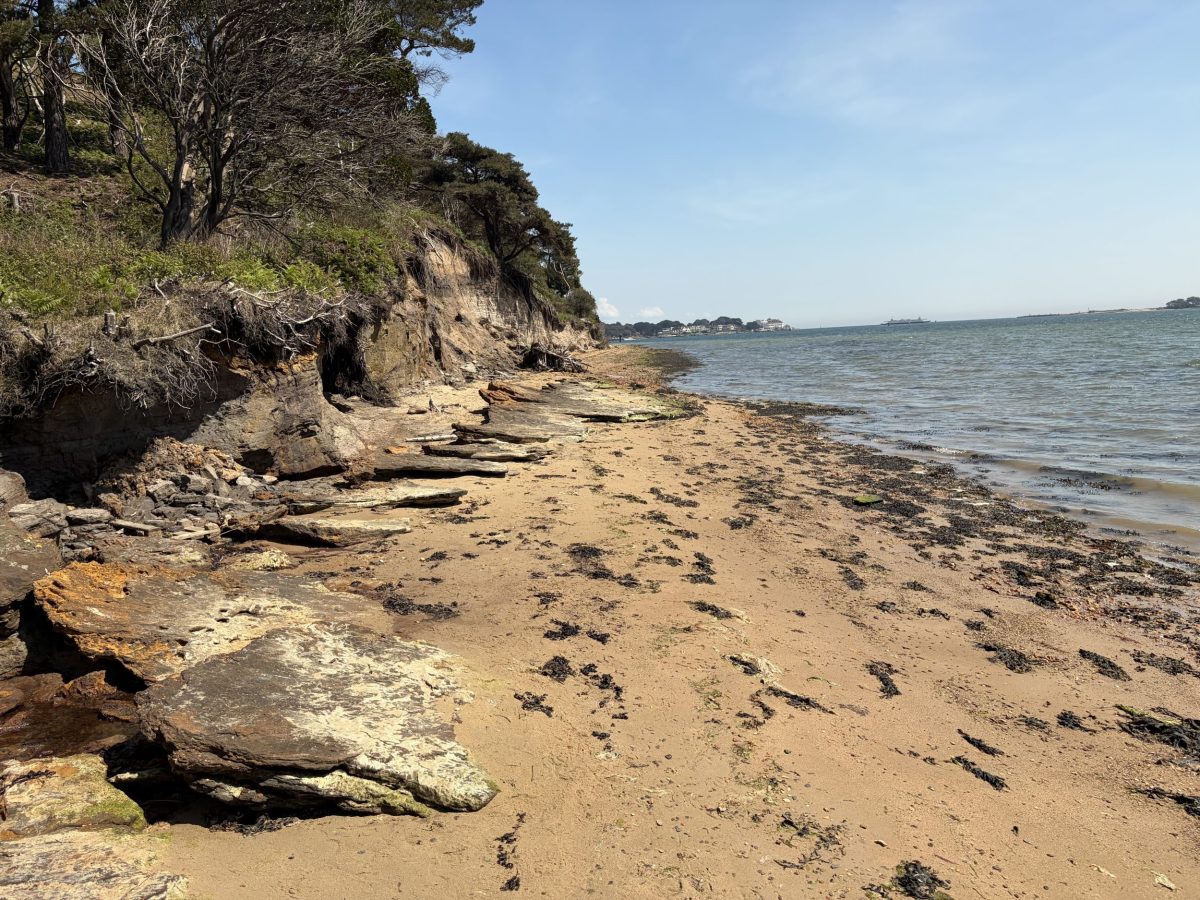
Walking around the island is roughly five miles and takes a couple of hours, but can take much longer because there is so much to stop and take in.
What to See on Brownsea Island
Some of our favourite spots to explore include:
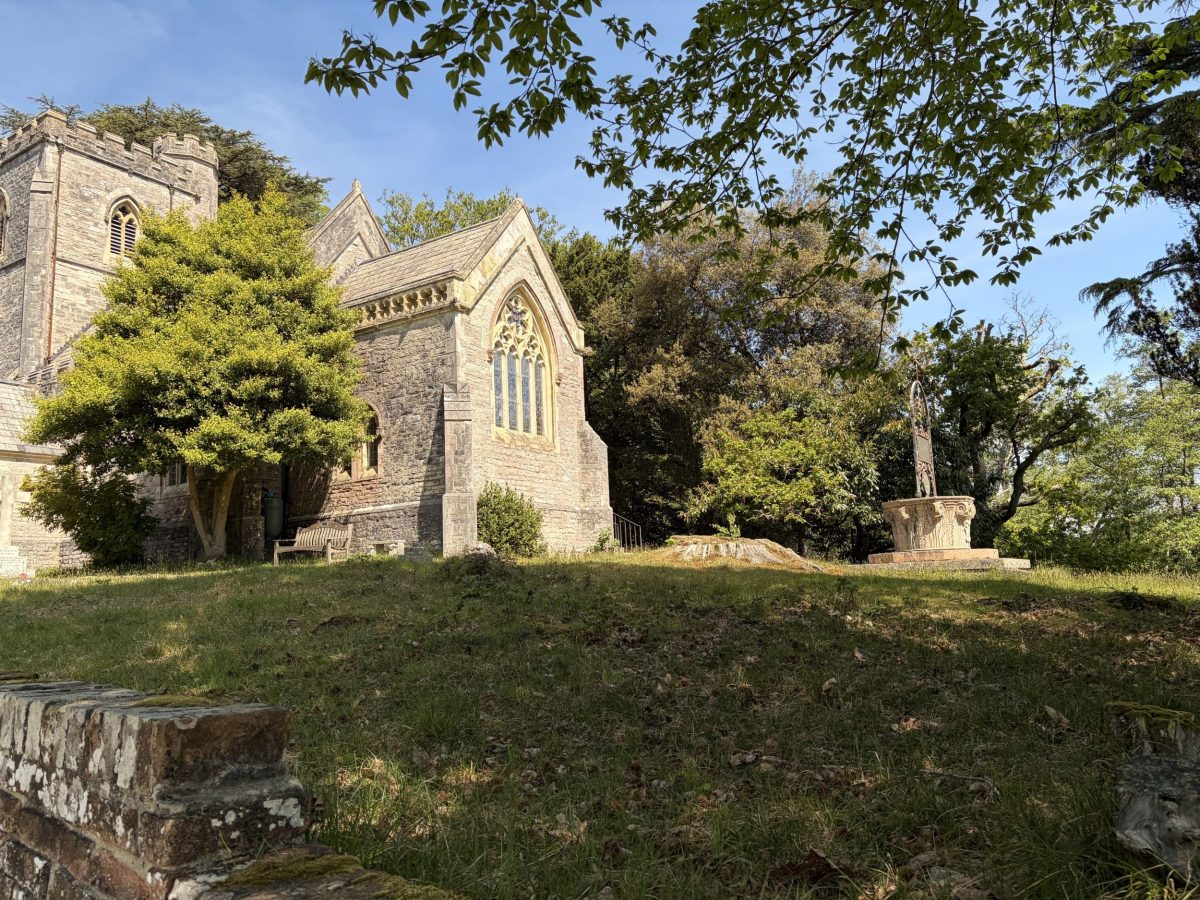
St Mary’s Church
Built in the 19th century it features beautiful stained-glass windows. The church has no electricity or running water and is lit only by candlelight.
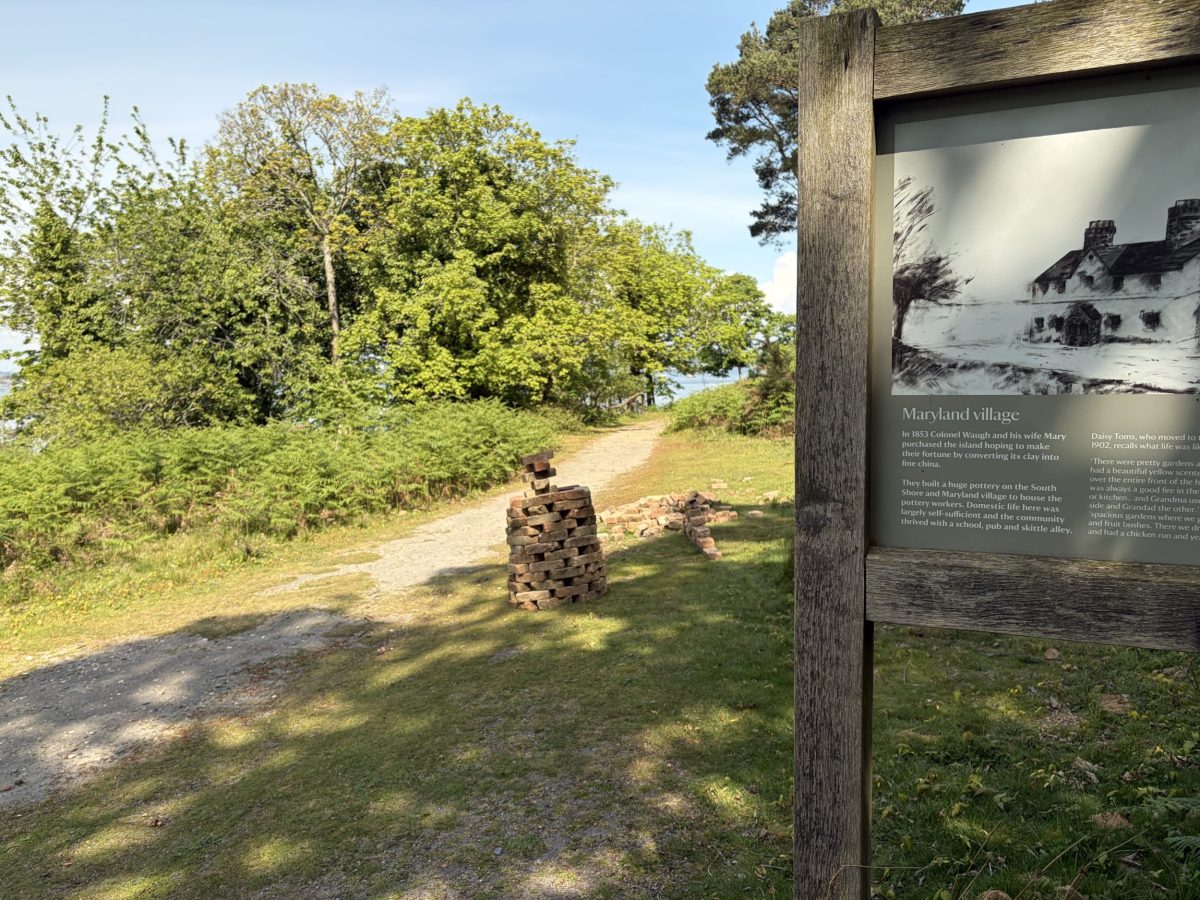
The Maryland Village Ruins
Hidden amongst the woodland are the haunting remains of Maryland, once a small village on the island. Today, only the brick footprints of the houses and the pub remain, often overgrown with ivy and ferns.
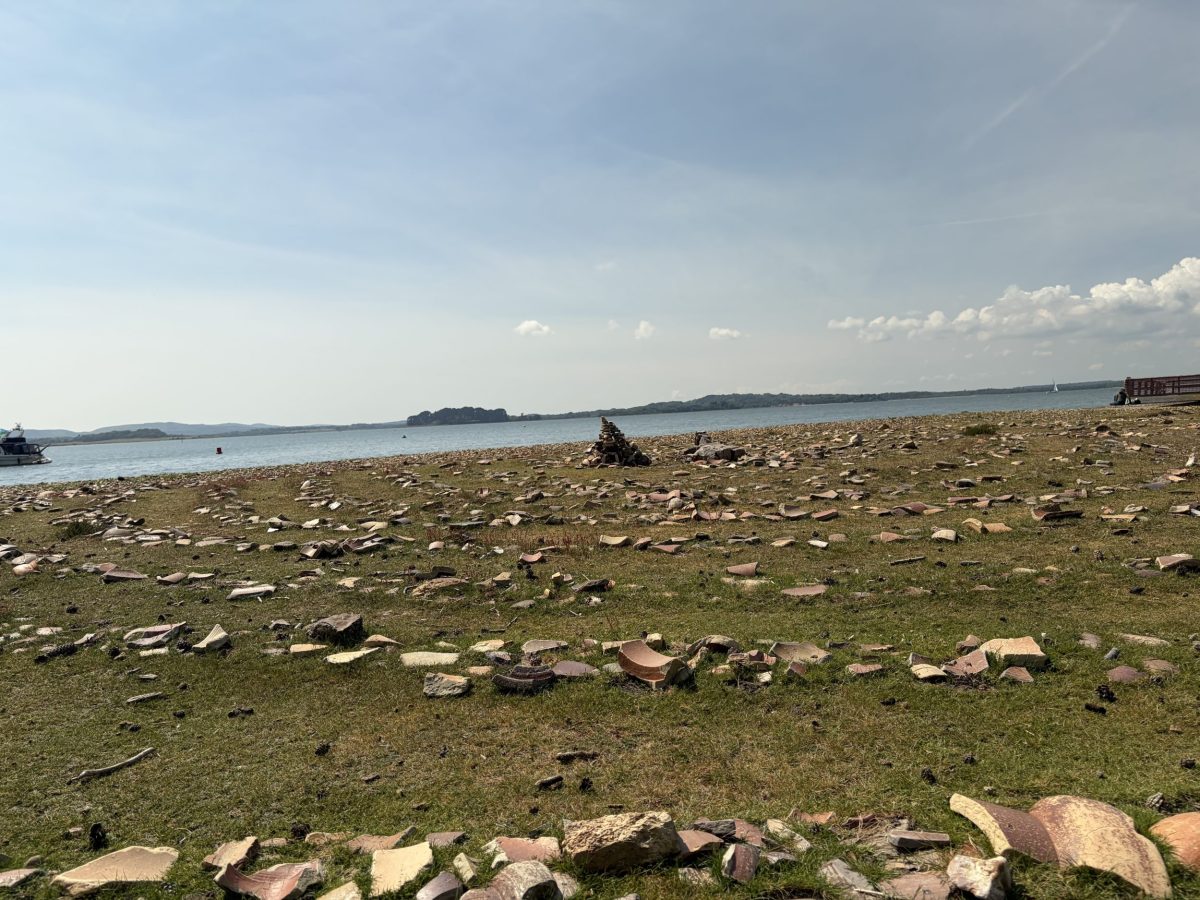
Pottery Pier
Pottery Pier is one of Brownsea Island’s most scenic and atmospheric spots. Once linked to the island’s Victorian pottery industry, the area still bears traces of its past. At low tide, you can often spot fragments of pottery and broken ceramics scattered across the shoreline.
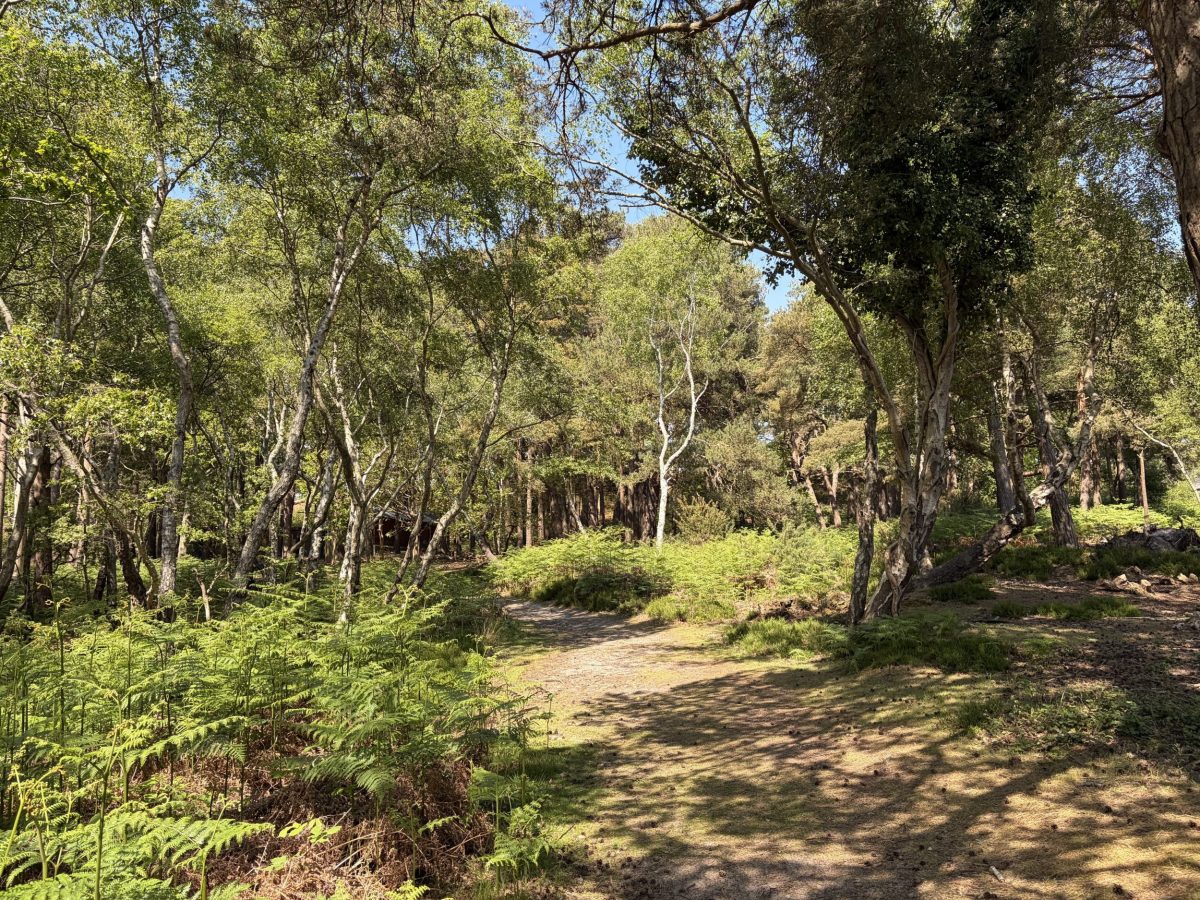
The Woodland Trails
Brownsea’s walking trails are beautiful at all times of the year. In autumn, the colours across the island are especially striking.
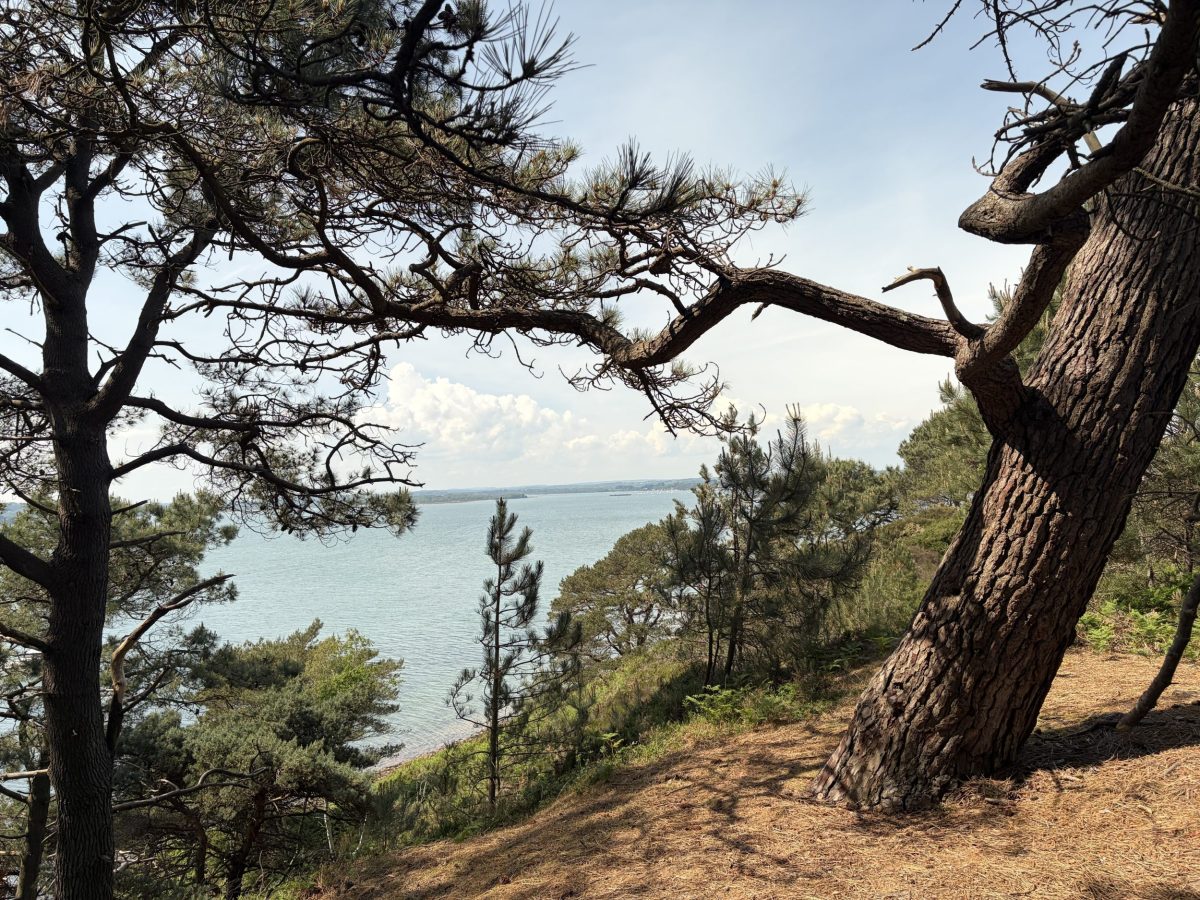
The Cliff-Top Views
Some of the views across Poole Harbour are genuinely breathtaking. From higher points around the island, you can see across to Sandbanks, Studland and the rolling Purbeck hills.
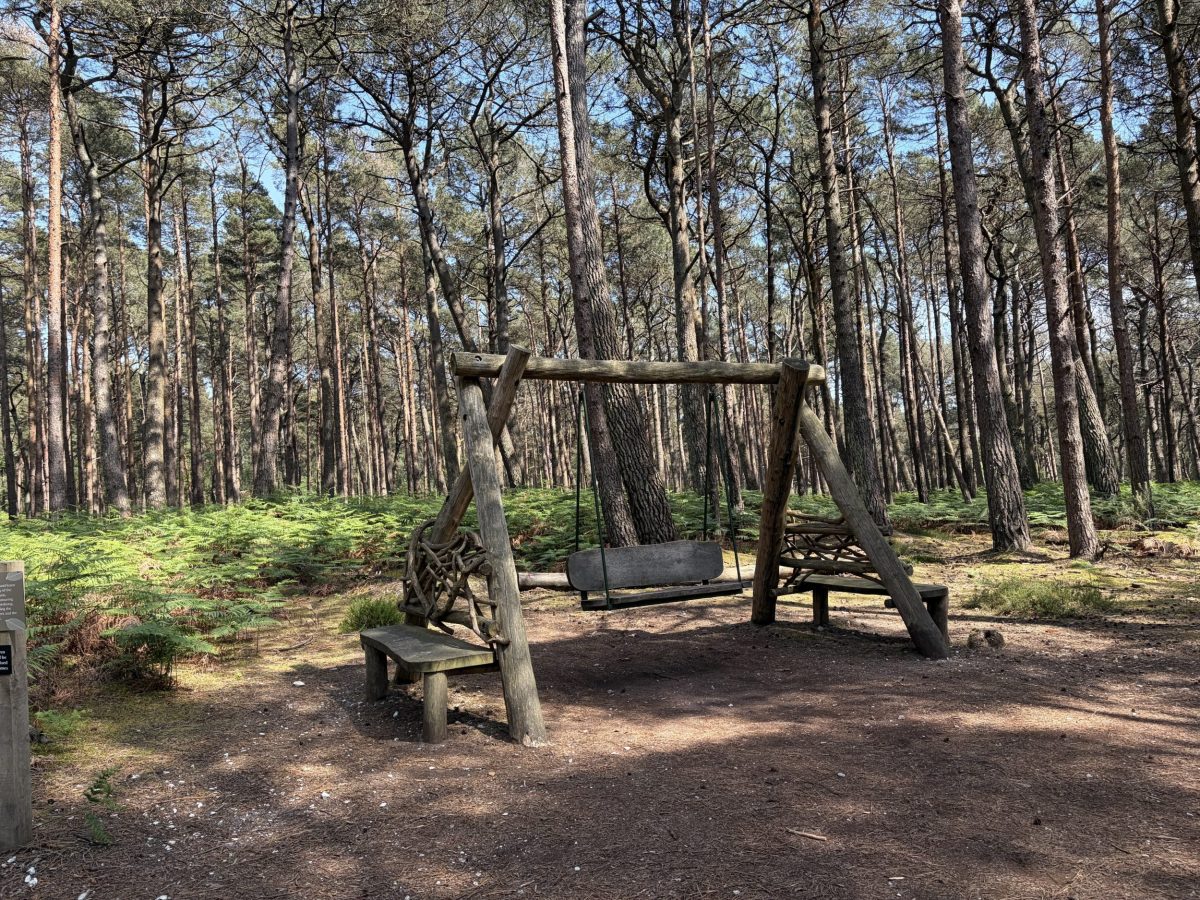
The Calming Woods and Woodland Swing
One of the newer additions to Brownsea Island is the calming woodland area, with a large swing hidden amongst the trees.
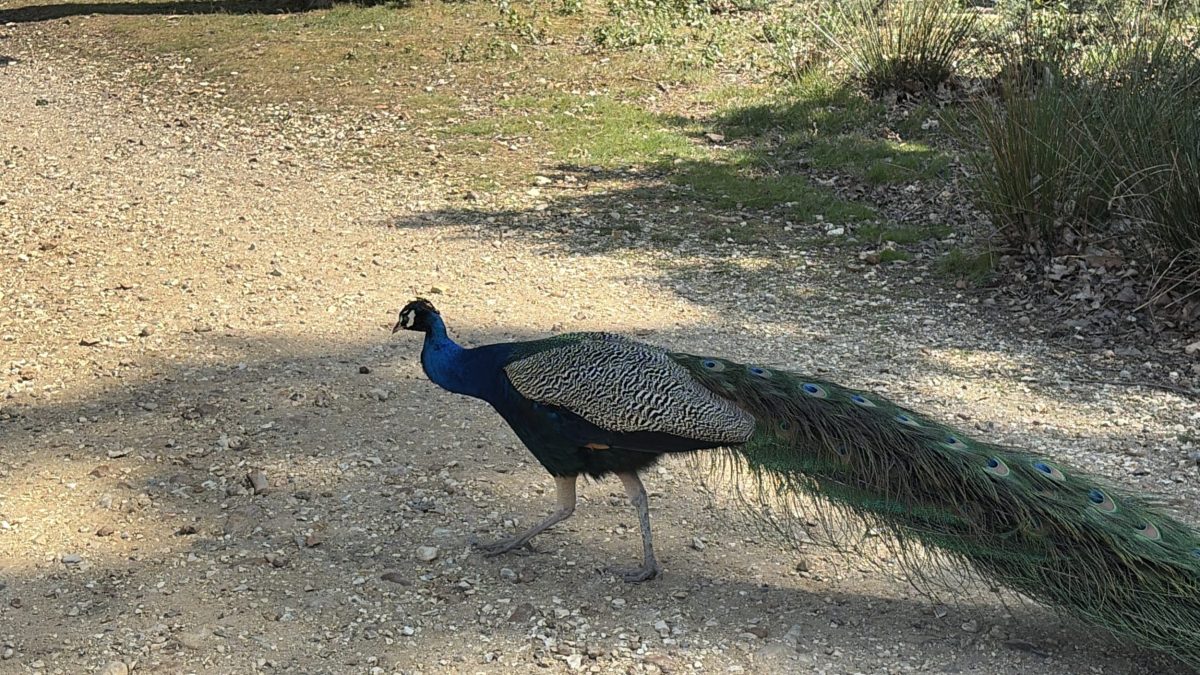
Wildlife, Peacocks and Red Squirrels
Brownsea Island is one of the few places in southern England where red squirrels still thrive, and spotting one always feels special. And there is wildlife everywhere. Birds, deer and peacocks wander freely along paths and open grassland.
Famous Five Everywhere You Look
It is impossible not to think of smugglers, secret hideouts and hidden treasure while exploring the island’s woodland paths and quiet beaches. When our children were younger and completely obsessed with the Famous Five books, Brownsea quickly became one of their favourite places in Dorset.
Brownsea is widely believed to have inspired Whispering Island in ‘ Five Have a Mystery to Solve’. In the book’s preface, Enid Blyton describes an island where “the trees seemed to whisper to one another,” a detail that feels familiar as you walk beneath Brownsea’s towering pines.
Visting Brownsea Island from Dorchester and Weymouth
Brownsea Island is well worth the drive if you’re staying elsewhere in Dorset. From our holiday cottages in Dorchester, or Weymouth, it usually takes about an hour to reach Poole Harbour. Making it a very easy day trip.
Planning a Dorset Stay?
Brownsea Island perfectly captures what makes Dorset so special. If you’re planning a longer stay, many of our luxury holiday cottages in Dorset are ideally placed for exploring Poole Harbour, Sandbanks, Corfe Castle and the Isle of Purbeck.
Frequently Asked Questions
The easiest way to visit Brownsea Island is by ferry from Poole Quay. Ferry crossings typically take about 20 minutes, depending on the departure point and weather conditions.
Most visitors park at Poole Quay when visiting Brownsea Island, and several nearby car parks are available. During the summer and school holidays, arriving early is highly recommended.
Absolutely. Brownsea Island is one of Dorset’s most distinctive and memorable day trips, with beaches, woodland walks, wildlife, history and stunning harbour views.
Brownsea Island is famous for its red squirrels, wildlife, hidden beaches, Brownsea Castle, and its status as the birthplace of the Scout movement. It is also one of the most distinctive day trips to an island in Dorset.
Yes. Brownsea Island is owned by the National Trust and managed in partnership with the Dorset Wildlife Trust.
Brownsea Island is owned by the National Trust. The island was previously owned by several private owners, including Mary Bonham-Christie, before it was protected for conservation and public access.
No. Dogs are not allowed on Brownsea Island in order to help protect the island’s important wildlife, including its rare red squirrel population.
If you are travelling with a dog, many of our dog-friendly holiday cottages in Dorset are ideally placed for exploring other fantastic coastal walks throughout the county.
Most visitors spend between four and six hours exploring the island properly, though you could easily spend an entire day there, especially with children.
Yes. Some visitors do swim from Brownsea Island’s quieter beaches, although there are no lifeguarded swimming areas, and conditions can change quickly around Poole Harbour.
Brownsea Island is open to visitors for most of the year, although ferry schedules and opening times vary seasonally. It is best to check the Brownsea Island website for details.