
The Tank Museum, Dorset: Why It Remains One of the Best Family Days Out in Dorset

Some attractions are consistently good. The Tank Museum at Bovington is one of the few that continues to improve.
We used to visit regularly when our children were younger; it always made the school holiday list, usually paired with a morning at Monkey World, just a few minutes up the road. Back then, it was already impressive, but we recently revisited it with our nephew and were genuinely surprised by how much the museum has evolved. We expected him to lose interest after an hour. Instead, he wanted to stay longer than we did.
One of the reasons is that the museum today feels far more immersive than it did years ago. It’s grown into something much bigger than a building full of old tanks, and that’s meant in the best possible way. What you’ll find is an experience that genuinely engages visitors of all ages, from children who’ve never heard of a Tiger tank to history enthusiasts who’ve been reading about armoured warfare for decades. It earns its place on any Dorset itinerary, rain or shine.
If you’d like a closer look before planning your visit, we’ve also put together a short video from our recent trip.
Where is the Tank Museum?
The Tank Museum is at Bovington Camp in Dorset, just outside the village of Wool, in the heart of the county.
Address: The Tank Museum, Bovington, Dorset, BH20 6JG
Getting here is straightforward from most parts of Dorset:
- From Dorchester: approximately 12 miles, about 20 minutes by car
- From Weymouth: approximately 14 miles, around 25 minutes
- From Wareham: approximately 7 miles, around 12 minutes
The museum is well signposted from the main routes through Dorset and is near the A352.
Monkey World is just under 2 miles away, making the two a natural pairing for a full day out.

Why We Believe The Tank Museum Is Better Than Ever
When we first started bringing the children here, The Tank Museum was very much a collection. A remarkable collection, admittedly, but one that emphasised the vehicles themselves rather than the stories around them or the people inside them.
What’s changed, and what struck us so clearly on our recent revisit, is how cleverly the whole experience has been developed. The galleries have been redesigned to put the human story at the centre. You move through the exhibitions, understanding not only what these machines were, but also what it felt like to be the people who built, drove and fought in them.
In particular, the interactive elements have transformed the museum’s appeal to younger visitors. Our nephew, not someone who would describe himself as a history enthusiast, spent far longer here than any of us expected and left asking questions rather than demanding to leave. That’s a fairly reliable measure of a good museum.
The investment in the visitor experience in recent years has paid off. The collection now includes almost 300 vehicles on display, but it’s the context and storytelling around them that truly elevate the visit.

The Incredible Tank Collection
The headline fact about The Tank Museum is its scale. It holds the world’s largest collection of tanks, spanning the history of armoured warfare, with almost 300 vehicles from 26 countries.
But numbers tell only part of the story. What makes the collection extraordinary is its range, from the earliest experimental vehicles of the First World War to modern main battle tanks still in active service. You genuinely get a sense of how this technology evolved and how dramatically it shaped 20th-century history.
The undoubted star of the collection is Tiger 131, the only operational German Tiger I tank in existence. It has a remarkable history: captured in Tunisia in 1943, brought back to Britain, and kept in working order ever since. Seeing it in person gives you a real sense of why this tank had such an outsized psychological impact during the Second World War. At Tiger Day events, it’s run under its own power in the arena, a reason to plan a visit if you can.
The collection also includes a British First World War Mark I, the world’s oldest surviving combat tank. Standing next to it, realising that this lumbering, primitive machine fundamentally changed the conduct of warfare, is a genuinely moving moment.
The vehicles here come from across the world, including Britain, Germany, the USA, the Soviet Union, France and many more, making this a truly international collection rather than a purely British one.
The WWI Trench Experience
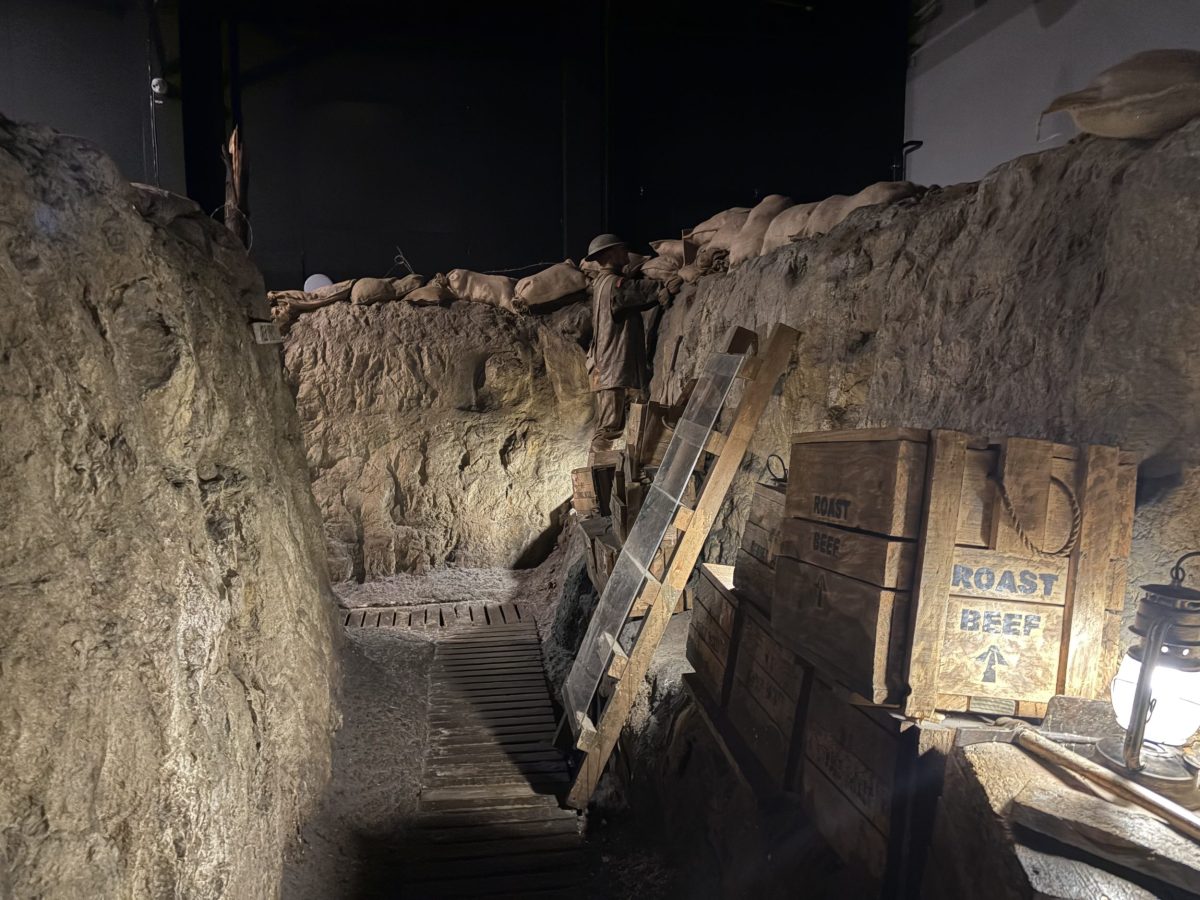
If you visit with children, the Trench Experience is likely to be the exhibit they talk about afterwards.
It recreates the environment of the Western Front in extraordinary detail. The sounds, the atmosphere, the claustrophobic scale of it all. As you walk through it, you’re surrounded by the sights and sounds of a working trench, with the rumble of artillery and the rattle of machinery creating an atmosphere no photograph or film clip can quite capture.
The educational value here is significant. For children studying the First World War at school, or for adults who think they already know the story well, this puts you inside the experience in a way that is hard to shake off. It’s not sensationalised. It’s sobering and respectful, which is exactly what it should be.
It’s also worth noting that you can walk through the museum’s massive Mark IX First World War tank, a feature that makes history tangible in a way display cases simply can’t.
The World War II Street Scene
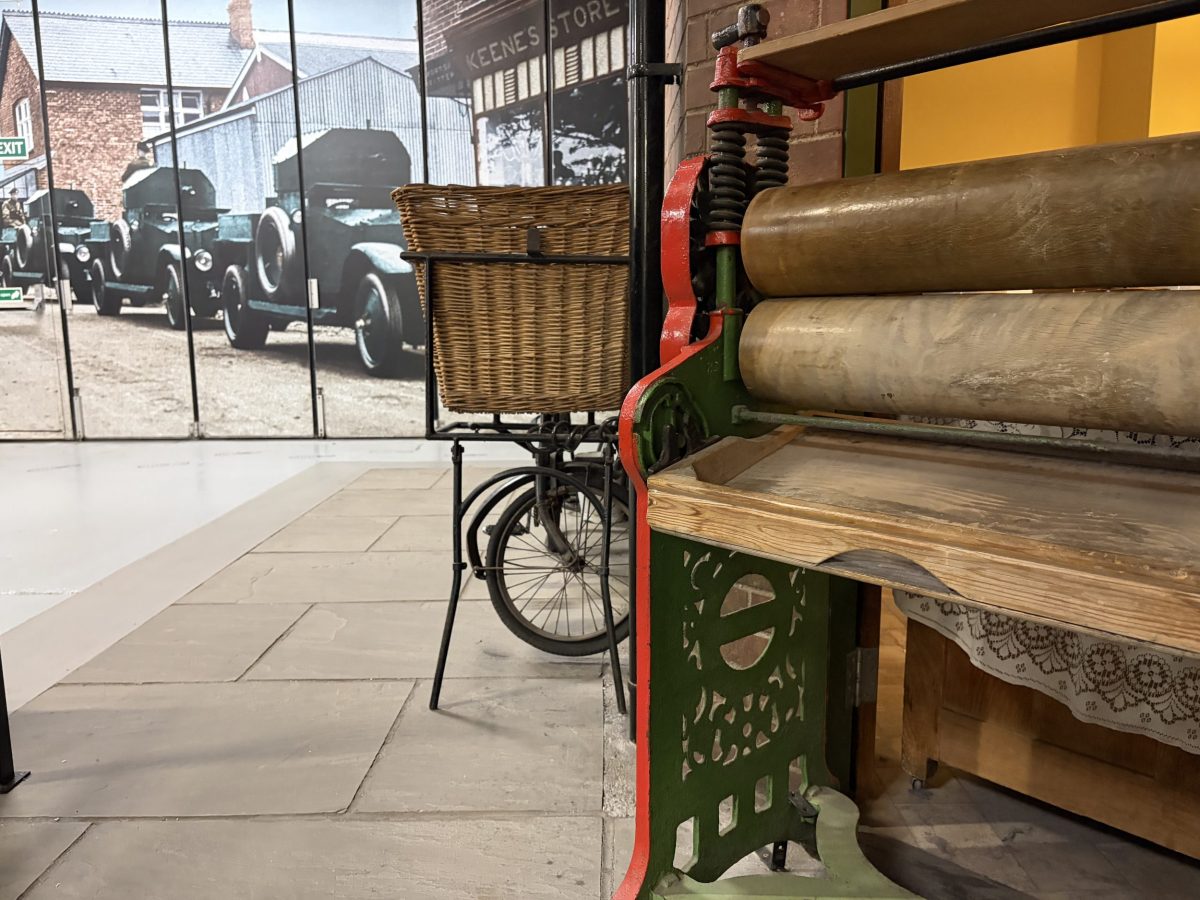
The WWII section of the museum features a recreated wartime street scene that brings the period to life with period shopfronts, authentic details and the vehicles that defined the era, offering an immersive glimpse into everyday life in wartime Britain
What works well here is how it connects the machines to the civilian experience of the war. The tanks and armoured vehicles are contextualised within a wider story about what the conflict meant for ordinary people, thereby broadening the appeal beyond military history enthusiasts.
Children tend to find this section genuinely engaging. There’s enough to look at and explore to hold attention in a way that more conventional displays sometimes fail to do. You can also experience what it was like to stay inside an Andersen Air Raid Shelter.

The World of Tanks Exhibition
This was the biggest surprise on our recent revisit and is probably the exhibit that has done the most to broaden the museum’s appeal among younger visitors.
The World of Tanks exhibition is a collaboration with the hugely popular online game, and it works better than you might expect. The interactive elements let visitors engage with tank technology and history through a digital lens, appealing directly to an audience that might otherwise find the subject inaccessible.
It’s been thoughtfully integrated into the wider museum rather than feeling like a bolt-on. The gaming connection serves as a gateway to authentic historical content, and the technology on display is impressive. For teenagers in particular, this is often the section that turns a reluctant visitor into an interested one.
Tanks on the Big Screen: From Hollywood to James Bond
One of the more unexpected highlights of our visit was discovering how often tanks have appeared in popular culture. The Tank Museum’s “Tanks for the Memories” exhibition explores how tanks have become part of films, television, toys, books and video games over the past century.
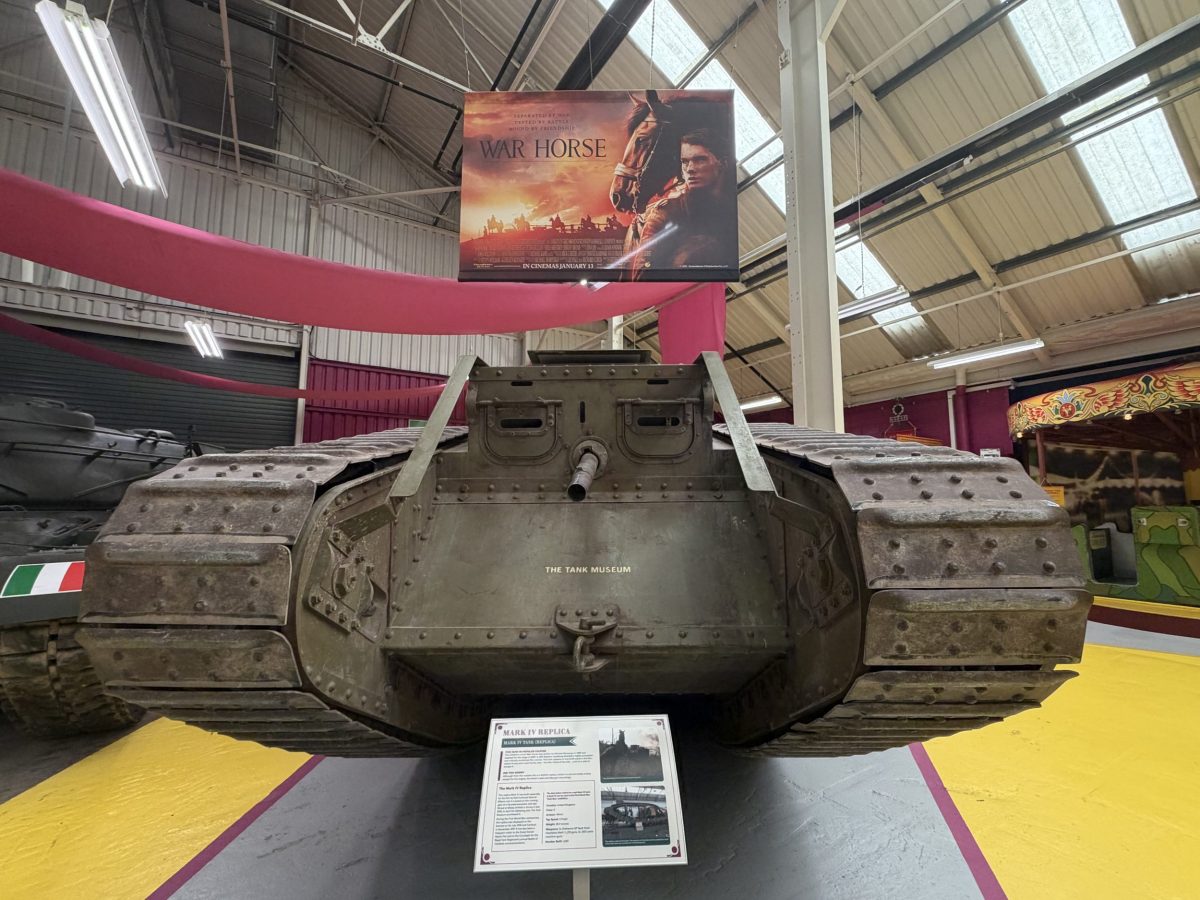
Film fans will recognise references to major Hollywood productions. The museum’s famous Tiger 131 tank appeared in the film Fury, starring Brad Pitt, helping to bring one of the Second World War’s most feared tanks to the big screen. The museum is also home to the replica Mark IV tank built for Steven Spielberg’s War Horse, offering a fascinating link between real military history and one of cinema’s most memorable war films.
The exhibition also explores how tanks have featured in blockbuster franchises such as James Bond and Indiana Jones, as well as in countless television programmes, comics and computer games. For younger visitors, particularly those familiar with tank-themed video games, it’s an engaging way to connect what they see on screen with the real vehicles standing just a few feet away.
It’s a section of the museum we didn’t expect to spend much time in, but it proved to be a fascinating reminder that tanks have influenced far more than just military history. They’ve become part of popular culture, too.
Tank Arena Demonstrations
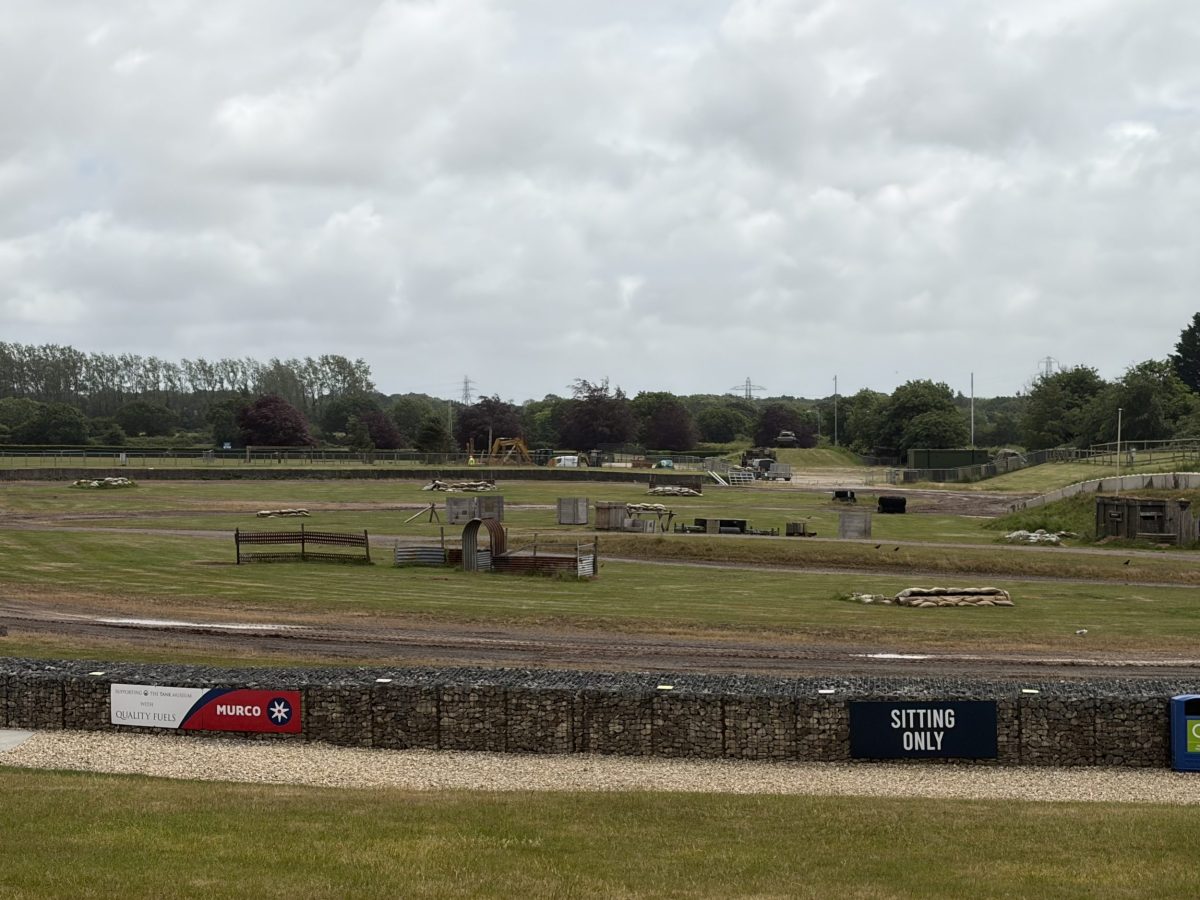
On selected days throughout the year, vehicles from the collection are started and driven in the outdoor arena, an experience with no real equivalent elsewhere in the UK.
Hearing a Tiger tank run under its own power, or watching a First World War vehicle in motion, is a very different experience from seeing the same machines stationary behind barriers. It’s loud, visceral, and genuinely exciting.
The flagship event is TANKFEST, held annually and attracting visitors from around the world for a weekend of arena displays, trade stands and rare vehicles. Special Event Days in 2026 are scheduled for 18 April, 26–28 June (TANKFEST) and 26 September. It’s worth checking the museum’s event calendar before you visit, as these days require separate tickets and book up well in advance.
Even on a standard visit day, arena activity takes place regularly. Check the daily schedule when you arrive to make sure you don’t miss it.

Visiting With Children
The Tank Museum has invested heavily in its family offering, and it shows. Alongside an indoor soft play area (open 10 am–4 pm) and an outdoor play area, there are trails and puzzles, including Commander Basil’s trail, to keep children engaged throughout the visit. You can also design your own comic based on the giant recreation of the front cover and story of ‘The Victor for Boys’ comic.
The interactive exhibits throughout the museum mean children aren’t just looking at things; they’re doing things. The Trench Experience and WWII Street Scene are both highly engaging for younger visitors, and the sheer size and spectacle of the vehicles hold attention in a way that’s hard to replicate. The museum is also largely accessible to wheelchair users and visitors with limited mobility, with spacious galleries and step-free routes through most areas.
On average, visitors spend about four hours at The Tank Museum, though some spend considerably longer. For families, a full day is a reasonable plan, particularly if you want to see arena activity and work through the major galleries without rushing.
One practical note: almost the entire museum is indoors, making it a good option in Dorset on a day when the weather isn’t cooperating. If you’re looking for rainy-day activities in Dorset, The Tank Museum is near the top of the list.

Tank Museum Tickets, Prices and Opening Times
The Tank Museum is open daily from 10 am to 5 pm. We’d recommend checking the official Tank Museum website for current ticket prices before you visit, as prices are updated regularly.
As a guide, adult tickets are around £19–21 at the door, with children’s tickets significantly cheaper and family ticket options available. Booking online saves around 20% off standard prices.
One notable feature of The Tank Museum’s ticketing is that every full-price admission ticket includes a free Annual Pass, allowing you to return as many times as you like for a full year (excluding Special Event Days). Given how much there is to see, many visitors do come back, and if you’re staying locally in one of our Dorset holiday cottages, it’s worth bearing in mind that a second visit on a separate day is very much worth it.
Booking online in advance is recommended. Tickets are 20% cheaper than those bought at the door, and it helps the museum manage visitor numbers on busier days.
Other Attractions Near The Tank Museum
One of the reasons we often recommend The Tank Museum to guests staying with us is that it’s ideally located to explore some of Dorset’s best-loved attractions.
Rather than simply visiting for the day and heading home, we’d suggest making the most of your time in this beautiful part of the county. Within a short drive, you’ll discover dramatic coastlines, fascinating history, family-friendly attractions and some of Dorset’s most iconic landmarks.
Here are a few places we’d recommend adding to your itinerary.
Monkey World Ape Rescue Centre
Monkey World, less than two miles from The Tank Museum, is one of Dorset’s most popular family attractions.
Home to more than 260 rescued primates, it’s a fascinating place where conservation and education meet. Keeper talks, spacious enclosures and the Great Ape Play Area make it a brilliant day out for all ages.
If you’re staying in Dorset for a few days, we’d recommend giving each attraction a full day. There’s simply too much to see and enjoy to rush either experience.
Read our complete Monkey World guide.
Lulworth Cove & Durdle Door
About 20 minutes from The Tank Museum, you’ll find two of Dorset’s most iconic natural landmarks.
Lulworth Cove and the neighbouring Durdle Door are among the highlights of the Jurassic Coast, offering spectacular scenery, beautiful coastal walks and some of the county’s most photographed views.
Whether you’re planning a leisurely stroll, a picnic overlooking the sea, or a summer swim, it’s a wonderful place to spend a few hours after exploring the museum.
Discover our guide to Lulworth Cove and Durdle Door.
Tyneham Village
If you’ve enjoyed learning about military history at The Tank Museum, we’d strongly recommend visiting Tyneham Village.
Requisitioned by the Army during the Second World War, the village was never returned to its residents and remains frozen in time. Walking through the deserted schoolhouse, church and cottages offers a poignant reminder of Dorset’s wartime history.
It’s one of the county’s most fascinating and thought-provoking places to visit.
Read our guide to Tyneham Village.
Corfe Castle & Swanage Railway
Just a short drive away, Corfe Castle is one of Dorset’s most recognisable landmarks.
The dramatic castle ruins dominate the skyline and make a wonderful place to explore before boarding the heritage Swanage Railway.
Travelling through the Purbeck countryside on a traditional steam train is one of our favourite Dorset experiences and a brilliant way to combine history with a relaxing afternoon by the sea in Swanage.
Explore our Corfe Castle guide.
Lulworth Castle
Often overshadowed by nearby Lulworth Cove, Lulworth Castle is well worth visiting.
Set within beautiful parkland, the castle offers a fascinating history, woodland walks and open space for families to explore.
If you’re spending several days in the area, it’s an excellent addition to your Dorset itinerary.
Wareham
Just a few miles from The Tank Museum, the historic riverside town of Wareham makes a lovely stop for lunch or an afternoon stroll.
Its independent cafés, traditional pubs and Saxon walls create a relaxed atmosphere, while the nearby River Frome offers the perfect setting for a gentle walk before continuing your Dorset adventure.
Browse our explore Wareham Guide.
Blue Pool Nature Reserve
Set within peaceful woodland near Wareham, the Blue Pool is one of Dorset’s most distinctive natural attractions.
Famous for its ever-changing water colours, woodland trails and tranquil setting, it’s a place we’ve returned to many times over the years.
If you’re looking for a quieter afternoon after the excitement of The Tank Museum, this is the perfect place to slow the pace.
Read our Blue Pool guide.
Curated Tip
If you’re staying in Dorset for three or four nights, we’d suggest combining The Tank Museum, Monkey World, Lulworth Cove, Durdle Door and Corfe Castle over a couple of days. They’re all within easy reach of one another and together offer a fantastic mix of history, wildlife and some of the Jurassic Coast’s finest scenery.

Places to Stay Near The Tank Museum
If you’re planning a visit to The Tank Museum as part of a longer Dorset break, we can help you find suitable accommodation.
At Curated Cottages, we offer a hand-picked selection of holiday cottages in Dorset, from luxury properties to larger homes ideal for families and groups. Many of our Weymouth and Dorchester cottages are within easy reach of Bovington, making The Tank Museum and Monkey World natural day trips from your front door.
Our Verdict
The Tank Museum is one of those attractions that can easily be underestimated. The name suggests something niche, a specialist collection for enthusiasts, yet it’s nothing of the sort.
What you actually get is one of the most thoughtfully curated museum experiences in southern England, set within a genuinely extraordinary collection. The Trench Experience is as good as anything we’ve encountered at a regional attraction. The World of Tanks exhibition draws in younger visitors who might otherwise never have engaged with this history. Tiger 131, the WWI Trench Experience and the sheer scale of the vehicle collection together make for a day that is very hard to forget.
We find ourselves recommending it to all sorts of families staying with us, not just those with an obvious interest in military history, but to anyone seeking a substantial, genuinely immersive day out in Dorset. It rewards a full day, and if you combine it with Monkey World and the surrounding area, you have the building blocks of a very good Dorset break.
If someone told us they weren’t particularly interested in military history, we’d still recommend visiting The Tank Museum.
That’s because this is no longer simply a museum of tanks.
It’s a museum about people, innovation, engineering and remarkable stories.
We’ve now visited with our own children and, more recently, our nephew, and every visit has felt different.
That’s probably the highest compliment we can pay.
It’s one of those attractions that keeps rewarding return visits.
For more Dorset days out, take a look at our guides to Monkey World Dorset, Tyneham Village, and our Explore Dorset guide. When you’re ready to plan your stay, explore our full range of holiday cottages in Dorset.
Frequently Asked Questions
The Tank Museum is at Bovington Camp, near the village of Wool in Dorset. The full address is The Tank Museum, Bovington, Dorset, BH20 6JG. It’s about 12 miles from Dorchester, 14 miles from Weymouth and 7 miles from Wareham.
Ticket prices are updated periodically, so we recommend checking the official Tank Museum tickets and prices page before your visit. As a general guide, adult tickets are around £19–21 at the door, with significantly lower prices for children and family ticket options. Booking online saves around 20%, and every full-price ticket includes a free Annual Pass, allowing you to return as many times as you like within a year.
The Tank Museum is open from 10 am to 5 pm, seven days a week. The museum is open throughout most of the year, though it closes on a small number of dates for maintenance, training and over the Christmas period. Before visiting, it’s always worth checking the official website for the latest opening times and any planned closures.
Most visitors spend about four hours at The Tank Museum, though many stay longer. A full day is a comfortable option for families who want to see the major exhibitions, catch arena activity and let children make use of the play areas.
Very much so. The interactive exhibitions, the Trench Experience, the outdoor arena and the dedicated children’s trail all make The Tank Museum highly engaging for younger visitors. There’s an indoor soft-play area (open 10 am–4 pm) and an outdoor play area near the main exhibitions.
The Tank Museum is one of the more accessible visitor attractions in Dorset, with step-free access throughout most of the galleries, accessible parking, lifts, and accessible toilets. During our visit, we found the exhibition spaces spacious and easy to navigate for wheelchair users, those using mobility aids, and prams. Accessibility arrangements can change, so it’s always worth checking the museum’s official website before travelling for the latest information and support available.
Dogs are not permitted at The Tank Museum. If you’re travelling with a dog, you’ll need to make alternative arrangements for the day. See our guide to dog-friendly attractions in Dorset for ideas on what to do with your dog — or for days out where the whole family, four legs included, can join in.
Tiger 131 is the standout exhibit, the only operational German Tiger I tank. It was captured in Tunisia in 1943 and is kept in running order by the museum’s engineering team. At Tiger Day events, it’s operated under power in the outdoor arena.
Absolutely, and it makes for an excellent full-day out. The two attractions are less than 2 miles apart, about 5 to 10 minutes by car. A common approach is to start at one when it opens at 10 am, then move to the other after lunch. Read our full guide to Monkey World Dorset for more on planning that visit.
Without question, it’s one of the most substantial and well-developed visitor attractions in Dorset and arguably the UK’s best military museum. Whether you’re a history enthusiast, visiting with family, or simply looking for a full, engaging day out in Dorset, The Tank Museum consistently delivers.