
Burton Bradstock: A Traditional Dorset Village on the Jurassic Coast
Discover Burton Bradstock’s History: Dorset Stone Cottages, Village Heritage and Local Life
If you’re looking for abbeys, castles and grand historic attractions, nearby Abbotsbury is likely to steal the spotlight. But that’s not really what Burton Bradstock is about.
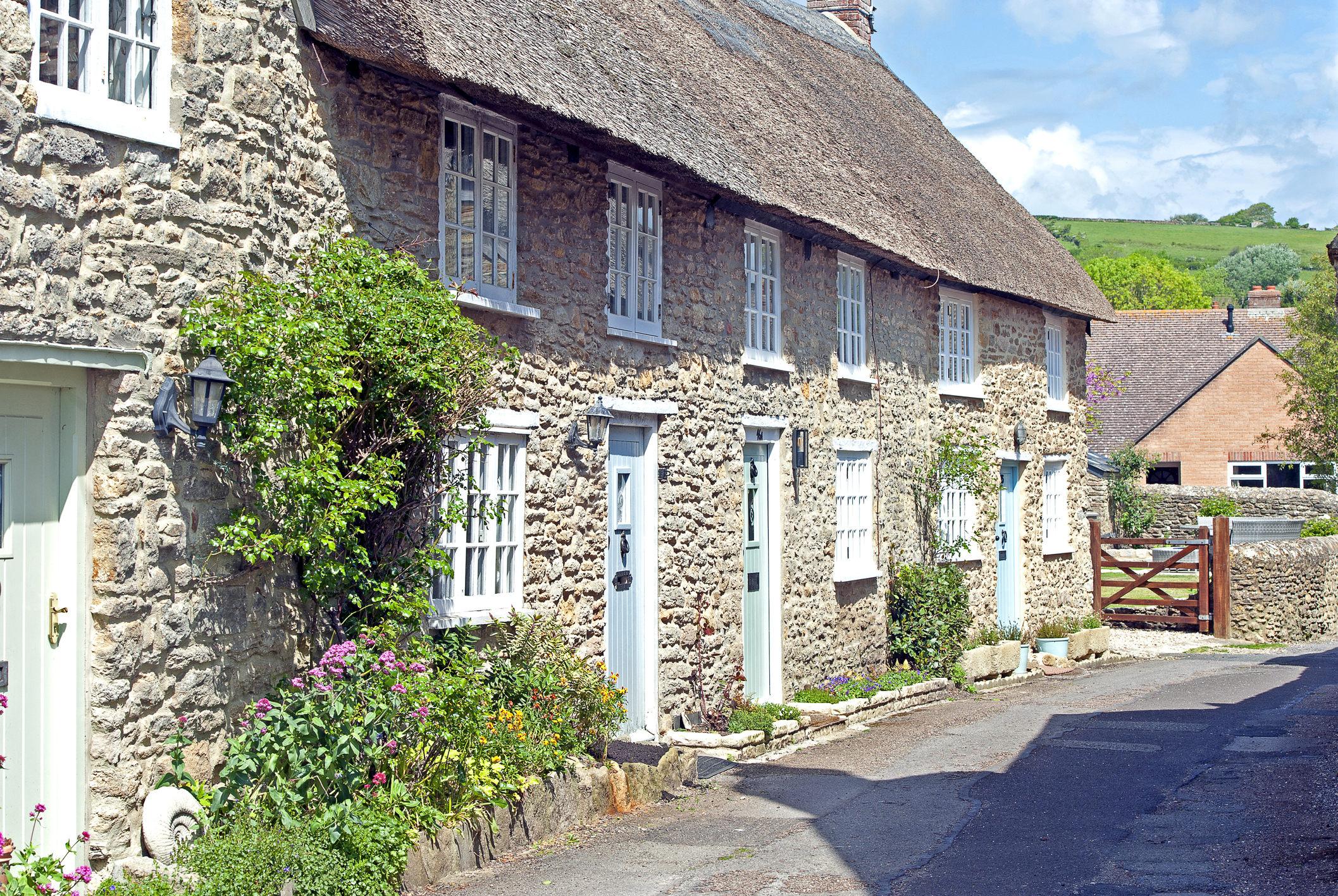
What we love about Burton Bradstock is that it feels like a genuine Dorset village. Its history isn’t confined to a single attraction or museum. Instead, it’s woven through the stone cottages, ancient lanes, farmland and coastline that have shaped village life for centuries.
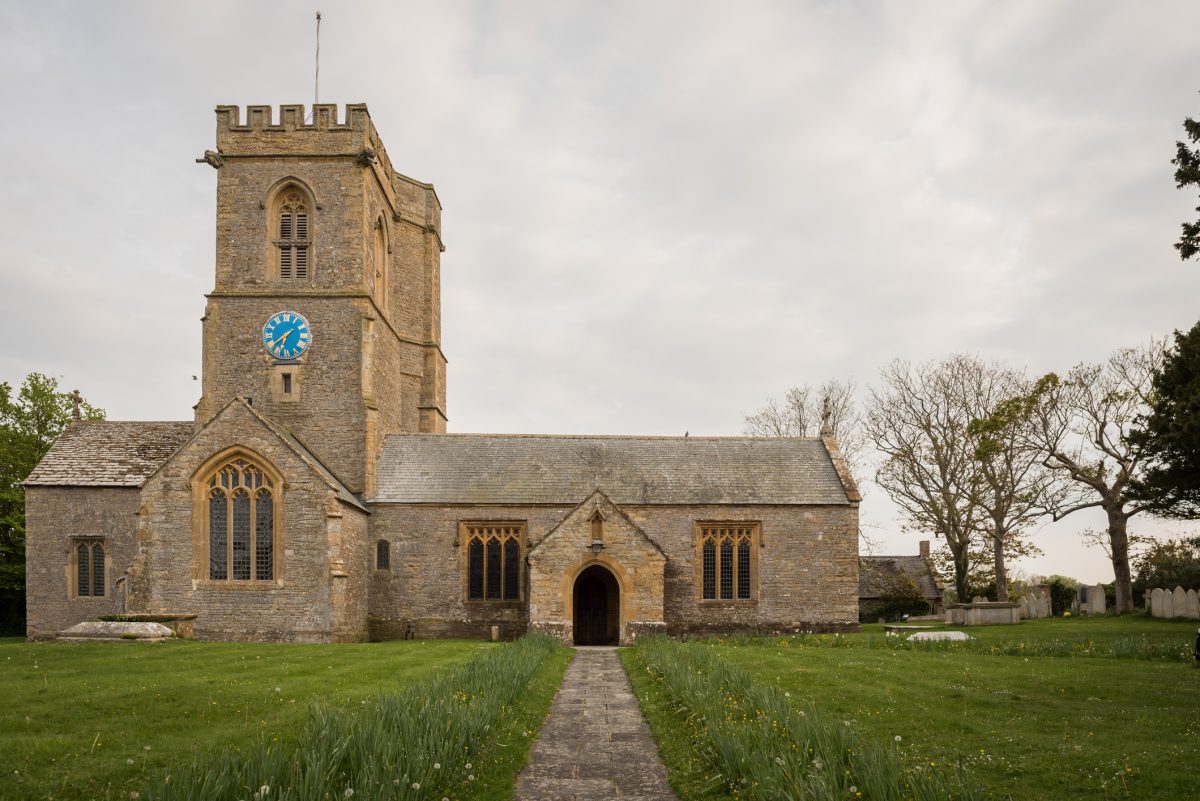
Wandering through the village today, it’s easy to imagine how little some parts have changed over the years. Honey-coloured cottages line quiet streets, traditional stone walls separate gardens from fields, and at the heart of it all stands St Mary’s Church, which has watched over the village for hundreds of years.
The church itself dates back to the 12th century, though much of what visitors see today reflects later additions and alterations. We always find it worth taking a few minutes to wander through the churchyard and admire the building. Like many Dorset churches, it tells the story of generations who lived and worked in the surrounding countryside.
Explore Burton Bradstock’s Heritage & History

St Catherine's Chapel
14th-century hilltop chapel with panoramic views over Chesil Beach.
WWII Pillar Box
World War II pillbox on a cliff above Hive Beach at Burton Bradstock
Abbotsbury Abbey Site
Abbotsbury Castle Earthworks
Ancient hillfort overlooking the Fleet and Chesil Beach.
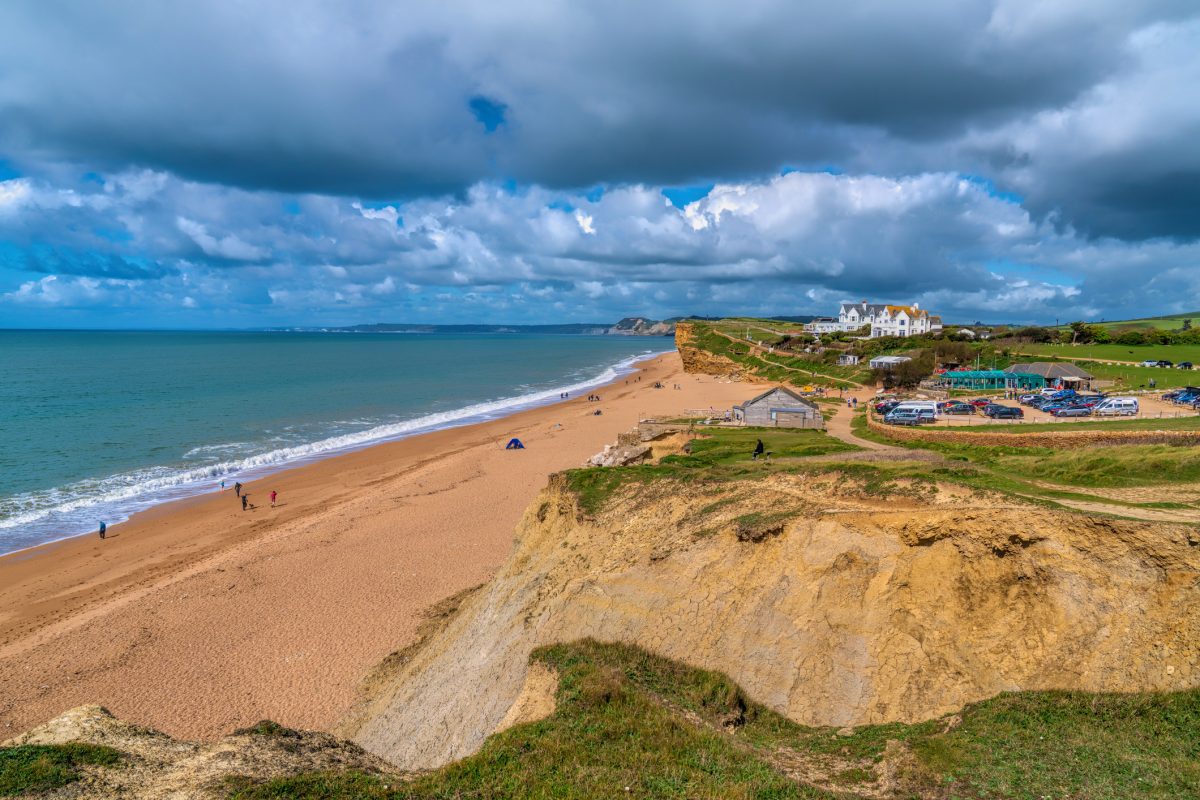
Perhaps Burton Bradstock’s greatest historical significance lies beneath your feet.
The village sits on Dorset’s Jurassic Coast, England’s only natural UNESCO World Heritage Site. The cliffs around Hive Beach reveal millions of years of geological history, with rock layers that tell the story of ancient seas, prehistoric creatures and dramatic changes in the landscape.
It’s one of the reasons fossil hunters, geologists and walkers have visited this stretch of coastline for generations.
Even if you’re not interested in geology, standing on the cliffs above Hive Beach and looking along the coast gives you a real sense of the forces that have shaped Dorset over millions of years.
Exploring Dorset’s Wider History
One of the advantages of staying in Burton Bradstock is that you’re surrounded by some of Dorset’s most fascinating historic sites.
Abbotsbury lies just a few minutes away and offers more than 1,000 years of history, with its Benedictine Abbey, St Catherine’s Chapel, Subtropical Gardens and famous Swannery.
Bridport, just a short drive from the village, has a rich history as a market town and rope-making centre. In fact, the town became internationally renowned for producing rope and nets for the Royal Navy.
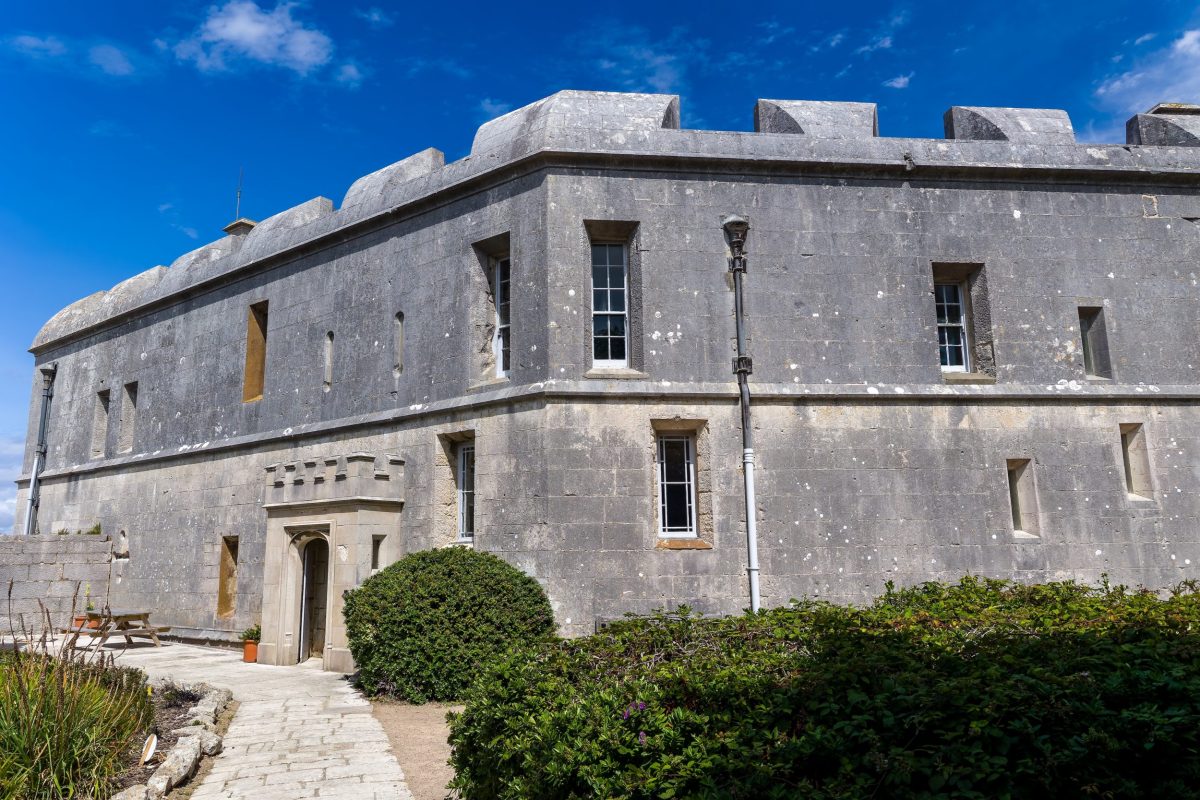
Further east, Weymouth and Portland offer a fascinating contrast. Within about 30 to 40 minutes, you can explore Nothe Fort, Portland Castle, Portland Bill and the D-Day Centre, discovering everything from Tudor coastal defences to Dorset’s important role in the Second World War.
Frequently Asked Questions
Burton Bradstock has medieval origins, with records of settlement dating back many centuries. The village has a long history linked to farming, fishing and the Dorset coastline.
Burton Bradstock is best known for Hive Beach, its location on the Jurassic Coast, its traditional Dorset village character and its spectacular coastal scenery.
Yes. St Mary’s Church sits at the heart of the village and dates back to the medieval period. It’s a lovely example of a traditional Dorset parish church and well worth a visit when exploring the village.
While Burton Bradstock lacks major attractions like nearby Abbotsbury, its historic village centre, church and Jurassic Coast setting offer plenty of heritage and character to explore.
Hive Beach forms part of Dorset’s Jurassic Coast, where millions of years of geological history are visible in the surrounding cliffs and coastline.
Yes. Burton Bradstock sits directly on the UNESCO World Heritage Jurassic Coast and is among the most popular places to explore this remarkable stretch of coastline.
Nearby historic attractions include Abbotsbury Abbey, St Catherine’s Chapel, Abbotsbury Swannery, Bridport, Nothe Fort, Portland Castle and the D-Day Centre.
Absolutely. While it may not have the major historic attractions of nearby Abbotsbury, Burton Bradstock offers beautiful village charm, Jurassic Coast scenery, coastal walks, and an authentic Dorset atmosphere that many visitors love.