
Discover Outdoor Activities in Lulworth Cove and Durdle Door
Walking, Kayaking and Outdoor Adventures on Dorset’s Jurassic Coast
Whenever we visit Lulworth, we’re rarely standing still for long. Whether it’s walking to Durdle Door, paddling across the calm waters of the cove or following the South West Coast Path towards quieter corners of the Jurassic Coast, this is one of Dorset’s best places for outdoor adventures. If you’re spending a few days in one of our Lulworth holiday cottages, you’ll have plenty of opportunities to explore this remarkable coastline. And for guests staying elsewhere in our collection of Dorset holiday cottages, it’s somewhere we’d recommend making time for, even if you’re only visiting for the day.
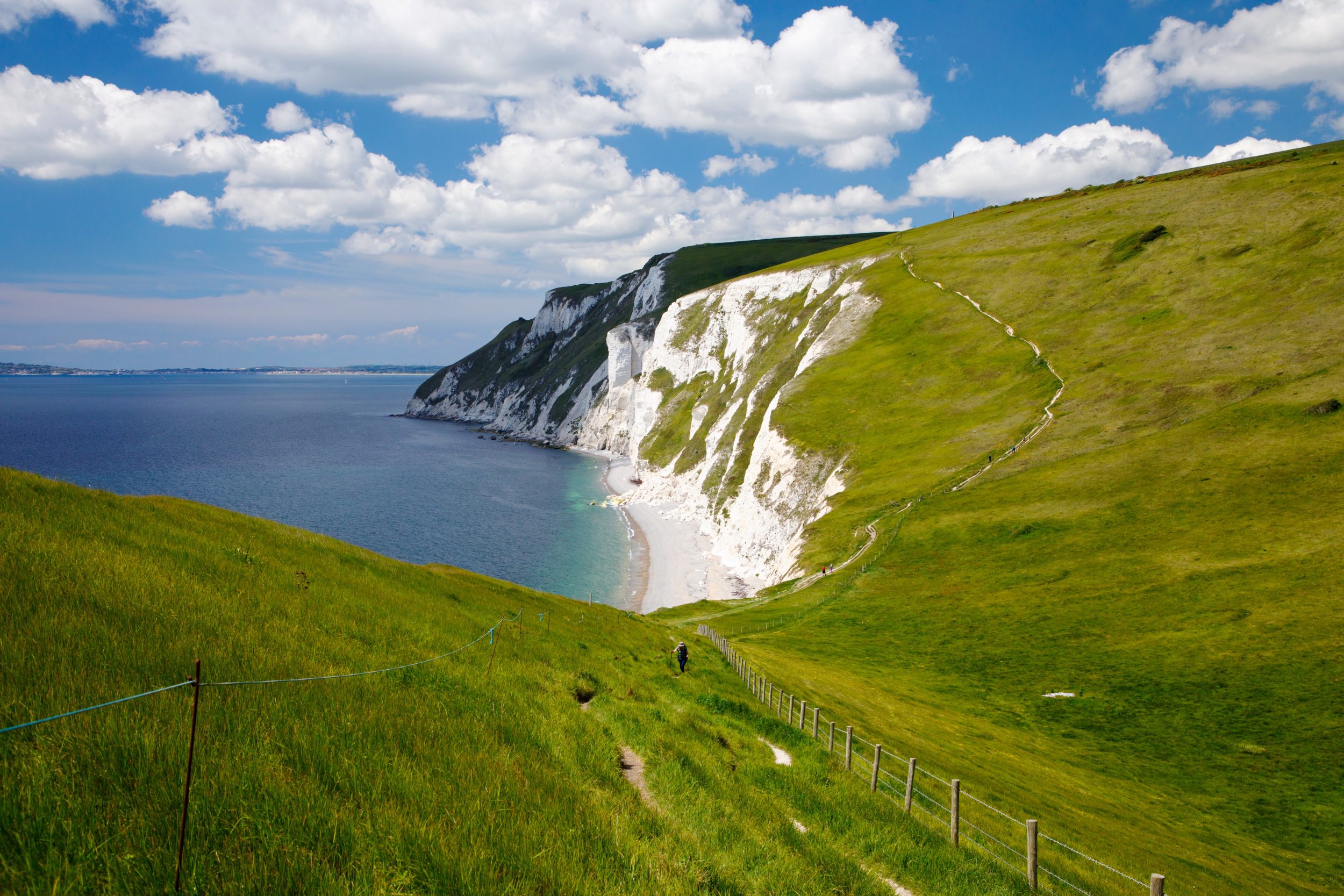
Much of what makes Lulworth special is its outdoor scenery. The walk from Lulworth Cove to Durdle Door takes around 30–45 minutes, depending on your pace and how often you stop to admire the views. The route begins with a steep climb from the cove, passing viewpoints towards Stair Hole before following the South West Coast Path across the cliffs to Durdle Door. From the headland, you can also look down towards neighbouring Man O’ War Cove. If you’d prefer a shorter approach, the Durdle Door Holiday Park car park offers a more direct route, although the paths are still steep in places.
Explore Activities in Lulworth

Lulworth Activities
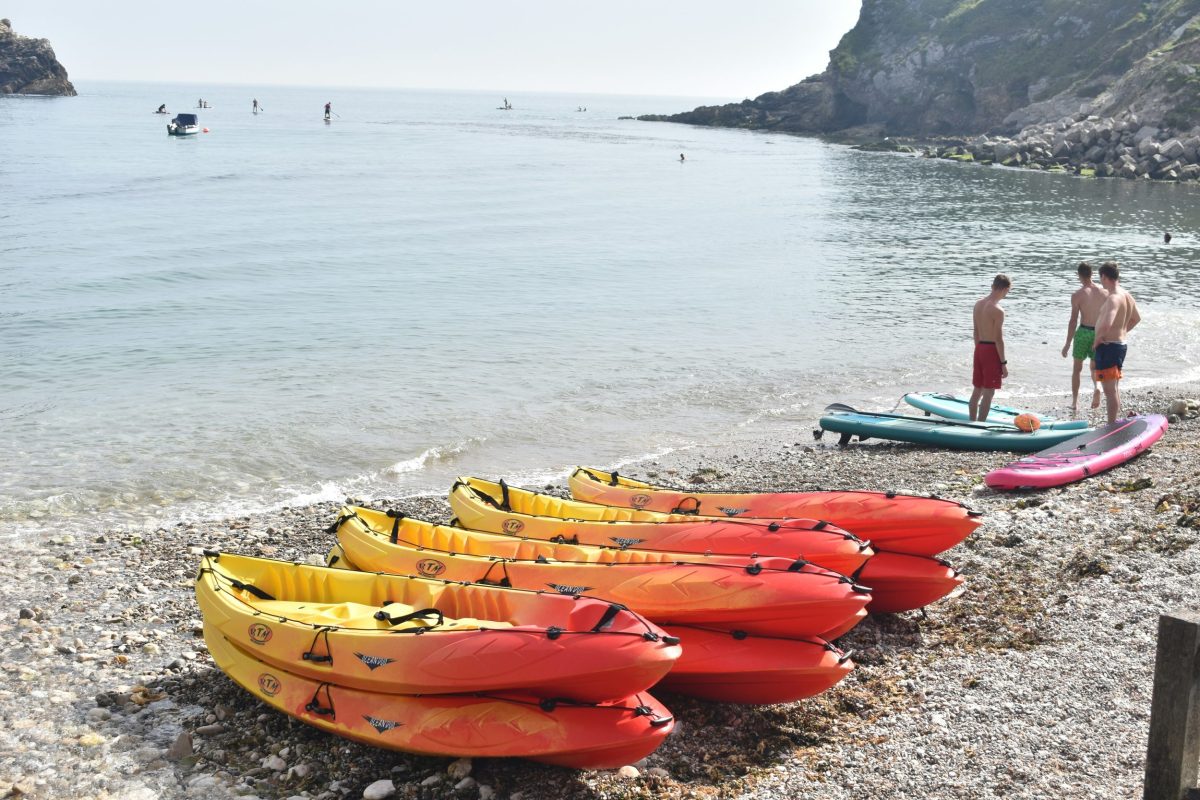
Experience Lulworth Cove and Durdle Door with kayaking and paddleboarding adventures
Fossil Forest
Fossil Forest near Lulworth Cove, where the remains of a 145-million-year-old forest offer a fascinating glimpse into Dorset's prehistoric past.
Jurassic rib rides
Rib boat ride
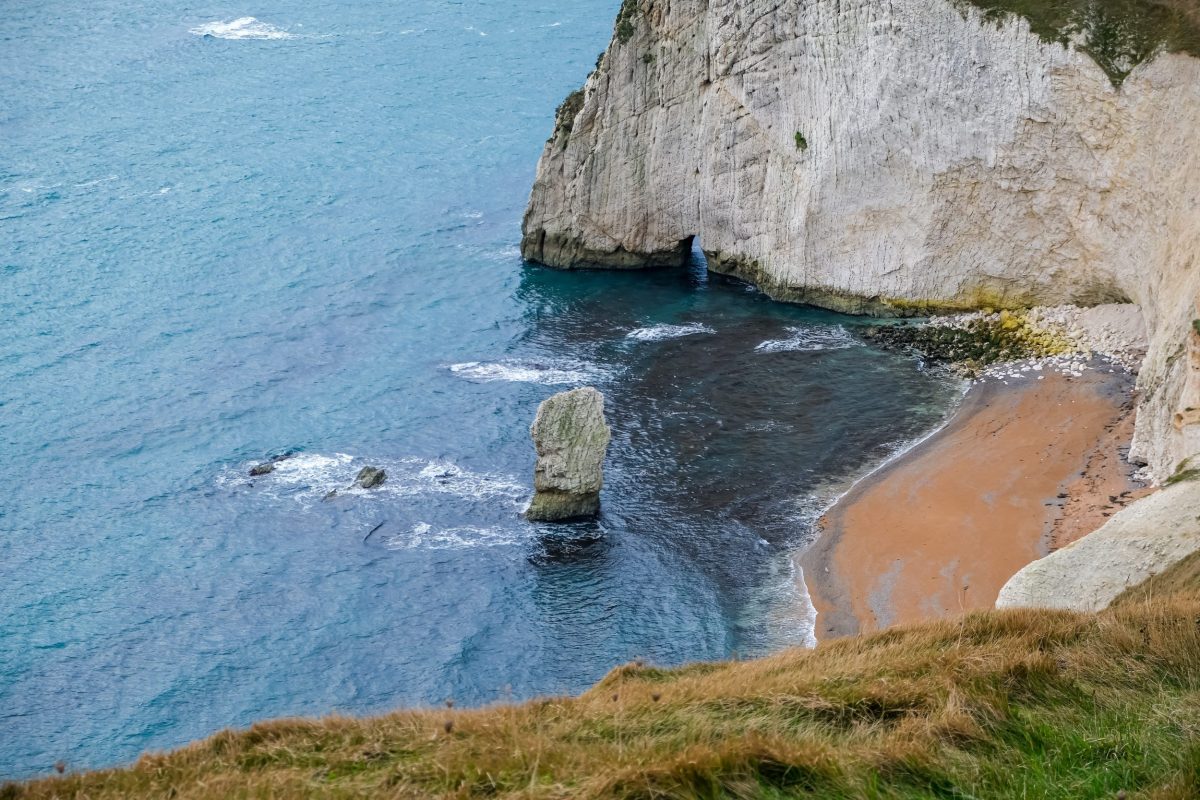
Whatever your direction, it’s worth noting that there’s a steep descent to the beach, with steps leading to the shoreline. If you’d rather stay up high, you can also enjoy the iconic limestone arch from the cliff tops. It’s one of Dorset’s must-see sights.
Beyond this route, there are many walks along the South West Coast Path, with starting points around the cove, making it easy to choose a section that fits how far you want to go. Seeing Durdle Door from the water is a completely different experience, too. Guided kayak tours leave directly from the cove and paddle beneath towering cliffs towards the famous limestone arch, giving you a perspective that’s impossible to appreciate from the footpath above. Of course, you don’t have to take to the water to appreciate this coastline. Some of our favourite views are from the paths above the beaches, particularly around Man O’ War Cove and Stair Hole. If you’re deciding which stretches of coast to explore, our guide to beaches around Lulworth Cove is a good place to start.
One of Dorset’s lesser-known natural wonders is the Fossil Forest, hidden along the coastline east of Lulworth Cove. Reached on foot from Lulworth via the South West Coast Path (when the military ranges are open), it preserves the fossilised remains of a 145-million-year-old forest, making it one of the Jurassic Coast’s most remarkable geological sites. Although the walk is a little longer, it’s one we always recommend to anyone with an interest in Dorset’s natural history.
Why We Love Exploring Lulworth
What keeps drawing us back to Lulworth is the variety of outdoor experiences packed into such a small area. One visit might be a walk to Durdle Door, another exploring the fascinating Fossil Forest, while another day is all about discovering the nearby Tyneham Village and walking down to the beautiful Worbarrow Bay. Sometimes we’ll simply sit on the cliffs watching kayakers below before finishing the day with fish and chips by the cove. It’s one of those places where every visit feels slightly different.
And after a day on the coast, there’s nothing quite like finding somewhere good to eat. From coffee overlooking the cove to traditional pubs in the surrounding villages, we’ve shared some of our favourites in our guide to eating and drinking in Lulworth.
Frequently Asked Questions
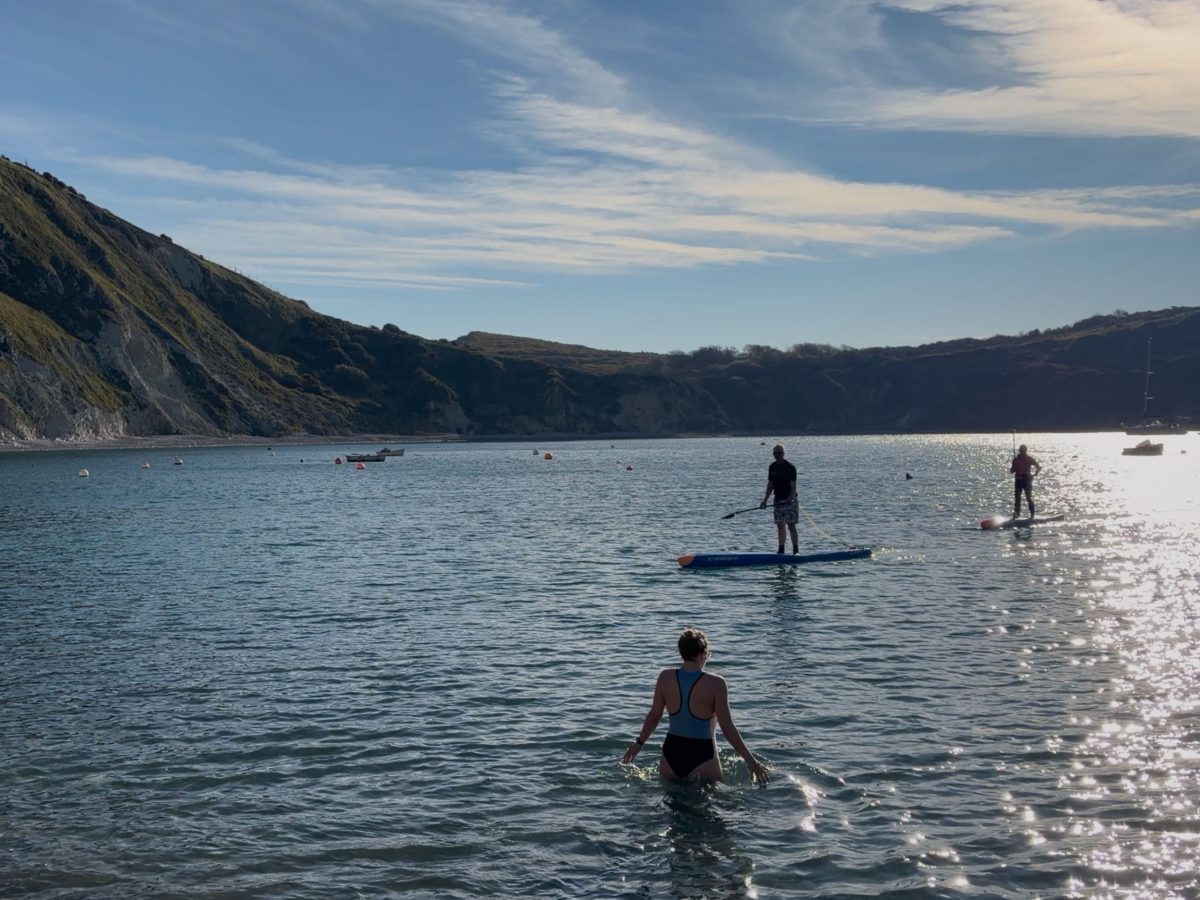
Yes. Guided kayaking tours depart directly from Lulworth Cove and are one of the best ways to experience the Jurassic Coast. As well as paddling towards Durdle Door, many tours explore the dramatic cliffs and hidden coves that can’t be appreciated from the footpaths above. If you already have experience, paddleboarding is another popular way to enjoy the calm waters on quieter days.
Yes. Swimming is permitted at Lulworth Cove and the sheltered bay is often calmer than many other beaches along the Jurassic Coast. However, the beach is not lifeguarded, the water deepens quite quickly in places, and sea conditions can change unexpectedly. Always check local conditions before entering the water and take extra care if swimming with children.
Absolutely. The walk to Durdle Door is the most famous, but there are plenty of other excellent routes. You can follow the South West Coast Path towards Stair Hole and Man O’War Bay, or, when the military ranges are open, continue to the remarkable Fossil Forest. Every route rewards you with spectacular views across Dorset’s Jurassic Coast.
Lulworth Cove is a fascinating place to learn about Dorset’s prehistoric past, although it’s better known for its remarkable rock formations than as a fossil-hunting destination. Much of the surrounding coastline is protected for its geological importance, so visitors should follow local guidance and avoid damaging the cliffs or removing fossils where collecting is restricted.
For a particularly memorable glimpse into the Jurassic period, we’d recommend visiting the nearby Fossil Forest, where the remains of ancient trees can still be seen when the military ranges are open.
If you’re keen to find fossils for yourself, some other stretches of the Jurassic Coast offer better opportunities. We’ve shared our favourite locations, along with practical advice on where to look and how to collect responsibly, in our guide to fossil hunting in Dorset.
Lulworth is one of Dorset’s best destinations for outdoor adventures. Walking the South West Coast Path, kayaking beneath the cliffs, paddleboarding in the sheltered waters of the cove and exploring the remarkable Fossil Forest are all highlights. Boat trips and wildlife cruises also offer a completely different perspective of this spectacular stretch of the Jurassic Coast.
If you’re planning a few days of walking, kayaking and exploring the Jurassic Coast, staying nearby means you can make the most of the area without rushing from one activity to the next.
Our Lulworth holiday cottages collection includes a beautifully furnished, dog-friendly cottage in Winfrith Newburgh, just a short drive from Lulworth Cove and Durdle Door. It’s a lovely base for days spent exploring the coast, with a peaceful village setting to return to afterwards.
For families and couples who’d also like activities on their doorstep, our Silverlake Estate Collection is another excellent option. Approximately 20–30 minutes from Lulworth Cove by car, depending on traffic, it offers kayaking, paddleboarding, cycling, tennis, woodland walks and a heated outdoor swimming pool, making it easy to combine adventures on the Jurassic Coast with time enjoying the estate itself.
Yes. The walk from Lulworth Cove to Durdle Door takes around 45 minutes each way at a steady pace. Along the route you’ll pass Stair Hole and Man O’War Bay, with spectacular views across the Jurassic Coast. The final descent to Durdle Door beach is steep, but if you prefer, you can enjoy the famous limestone arch from the clifftop without climbing down to the shore.
Definitely. Hidden beyond Lulworth Cove, Fossil Forest is one of Dorset’s lesser-known natural wonders. The site preserves fossilised tree remains dating back around 145 million years, offering a fascinating glimpse into the Jurassic world. Because it’s located within the MOD’s Lulworth Ranges, access is only possible when the range walks are open to the public, so it’s always worth checking the latest opening times before you visit. You can find the latest information on the official Lulworth Estate Fossil Forest page. If you can time your visit right, it’s one of the most remarkable geological sites on the Jurassic Coast.
Yes. Lulworth offers some of the finest coastal walks in Dorset for visitors with dogs. The South West Coast Path around Lulworth Cove, Stair Hole and towards Durdle Door provides spectacular scenery throughout the year. For another favourite of ours, visit Tyneham Village and enjoy the walk down to Worbarrow Bay. If you’re planning a holiday with your dog, our collection of dog-friendly holiday cottages provides an excellent base for exploring this beautiful stretch of coastline.
Yes. Guided kayaking tours are suitable for beginners and provide all the equipment and instruction you’ll need. They’re a fantastic introduction to sea kayaking and one of the best ways to experience Durdle Door, the cliffs and the Jurassic Coast from the water.