
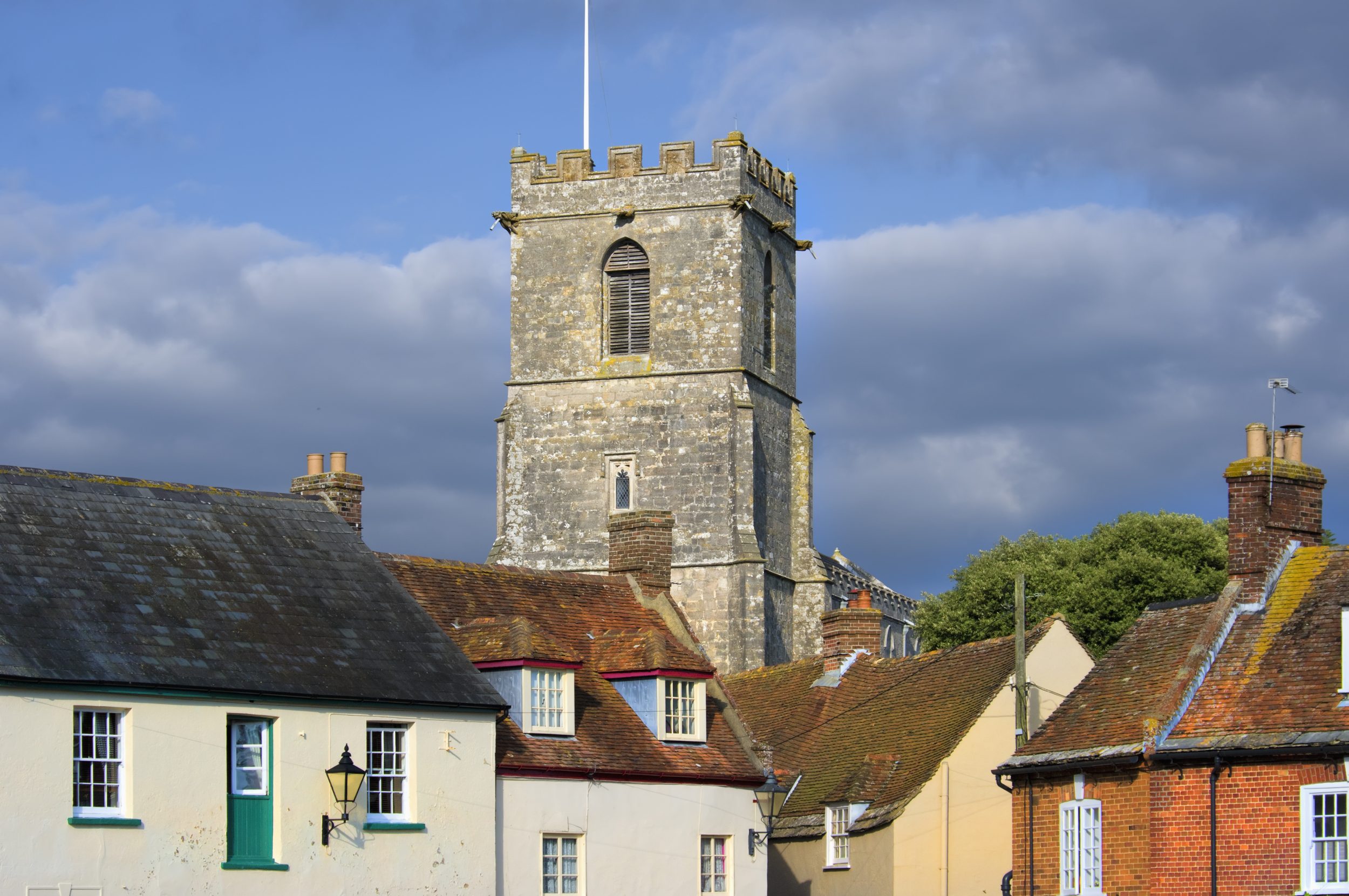
Exploring the History of Wareham
Discover Wareham’s History, Heritage and Saxon Past
For anyone interested in Dorset’s past, Wareham is one of the county’s most rewarding places to explore. Long before visitors travelled through on their way to the Jurassic Coast, Wareham was one of England’s most important Saxon towns, protected by impressive earth ramparts that still surround much of the town today.
Whether you’re staying in one of our holiday cottages in Dorset or visiting for the day, Wareham offers a fascinating introduction to the history of Purbeck. From Saxon defences and medieval churches to riverside walks and museums, it’s the perfect starting point for discovering centuries of Dorset heritage.
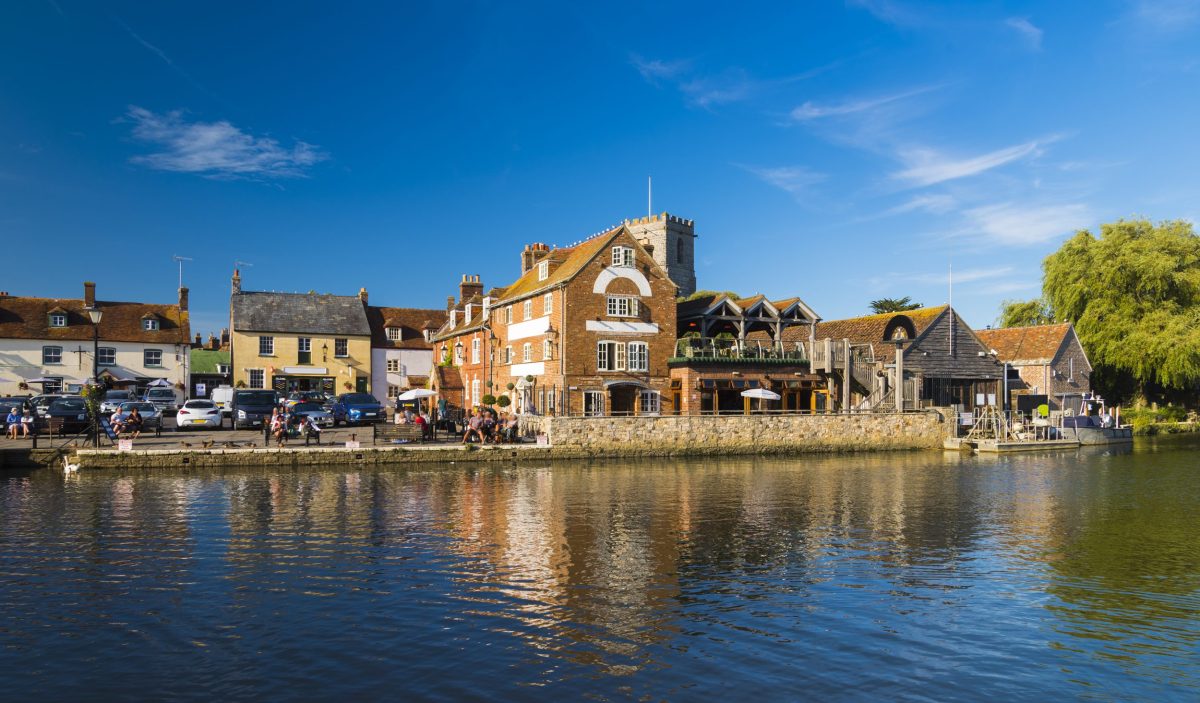
Walking the Saxon walls remains one of our favourite things to do in Wareham. The circular route is easy to follow and offers wonderful views across the River Frome, the surrounding countryside and the rooftops of the old town. We’ve walked it countless times over the years, often finishing with lunch beside the quay.
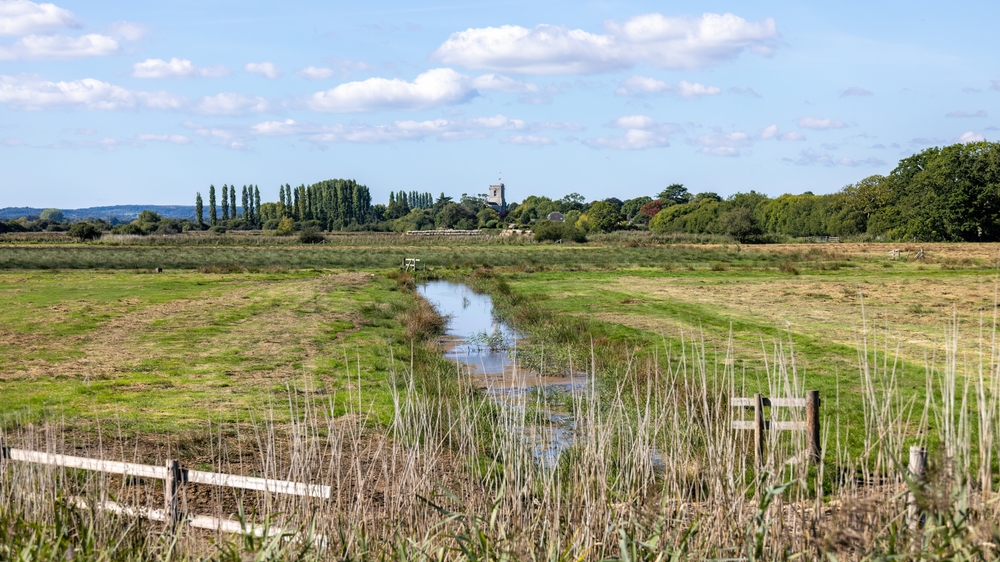
Explore Wareham’s Heritage & History

Wareham Town Walls
Saxon defensive earthworks forming a circular walk.
History lovers should also look beyond the town itself. Just a short drive from Wareham you’ll find Clouds Hill, the modest woodland retreat of T. E. Lawrence, better known as Lawrence of Arabia. Preserved by the National Trust, his cottage offers a fascinating insight into one of Britain’s most remarkable historical figures and makes an excellent addition to a day exploring Wareham and Purbeck.
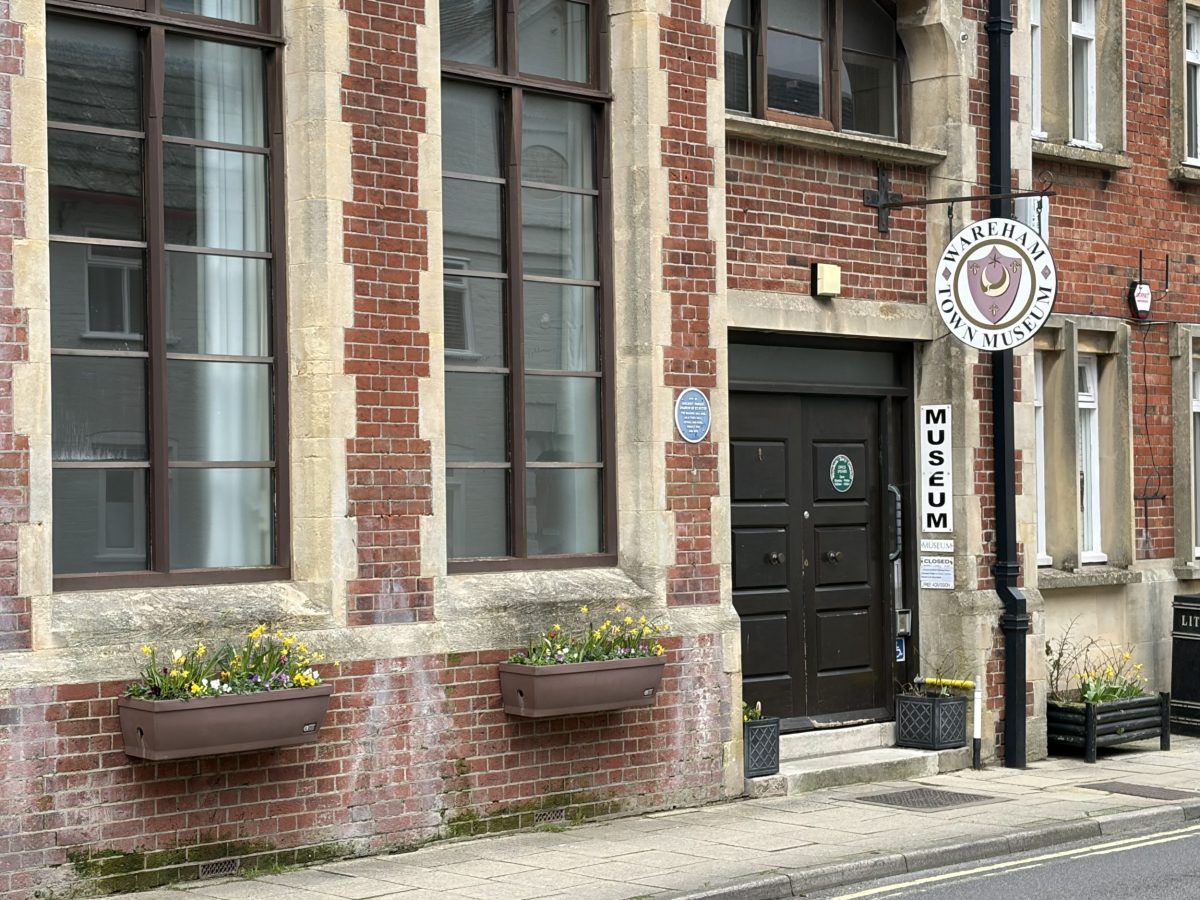
Wareham Town Museum provides an excellent introduction to the area’s history, telling the story of the town from prehistoric Dorset through the Saxon period and beyond. The museum also includes displays about Lawrence of Arabia, helping visitors understand why Wareham occupies such an important place in Dorset’s story.
Wareham’s story stretches back thousands of years, from prehistoric settlements beside the River Frome to its importance as a fortified Saxon town. Medieval churches, Georgian buildings and nearby Second World War landmarks all add further chapters, making Wareham one of Dorset’s richest historic destinations.
Why We Love Wareham’s History
One of the reasons we recommend Wareham to guests is its location. Within a short drive you can explore the medieval ruins of Corfe Castle, discover the abandoned village of Tyneham, visit Studland’s fascinating Second World War heritage, uncover Dorset’s prehistoric past at The Etches Collection in Kimmeridge, stand beside 140-million-year-old dinosaur footprints at Keates Quarry, or explore world-class collections at musuems in Dorchester. Few places in Dorset provide such easy access to so many remarkable historic sites.
We love that Wareham’s history isn’t hidden away behind museum walls. It’s part of everyday life. Whether you’re walking the ancient earthworks, wandering beside the river or exploring the historic streets, the town still feels closely connected to its Saxon past. And every visit seems to reveal another story waiting to be discovered.
Frequently Asked Questions
Wareham is famous for its remarkably well-preserved Saxon town walls, historic riverside setting and its role as the Gateway to Purbeck. The town’s history stretches back over 1,000 years, with ancient earth ramparts, medieval churches and historic streets that are still easy to explore today. Its location beside the River Frome also makes it one of Dorset’s most attractive historic market towns.
Absolutely. The Saxon town walls are among the best-preserved earthwork defences in England and provide an easy circular walk with wonderful views across the River Frome, Wareham Quay and the surrounding countryside. We’ve walked them countless times over the years and they’re one of the simplest ways to appreciate both Wareham’s history and its beautiful setting.
Yes. Wareham is an excellent place to explore with a dog. The Saxon walls, riverside footpaths and surrounding countryside offer plenty of scenic walks, while many cafés and traditional pubs welcome four-legged visitors. If you’re planning a break with your dog, our collection of dog-friendly holiday cottages provides an excellent base for exploring Wareham and the wider Isle of Purbeck.
Wareham is perfectly positioned for exploring some of Dorset’s most fascinating historic places. Nearby you’ll find the medieval ruins of Corfe Castle, the abandoned village of Tyneham, the Second World War history of Studland, Clouds Hill, the former home of Lawrence of Arabia, and the beautiful woodland walks surrounding The Blue Pool. Together they tell the remarkable story of Dorset from medieval times through to the twentieth century.
Wareham’s Saxon walls are among the finest surviving town defences in England. Built during the reign of King Alfred the Great to protect the town from Viking attacks, they still encircle much of Wareham today. Walking these ancient earthworks offers a fascinating glimpse into one of England’s most important Saxon settlements.
T. E. Lawrence, better known as Lawrence of Arabia, was one of Britain’s most famous military figures and writers. His former retreat, Clouds Hill, is just a short drive from Wareham and is now cared for by the National Trust. Preserved much as he left it, the cottage provides a fascinating insight into his life and makes an excellent addition to a day exploring Wareham and Purbeck.
Definitely. Wareham offers one of the richest historical experiences in Dorset. Walk the Saxon town walls, visit Wareham Town Museum, explore the town’s historic churches and enjoy the peaceful setting around Wareham Quay. It’s also an excellent starting point for discovering many of Purbeck’s most important historic sites.
Some of Dorset’s most fascinating historic attractions are only a short drive from Wareham. Explore the medieval ruins of Corfe Castle, discover Studland’s wartime history, visit the abandoned village of Tyneham, enjoy the traditional seaside heritage of Swanage, or explore the outstanding collections at the museums in Dorchester. If you’re interested in Dorset’s prehistoric past, don’t miss The Etches Collection in Kimmeridge and the remarkable dinosaur footprints at Keates Quarry, both featured in our guide to Family Days Out on Dorset’s Jurassic Coast. For even more inspiration, our guide to Extraordinary Places to Visit in Dorset showcases some of the county’s most remarkable landmarks, hidden gems and unforgettable places to explore.
If you’re looking for holiday cottages in Dorset close to Wareham, many guests choose our Silverlake Estate Collection. Perfectly positioned for exploring Wareham, Corfe Castle, Tyneham, Studland, Clouds Hill, The Tank Museum and the wider Jurassic Coast, it’s an excellent base for discovering Dorset’s remarkable history before returning to peaceful lakeside surroundings.