
The Curated Guide to Dorset's Most Extraordinary Places
Most visitors come to Dorset to see the same well-known landmarks.
They stand beneath the towering limestone arch at Durdle Door, wander around picturesque Lulworth Cove, spend the day on Weymouth’s award-winning beach, or explore the historic ruins of Corfe Castle. And rightly so, they’re among England’s most spectacular places.
But what if we told you there was another side to Dorset?
A Dorset of mysterious stone circles set above dramatic cliffs. Ancient churches perched high on lonely hilltops. Forgotten villages where time seems to have stood still. Strange sculptures carved into abandoned quarries. Secret fossil forests, mysterious military ruins and breathtaking viewpoints that many visitors simply drive past.
Having lived in Dorset for many years, we’ve spent countless weekends exploring beyond the guidebooks. Some of our favourite discoveries have happened completely by accident, whether by taking a different footpath, following a local’s recommendation, or simply wondering what lay over the next hill.
This guide brings together some of the places we genuinely love returning to. They’re places we’ve explored ourselves, often with our dog, Smarty, iPhone in hand, and usually with a great café, country pub or scenic walk included along the way.
If you’re staying at one of our Dorset holiday cottages and looking to experience a different side of Dorset, here are the extraordinary places that deserve a place on your holiday itinerary.
Woodhenge & St Aldhelm’s Chapel, Worth Matravers
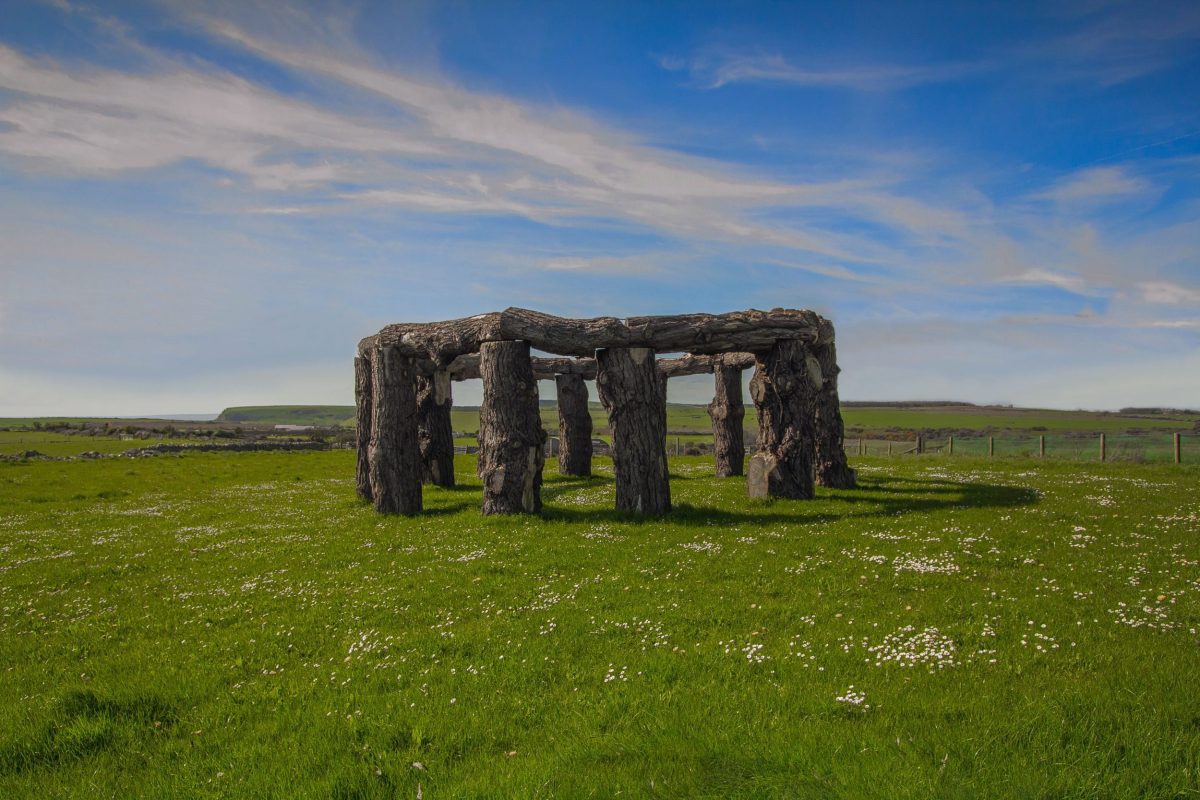
A mysterious stone circle, dramatic Jurassic Coast cliffs and one of our favourite walks in Dorset
If somebody mentioned Woodhenge, you’d probably think of Wiltshire.
Few people realise that Dorset has its own version.
Hidden on the edge of the picturesque village of Worth Matravers is a fascinating modern interpretation of the ancient monument. Built from enormous timber posts, Woodhenge sits quietly, overlooking the surrounding countryside, and has become one of Dorset’s most unusual landmarks. It’s not somewhere you’ll find coach parties or crowds of visitors, which is exactly why we love it.
For us, though, Woodhenge is only the beginning of the adventure.
Whenever we visit, we park in Worth Matravers before setting off on what we consider one of the finest circular walks on the Jurassic Coast. From the village, the footpath leads to the dramatic cliffs around Winspit Quarry, a spectacular former stone quarry made famous by television and film, including Doctor Who. Standing on the cliff tops, looking out across the English Channel, it’s easy to see why this stretch of coastline is part of the UNESCO World Heritage Jurassic Coast.
From Winspit, we continue along the South West Coast Path towards the peaceful cove at Seacombe, enjoying breathtaking coastal views almost every step of the way, before looping back inland towards Worth Matravers.
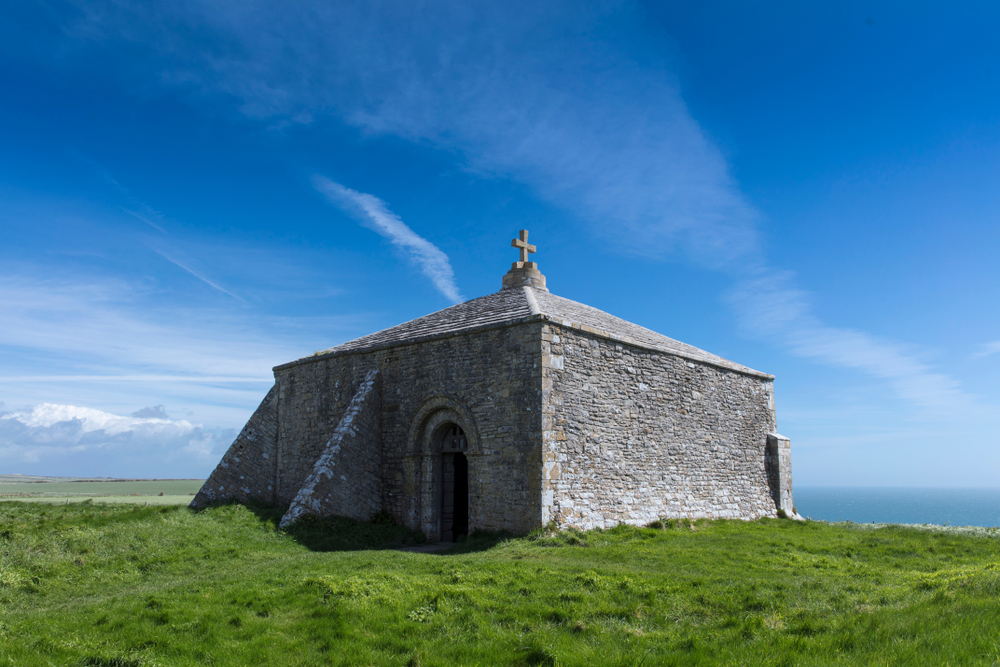
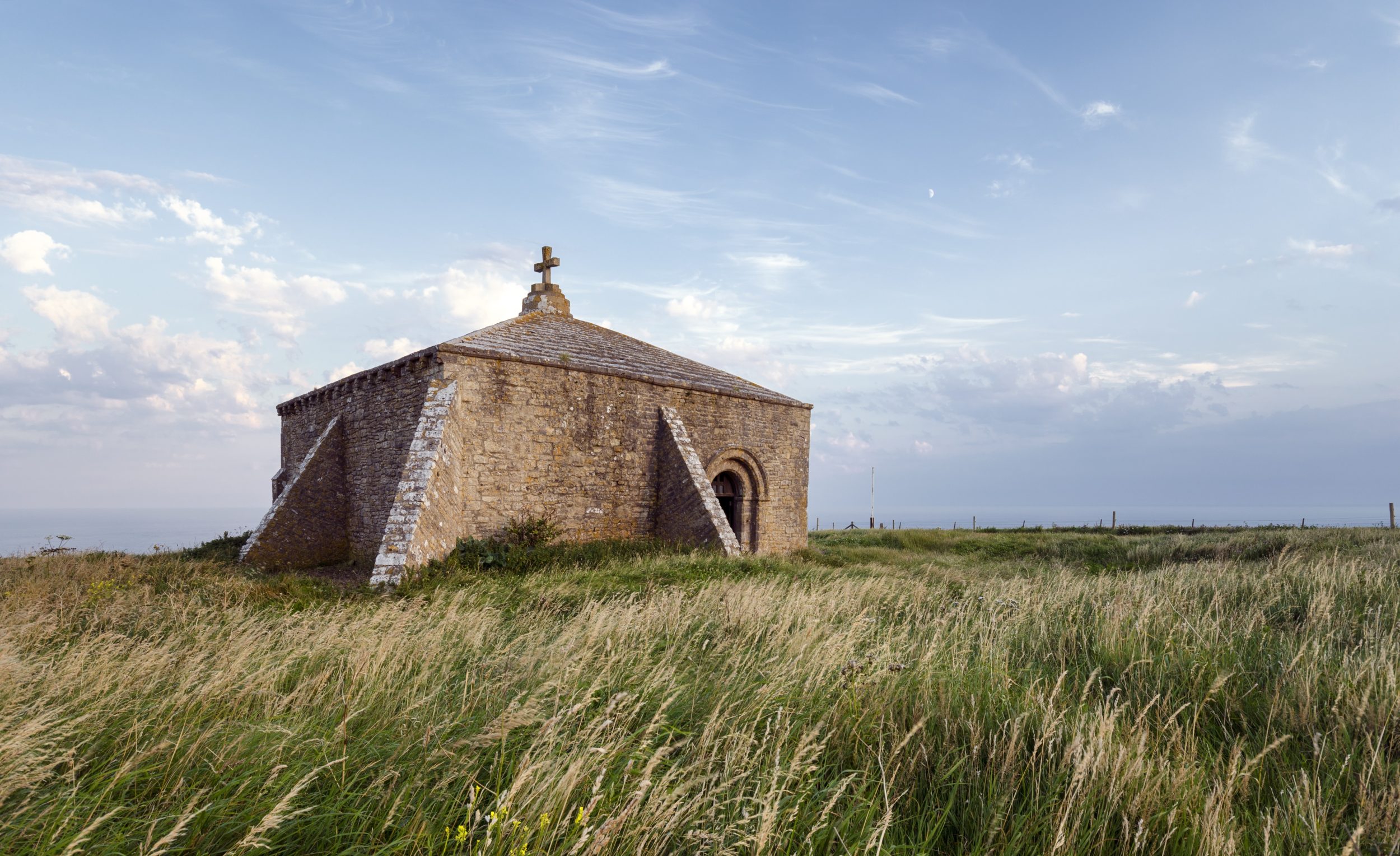
If you have time, don’t miss St Aldhelm’s Chapel, one of Dorset’s most remarkable little churches. Perched dramatically on the cliffs at St Aldhelm’s Head, this tiny Norman chapel has watched over sailors for almost 900 years. Set amid open grassland, crashing waves and endless sea views, it feels wonderfully remote and is one of those places that leaves a lasting impression long after you’ve left.
Back in Worth Matravers, there’s only one way we like to end the day.
A homemade pasty and a locally brewed pint at the wonderfully quirky Square & Compass.
Known affectionately by many locals as “The Pasty Pub”, it’s unlike anywhere else in Dorset. Built from traditional Purbeck stone and complete with its own tiny museum, it perfectly captures the character of this beautiful corner of the county. Sitting outside after the walk, looking back at the sea and the surrounding countryside, is one of our favourite ways to spend a sunny afternoon.
Perfect for: Walkers • Dog owners • Photographers • History lovers • Jurassic Coast explorers
Distance: Approximately 6 miles circular
Allow: Half a day, or longer if you stop for lunch at The Square & Compass.
The Fossil Forest, Lulworth
An ancient Jurassic landscape hidden just beyond Lulworth Cove
Thousands of people visit Lulworth Cove every year, yet surprisingly few make the short walk to one of Dorset’s most remarkable geological treasures.
Hidden away on the cliffs above the sea lies the Fossil Forest, one of the most extraordinary places along the Jurassic Coast, a place that feels almost untouched by time.
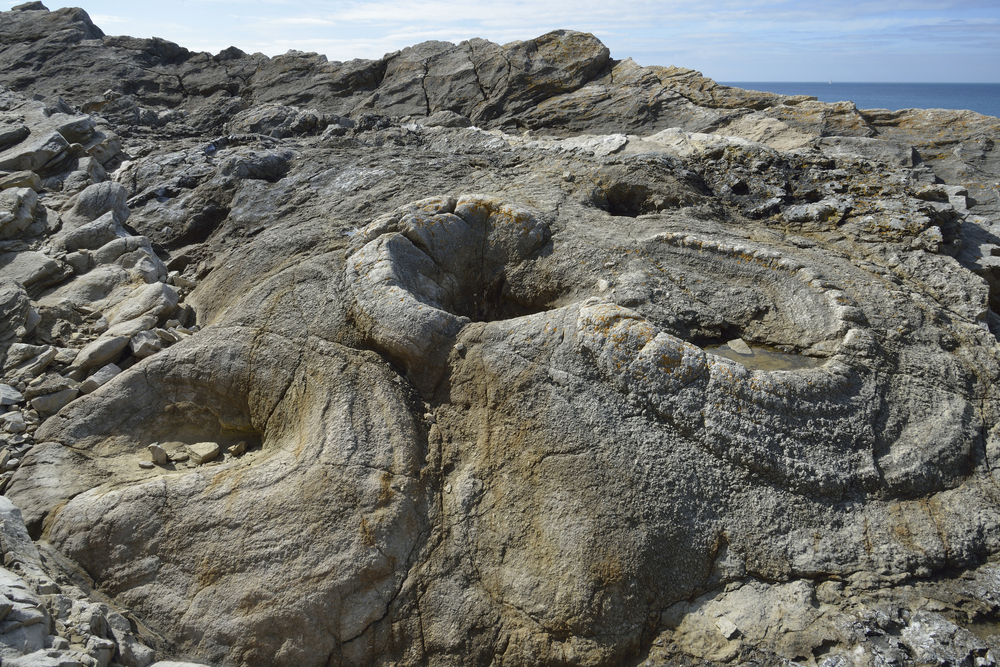
Unlike the fossil-rich beaches for which Dorset is famous, this isn’t a forest in the traditional sense. Instead, you’ll discover the fossilised remains of ancient tree stumps, preserved in the limestone after the trees grew here around 145 million years ago. Standing among them, it’s incredible to imagine a time when this coastline looked completely different, long before the English Channel even existed.
For us, this is one of those walks that perfectly blends spectacular scenery with fascinating history.
We usually start in West Lulworth, making our way through the village before following the footpath towards the cliffs. The route climbs gently, rewarding you with magnificent views back across Lulworth Cove before continuing to the Fossil Forest itself. Along the way, you’ll pass some of the Jurassic Coast’s most dramatic scenery, and it’s worth taking your time to stop and simply admire the ever-changing colours of the sea below.
Although the walk is relatively straightforward, it feels adventurous. Every time we visit, we’re reminded of how special this stretch of coastline is.
Afterwards, we almost always head back into the village.
If we’re looking for lunch or a well-earned drink, one of our favourite stops is The Lulworth Cove Inn, where the spacious outdoor seating makes it the perfect place to relax after the walk. It’s also dog-friendly, so Smarty is always as pleased to arrive as we are.
If we’ve started the day a little earlier, you’ll often find us at The Boat Shed Café. Their breakfasts are among our favourite breakfasts anywhere in Dorset, and it’s become one of those places we look forward to visiting just as much as the walk itself.
It’s this combination of incredible scenery, fascinating geology and welcoming places to eat afterwards that makes the Fossil Forest one of our favourite hidden corners of Dorset.
Curated Tip: Visit early in the morning or later in the afternoon if you can. The light across the cliffs is beautiful, the paths are much quieter than at midday, and you’ll often have long stretches of the walk almost entirely to yourself.
Perfect for: Walkers • Geology enthusiasts • Photographers • Couples • Jurassic Coast explorers
Distance: Around 3.5 miles return from West Lulworth.
Allow: Two to three hours, leaving plenty of time to enjoy breakfast at The Boat Shed or lunch at The Cove Inn afterwards.
The Memory Stones & Tout Quarry Nature Reserve, Portland
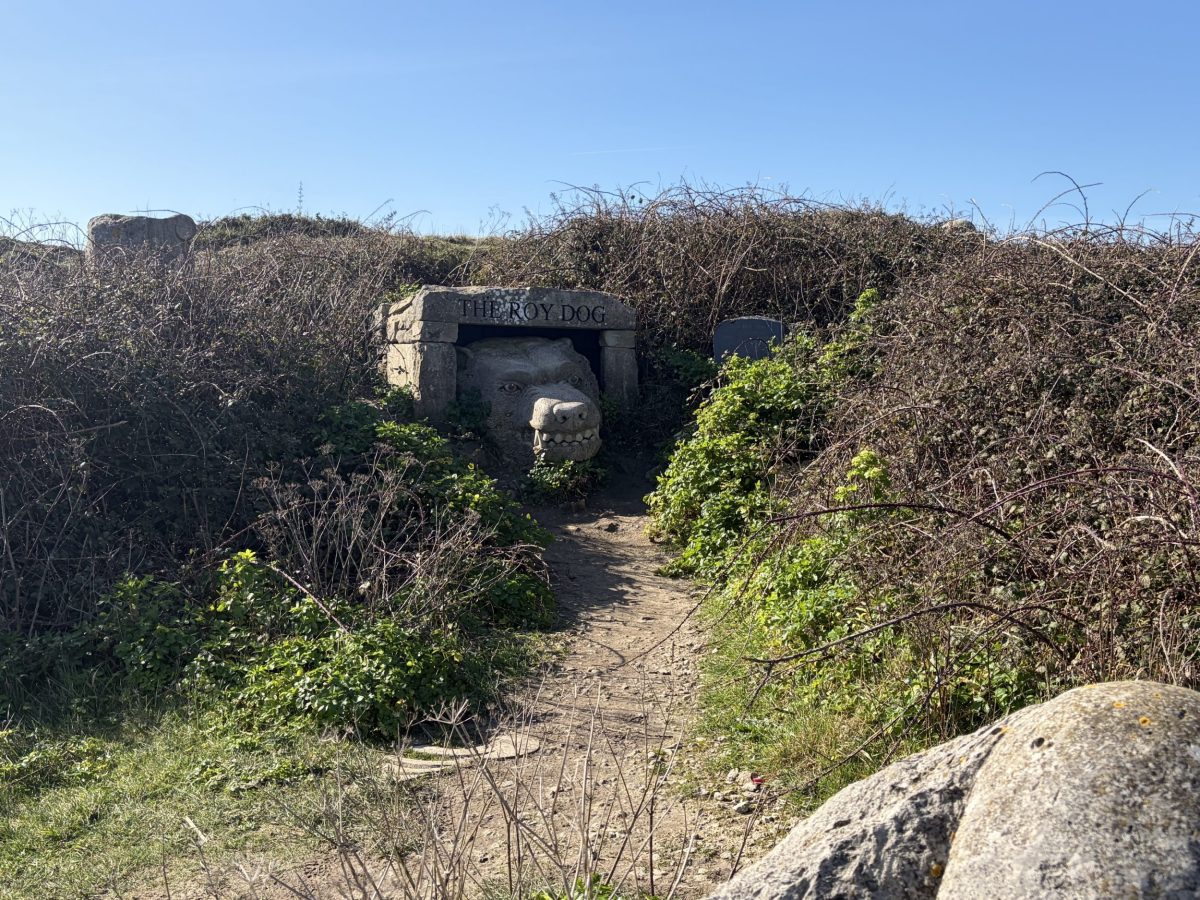
Extraordinary sculptures, breathtaking views and one of Dorset’s most inspiring landscapes
If you’re looking for somewhere that feels completely different from the rest of Dorset, head to the Isle of Portland.
Famous for its rugged coastline and world-renowned Portland Stone, this windswept island has a character all its own. Yet hidden among the old quarry workings lies one of our favourite places to explore , Tout Quarry Nature Reserve and Sculpture Park, home to the remarkable Memory Stones.
Scattered throughout the former quarry are dozens of sculptures carved directly into the Portland Stone. Some appear almost hidden amongst the rocks, while others stand proudly overlooking the dramatic coastline. Together, they create an open-air gallery unlike anywhere else in Dorset, where art, history and nature blend seamlessly.
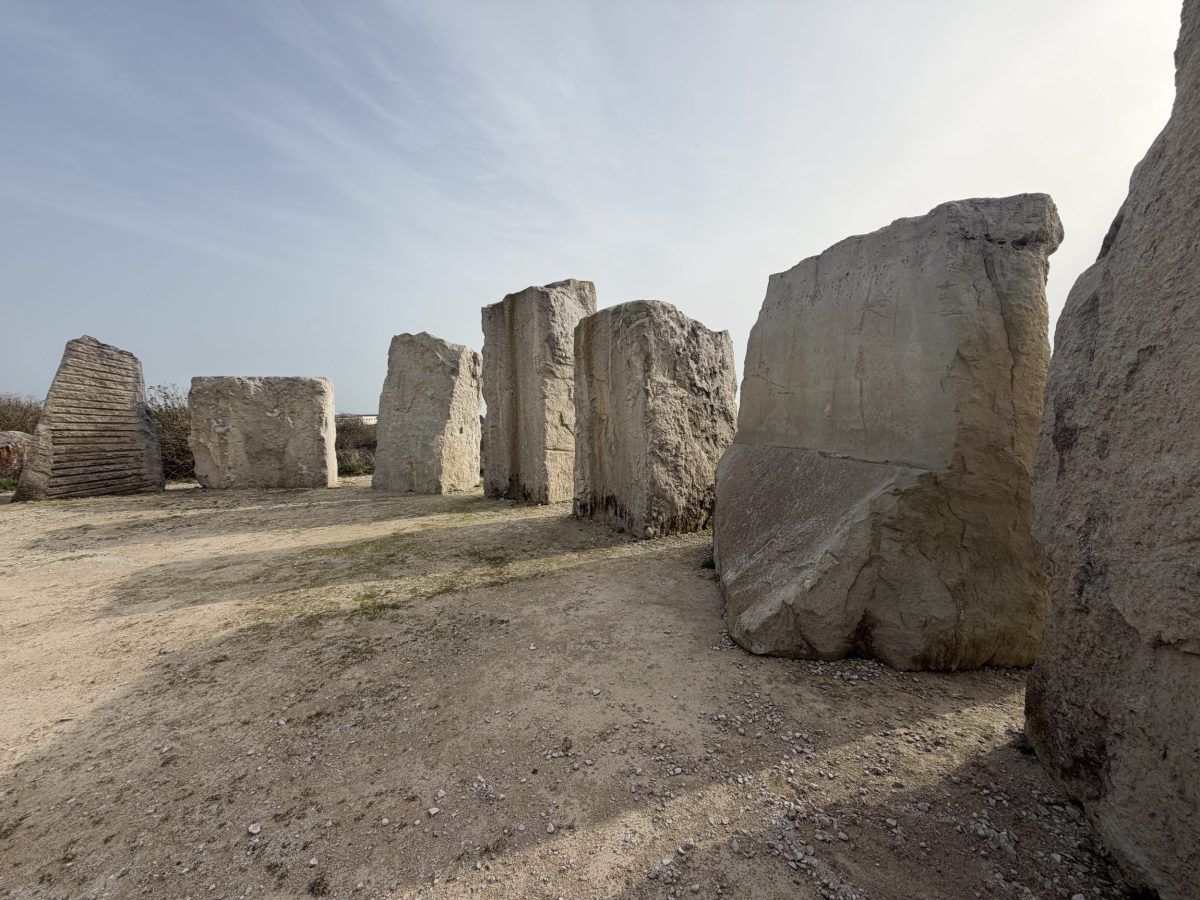
One of our favourite sculptures is the Memory Stones. Standing quietly in the old quarry, they invite visitors to pause, reflect and simply enjoy the peaceful surroundings. It’s one of those places that never feels hurried, and every visit seems to reveal something new.
But for us, the views are just as memorable as the sculptures.
As you wander through the quarry, spectacular panoramas unfold across Chesil Beach, Lyme Bay and the Fleet Lagoon. On a clear day, you can see for miles, and it’s easy to appreciate why Portland has inspired artists, sculptors and photographers for generations.
It’s also a fantastic place to walk.
The quarry paths wind through dramatic stone cuttings, wildflowers and sculptures, creating an ever-changing landscape that’s fascinating to explore. We often spend far longer here than we’d planned, simply discovering another path or another piece of artwork tucked away among the rocks.
Afterwards, we almost always stop at the View Café at the Portland Heights Hotel.
The café enjoys one of the island’s finest viewpoints, looking out across Chesil Beach and the Jurassic Coast. It’s the perfect place for coffee, lunch, or simply a moment to admire the view before heading home.
And if you visit, don’t forget to say hello to Bella, café’s friendly robot server. It’s become something of a talking point and always raises a smile, especially among younger visitors.
It’s this wonderful combination of dramatic scenery, fascinating history, contemporary sculpture and unforgettable views that makes Tout Quarry one of the places we keep recommending again and again.
Curated Tip: Visit during the late afternoon when the sun begins to light the honey-coloured Portland Stone. The quarry becomes incredibly photogenic, and the views across Chesil Beach are simply spectacular.
Perfect for: Photographers • Families • Walkers • Art lovers • Couples
Allow: Two to three hours, including time to explore the sculpture park and enjoy coffee or lunch at Portland Heights afterwards.
If you’re planning to explore more of the island, discover our complete guide to Portland, where we’ve shared our favourite walks, coastal viewpoints, places to eat and hidden gems.
Hardy’s Monument
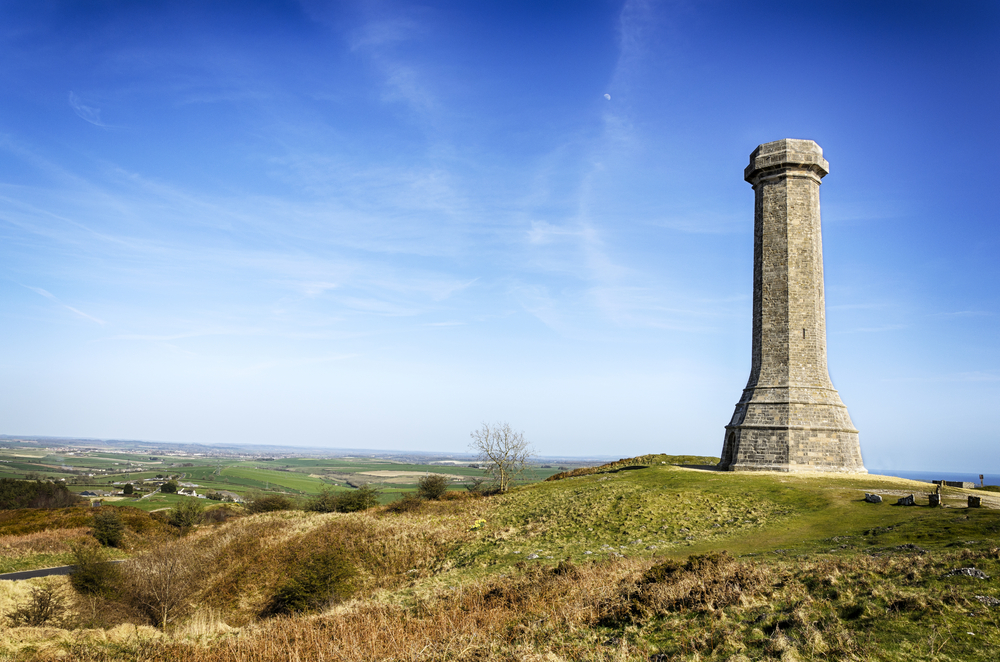
One of Dorset’s Finest Views – and Surprisingly Few People Ever Visit
Standing proudly on the Dorset ridgeline, Hardy’s Monument can be seen from miles away, yet surprisingly few visitors make the short journey to explore it.
For us, that’s one of the reasons we love it.
Despite being one of Dorset’s most recognisable landmarks, it often feels wonderfully peaceful. Surrounded by rolling countryside and panoramic views across the county, it’s the sort of place where you naturally slow down, take a deep breath and simply enjoy being outdoors.
The monument itself was built in 1844 in memory of Vice Admiral Sir Thomas Masterman Hardy, Nelson’s flag captain at the Battle of Trafalgar and the man famously said to have been by Nelson’s side during his final moments aboard HMS Victory. Standing beneath the towering stone memorial, it’s impossible not to reflect on both the history and the remarkable landscape that surrounds it.
We often visit just for the walk.
A network of footpaths criss-crosses the surrounding countryside, making it easy to tailor the route to how much time you have. On a clear day, the views seem to go on forever, taking in the Dorset countryside, the Jurassic Coast, and, in the distance, even Portland and the sea beyond.
It’s one of those walks that feels different every season. Spring brings wildflowers, summer offers endless views of the countryside, autumn fills the surrounding woodland with colour, and winter rewards clear days with some of the best panoramas in Dorset.
One of our favourite ways to experience Hardy’s Monument is by e-bike. Through our Curated Experiences, guests can join a guided ride from Weymouth, following quiet country lanes and beautiful Dorset scenery before climbing to the monument. It’s a fantastic way to explore the countryside without worrying about the hills, and it’s one of those experiences that leaves you seeing Dorset from a completely different perspective.
Whether you arrive on foot, by bike or by car, Hardy’s Monument is one of those places that quietly reminds you how beautiful Dorset really is.
Perfect for: Walkers • Cyclists • Photographers • History lovers • Couples
Allow: One to three hours depending on your chosen walk or cycle route.
Clavell Tower
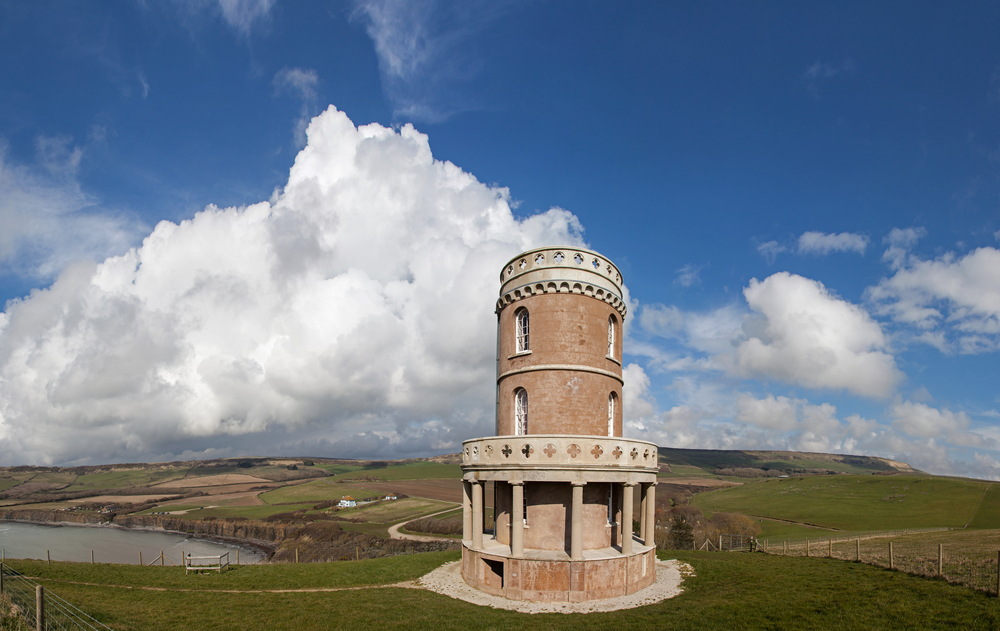
The Lonely Tower Standing Watch Over the Jurassic Coast
Perched dramatically on the cliffs above Kimmeridge Bay, Clavell Tower is one of those places that instantly captures your imagination.
Standing alone against the skyline, overlooking the ever-changing waters of the English Channel, it almost feels as if it belongs in the pages of an old adventure novel. Every time we visit, we’re reminded of The Famous Five. A mysterious tower standing guard over one of England’s most beautiful stretches of coastline.
Built in 1830 by the Reverend John Richards Clavell, the tower was originally designed as an observatory and lookout over the sea. Over the years, it became one of Dorset’s most recognisable landmarks and, after being painstakingly moved away from the crumbling cliff edge to protect it from coastal erosion, continues to watch over the Jurassic Coast today.
The views from here are simply breathtaking.
Looking west, you’ll see the dramatic cliffs stretching towards Ringstead Bay, while to the east the coastline unfolds towards Kimmeridge and the Isle of Purbeck. It’s one of those places where you can happily spend half an hour doing very little other than watching the waves roll in far below.
We usually combine our visit with a walk along the South West Coast Path, taking in the spectacular scenery around Kimmeridge Bay before returning to the tower. It’s not a particularly demanding walk, but the views are exceptional throughout and every season offers something different. Spring brings carpets of wildflowers, summer reveals sparkling blue seas, while autumn and winter often provide dramatic skies that make this stretch of coastline even more atmospheric.
If you’ve never explored this part of Dorset before, it’s well worth allowing extra time to visit nearby Kimmeridge Bay, where rock pools, fossils and the famous Etches Collection make for a fascinating addition to the day.
For us, though, Clavell Tower remains the highlight.
It’s peaceful, beautifully positioned and wonderfully photogenic – the sort of place that reminds you why Dorset’s coastline continues to inspire artists, writers and photographers worldwide.
Perfect for: Photographers • Walkers • History lovers • Couples • Jurassic Coast explorers
Allow: Two to three hours, including a walk along the coast and time to explore nearby Kimmeridge Bay.
Fort Henry & the Dragon’s Teeth, Studland
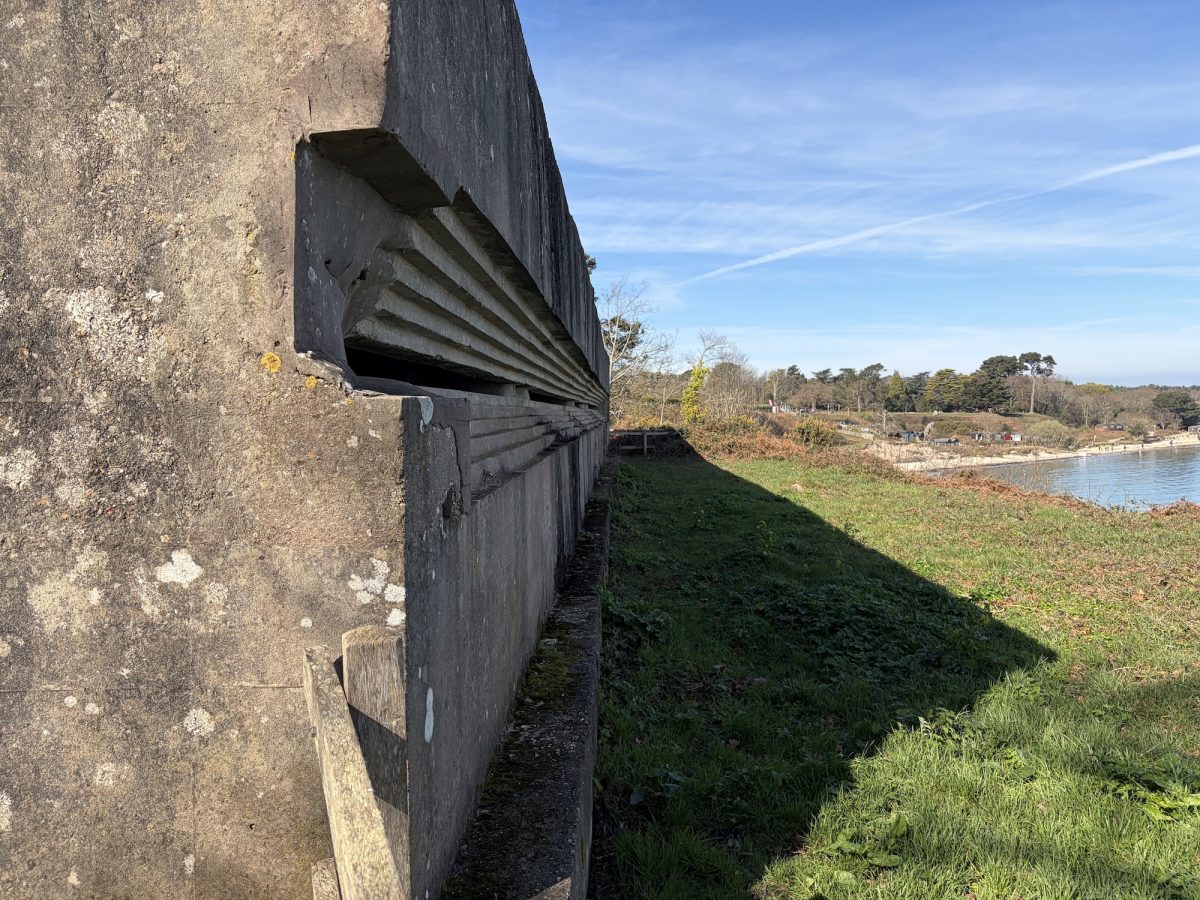
Dorset’s Forgotten Wartime Defences Hidden Among the Sand Dunes
Most people visit Studland for its beautiful sandy beaches, crystal-clear waters and spectacular views of Old Harry Rocks.
Few realise they’re also walking through one of Britain’s most important military landscapes.
Hidden amongst the dunes at Knoll Beach stands Fort Henry, a concrete observation bunker built during the Second World War to monitor one of the most significant rehearsals for the D-Day landings. From here, senior military commanders, including King George VI, Winston Churchill and General Eisenhower, observed thousands of troops taking part in Exercise Smash in preparation for the Normandy landings.
Standing beside the bunker today, looking across the same stretch of coastline, it’s incredible to imagine the scale of what happened here and the role this peaceful beach played in shaping history.
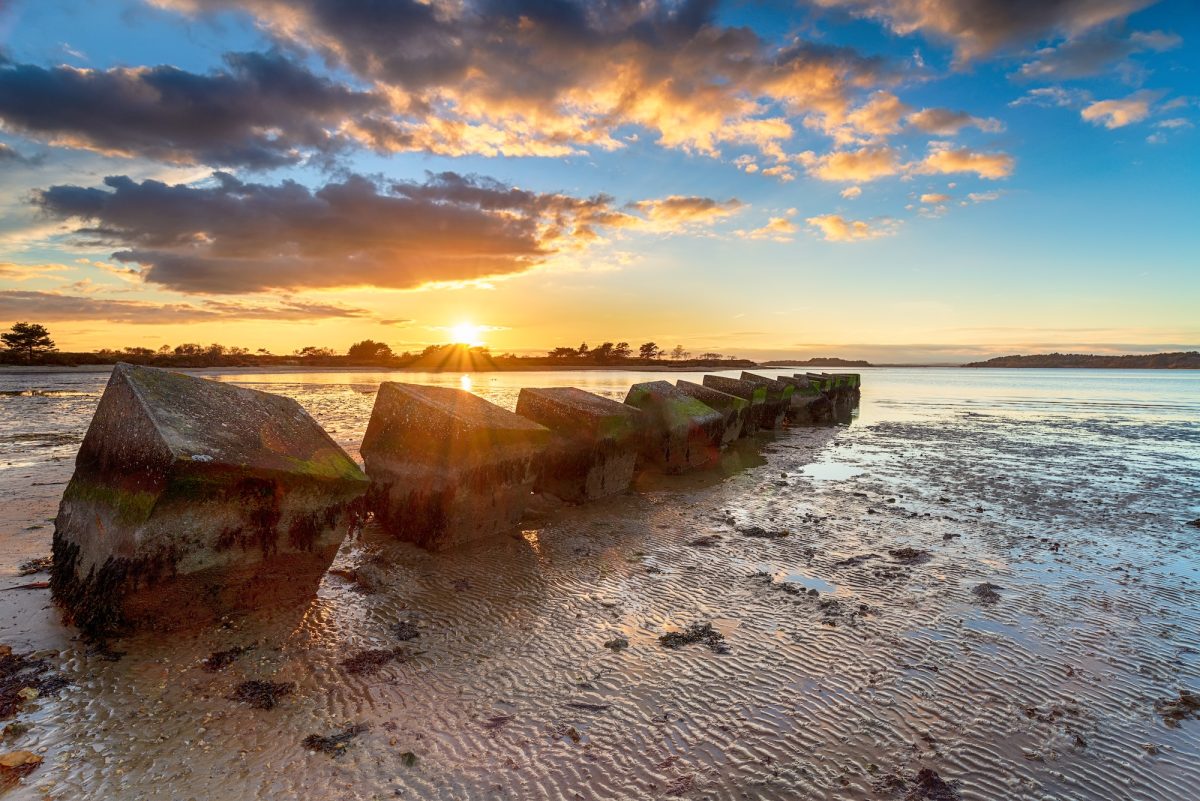
A short distance away, you’ll also find another fascinating reminder of Dorset’s wartime past – the Dragon’s Teeth.
These rows of large concrete anti-tank blocks were designed to slow any potential invasion force and remain remarkably well preserved. It’s one of those places many visitors pass without realising what they’re looking at, yet together they tell an important story about Dorset’s role in the war.
Whenever we visit, we like to make a day of it.
We usually park at The Bankes Arms in Studland, then follow the footpaths across Ballard Down towards Knoll Beach and Fort Henry. The route combines magnificent coastal scenery with fascinating military history, before returning to the village for a well-earned lunch.
It’s one of our favourite walks in Purbeck, one we’ve enjoyed many times with Smarty. The wide-open spaces, stunning sea views and dog-friendly beaches make it a fantastic walk year-round.
Back at The Bankes Arms, we almost always choose a table in the large grassy beer garden overlooking Studland Bay. After several miles of walking, enjoying a locally brewed pint while taking in one of the finest views in Dorset feels like the perfect reward.
It’s a day out that combines history, the coastline, wildlife and one of our favourite country pubs. Everything we love about exploring Dorset.
Curated Tip: If you’re visiting in the early morning or late afternoon, you’ll often have long stretches of the beach almost to yourself. It’s a wonderfully peaceful time to explore Fort Henry before returning to The Bankes Arms for lunch.
Perfect for: History lovers • Families • Walkers • Dog owners • Photographers
Allow: Three to four hours, including the circular walk and lunch in Studland.
Fort Henry is just one of the fascinating places to discover in this beautiful corner of Purbeck. Explore our complete guide to Studland for beaches, coastal walks, local cafés and more unforgettable places to visit.
Wareham Walls
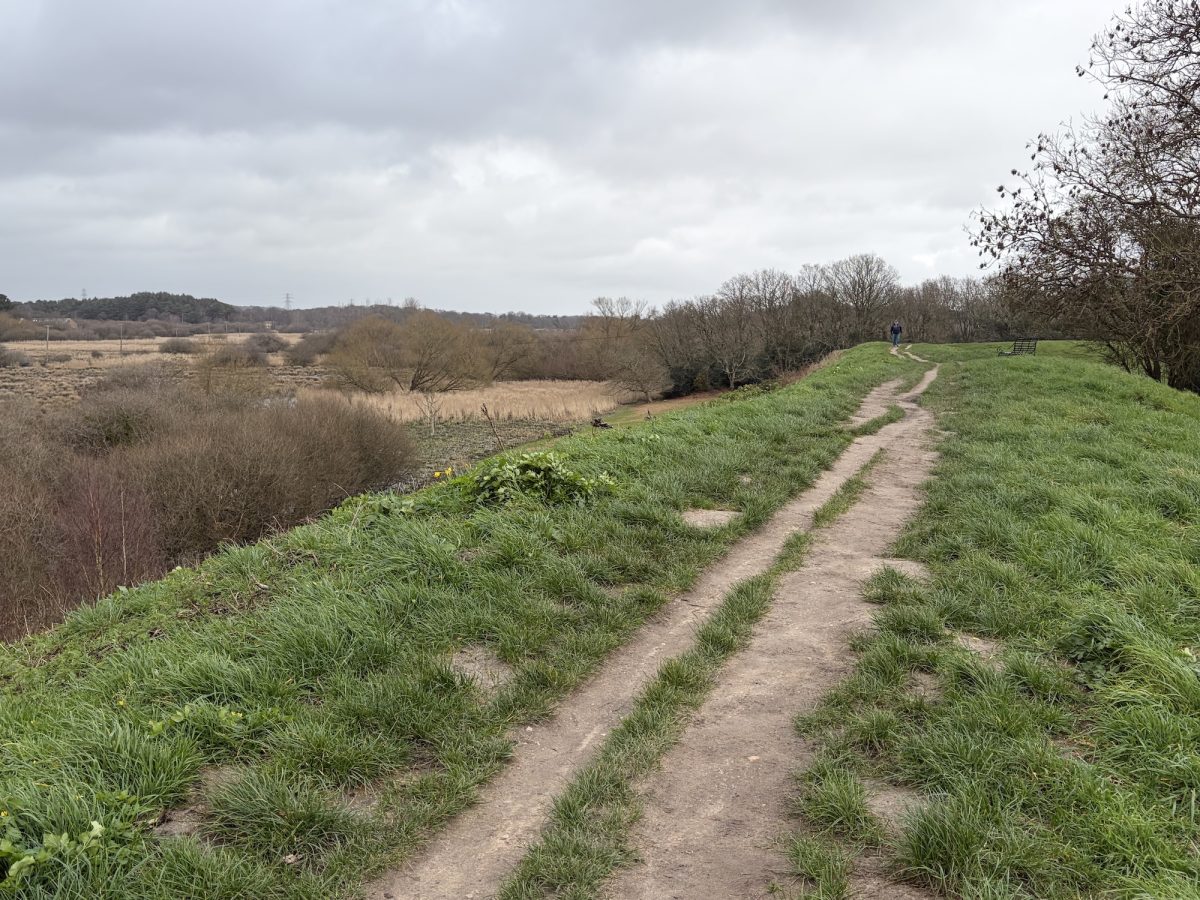
A Walk Around One of England’s Best-Preserved Saxon Towns
At first glance, Wareham might seem a charming market town, quietly set on the banks of the River Frome.
But look a little closer, and you’ll realise you’re walking around one of England’s best-preserved Saxon settlements.
Encircling the historic town are the ancient Wareham Walls, enormous earth ramparts built more than 1,000 years ago to defend the settlement against Viking attacks. Today, they offer one of our favourite easy walks in Dorset and provide a completely different perspective on this fascinating riverside town.
It’s a walk we’ve enjoyed many times over the years, usually with Smarty happily leading the way.
The circular route is about two miles long and follows the grassy banks almost all the way around Wareham. As you wander along the ancient defences, you’ll enjoy lovely views across the rooftops of the town, the surrounding water meadows, and the peaceful River Frome as it winds towards Poole Harbour.
What we particularly love about this walk is its peaceful atmosphere.
Despite being just a few minutes from the town centre, it never feels busy, and each season offers something different. Spring brings wildflowers to the banks, summer is perfect for an evening stroll, and autumn paints the surrounding trees in wonderful shades of gold and copper.
The route is also ideal if you’re visiting Dorset with your dog. Smarty always enjoys exploring the wide grassy paths, and it’s become one of those walks we keep returning to time and again whenever we’re in the area.
After completing the circuit, we almost always head down to Wareham Quay.
Watching boats drift gently along the river as people paddle past in kayaks creates a wonderfully relaxed atmosphere. If the weather is kind, you’ll usually find us sitting outside at The Old Granary, enjoying lunch or simply stopping for coffee by the water.
On several occasions we’ve actually arrived by river ourselves, either by boat with the children or after kayaking along the River Frome before pulling up near the quay. It makes for a fantastic family day out and gives you a completely different view of Wareham.
For us, that’s what makes this place so special.
It’s not just about history.
It’s about slowing down, enjoying the river, wandering the independent streets of Wareham, and discovering a quieter side of Dorset that many visitors overlook.
Perfect for: Dog owners • Families • History lovers • Gentle walks • Riverside cafés
Distance: Approximately 2 miles circular.
Allow: Two to three hours, including time to explore the town and enjoy lunch by the river.
Tyneham Village & Worbarrow Bay
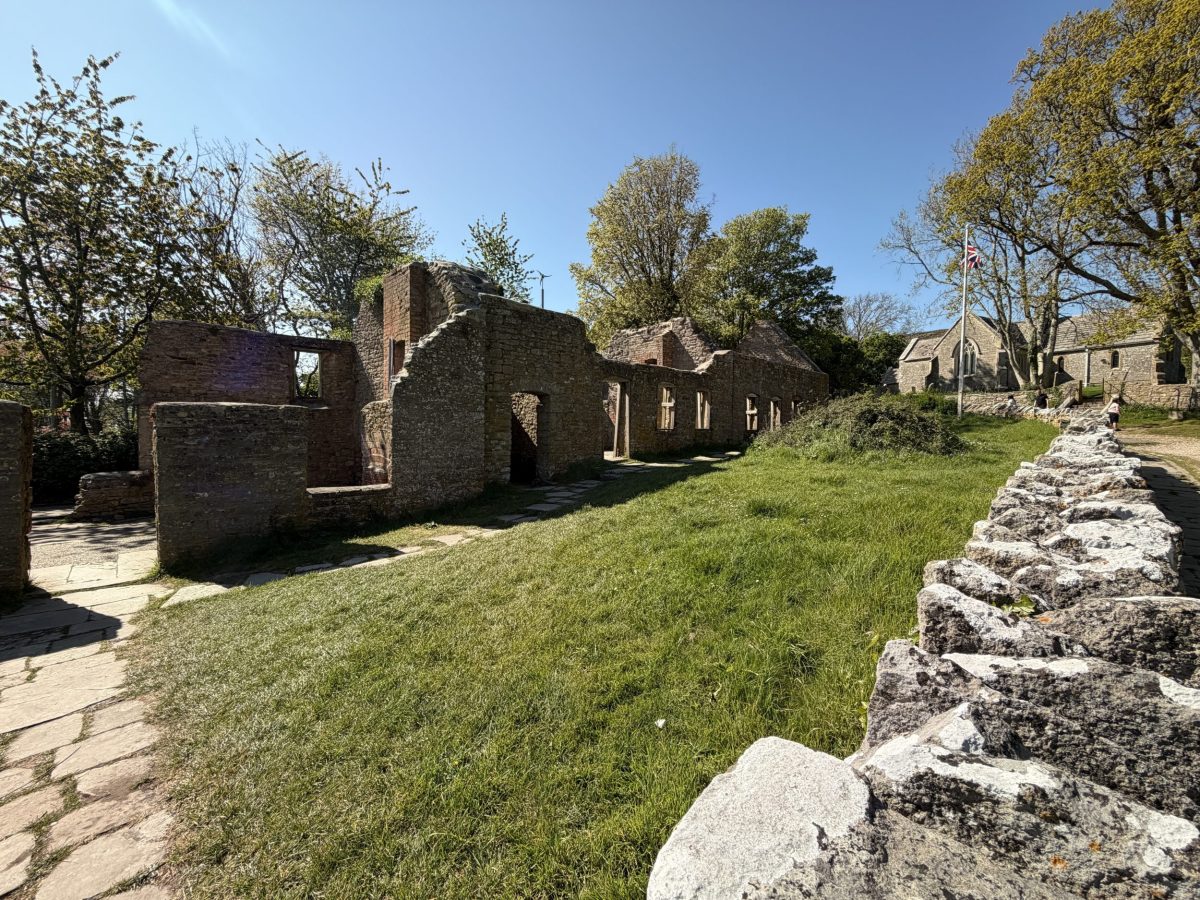
Dorset’s Lost Village Where Time Stood Still
There are few places in Dorset quite as moving as Tyneham.
Hidden deep within the Purbeck countryside, this abandoned village has remained almost untouched since December 1943, when its residents were asked to leave their homes to allow the area to be used for military training during the Second World War.
They believed they would one day return.
Sadly, they never did.
Today, wandering through the quiet streets of Tyneham feels like stepping into another era. The old stone cottages remain roofless, the village school still holds the children’s desks and blackboard, while the church continues to stand peacefully at the heart of the village. Reading the handwritten farewell message left by villagers as they departed is a reminder that behind every historic place lie real people and real stories.
It’s one of those places that lingers with you long after you’ve left.
Whenever we visit, we never stop at the village itself.
For us, Tyneham is the starting point of one of Dorset’s most spectacular coastal walks.
Following the path through the valley, the scenery gradually opens to reveal the breathtaking sweep of Worbarrow Bay. Framed by dramatic chalk cliffs and rolling hills, the beach feels wonderfully wild and untouched. Even in summer, it’s possible to find moments of complete peace here, sitting on the shingle, listening to nothing but the waves rolling onto the shore.
It’s a walk we’ve returned to many times over the years, and it never loses its sense of adventure.
The route is relatively straightforward, although there are a few gentle climbs, and the reward is one of the most beautiful stretches of coastline anywhere on the Jurassic Coast.
Standing on the beach, looking back towards the cliffs, it’s hard to believe you’re only a short drive from some of Dorset’s busiest attractions.
This feels like another world entirely.
There’s far more to Tyneham than first meets the eye. Discover its fascinating history, the beautiful walk to Worbarrow Bay and our local tips in our complete guide to Tyneham Village.
Perfect for: History lovers • Walkers • Photographers • Families • Jurassic Coast explorers
Distance: Approximately 5 miles return to Worbarrow Bay.
Allow: Three to four hours to explore the village, enjoy the walk and spend time on the beach.
After visiting Tyneham, continue exploring the Isle of Purbeck with our complete guide to Corfe Castle, packed with local walks, historic sites and family-friendly attractions.
The Blue Pool, Wareham, Dorset
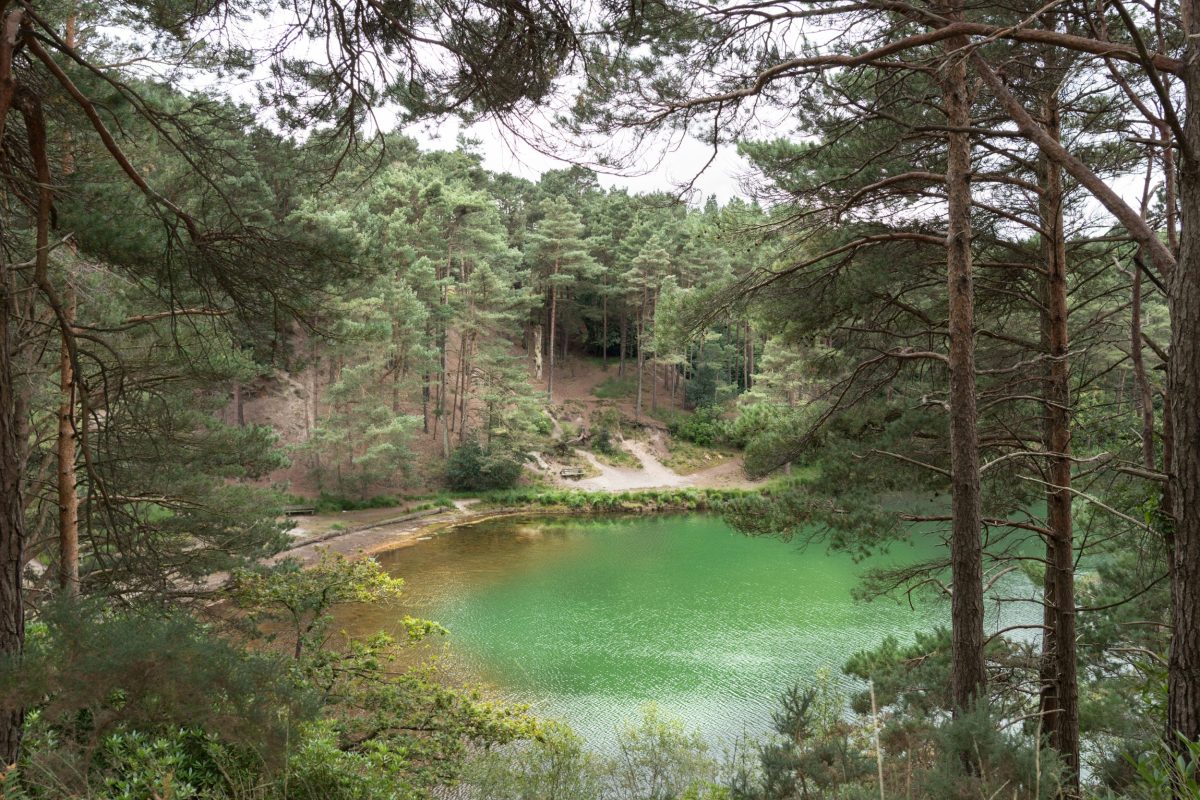
Dorset’s Magical Lake That Changes Colour Throughout the Day
If someone showed you a photograph of the Blue Pool without telling you where it was, you’d probably guess it had been taken much further afield than Dorset.
Hidden amongst peaceful woodland near Wareham, this remarkable lake has fascinated visitors for generations. Its famous blue-green colours constantly change with the weather, the position of the sun and the mineral-rich clay beneath the water, so no two visits ever feel quite the same.
It’s one of those places we never tire of revisiting.
As soon as you step through the entrance, it feels as if you’ve arrived at a special corner of Dorset. Gentle woodland paths wind through the trees, eventually revealing the Blue Pool itself, where the ever-changing colours seem almost unreal. On some days it’s a vivid turquoise, while on others it takes on deep emerald and sapphire tones.
It’s easy to see why this has become one of Dorset’s most photographed beauty spots.
What many people don’t realise is that there’s much more to explore than just the pool itself.
The woodland trails lead to several viewpoints overlooking the surrounding countryside, while elevated boardwalks offer wonderful opportunities to stop, admire the scenery and simply enjoy the peace and quiet. It’s a lovely place for a leisurely stroll, whether you’re visiting as a couple, with friends or as a family.
We particularly enjoy visiting outside the busiest times of day, when the woodland feels especially tranquil and you can truly appreciate the beauty of the landscape.
The café is also well worth a visit. Whether you’re stopping for coffee and homemade cake or enjoying a light lunch before continuing your Dorset adventure, it’s a lovely place to relax, surrounded by nature.
Planning a visit? Read our comprehensive guide to The Blue Pool for local tips, woodland walks, family-friendly activities, practical information, and everything you need to make the most of your day.
Perfect for: Families • Couples • Photographers • Nature lovers • Gentle walks
Allow: Two to three hours, including time to explore the woodland trails and enjoy refreshments in the café.
The Blue Pool is just one of many wonderful places to discover nearby. Take a look at our guide to Wareham for more family-friendly days out, scenic walks and local favourites.
St Catherine’s Chapel, Abbotsbury
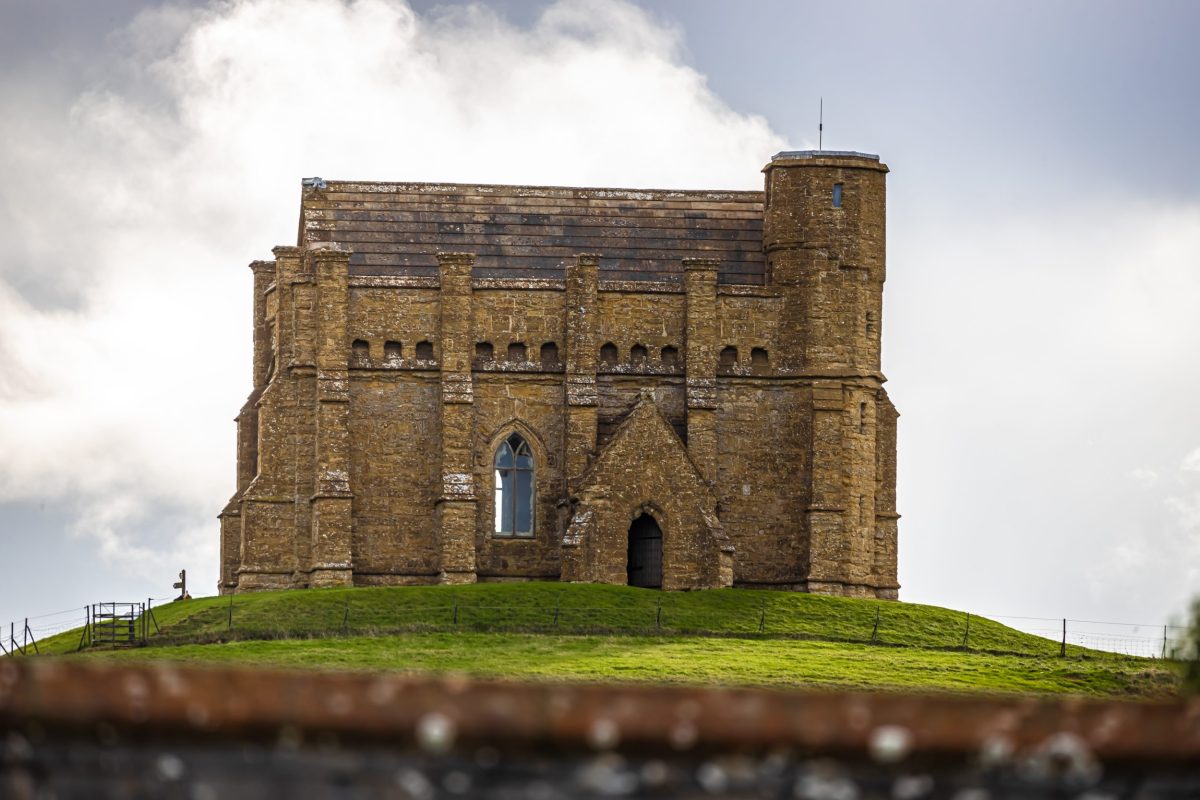
A Tiny Hilltop Chapel with One of Dorset’s Most Spectacular Views
Standing high above the beautiful village of Abbotsbury, St Catherine’s Chapel has watched over the Dorset coastline for more than 600 years.
It’s one of those places that somehow feels both peaceful and dramatic.
From the village below, the small medieval chapel seems to stand alone against the skyline, inviting you to climb the hill and discover what lies at the top. Fortunately, the walk is relatively short, and although it’s a little steep in places, the reward is more than worth the effort.
Whenever we visit Abbotsbury, this is one of the first places we visit.
The path climbs steadily through open grassland before the breathtaking views suddenly reveal themselves. Looking across the sweeping curve of Chesil Beach, the Fleet Lagoon and the rolling Dorset countryside beyond, it’s one of those moments that reminds you how diverse this county really is.
On a clear day, you can see for miles.
The chapel itself dates back to the 14th century and was originally built by monks from nearby Abbotsbury Abbey as a place of pilgrimage and prayer. Today it remains wonderfully simple, with its weathered stone walls standing quietly against the backdrop of sea, sky and countryside.
It’s impossible not to pause for a while.
Whether you’re interested in history, photography, or simply in finding somewhere peaceful away from the crowds, St Catherine’s Chapel offers one of the most rewarding viewpoints on the Jurassic Coast.
After making your way back down into Abbotsbury, we always enjoy spending a little time exploring the village. With its charming stone cottages, independent shops and welcoming cafés, it’s one of Dorset’s prettiest villages and a perfect spot for a leisurely afternoon.
If time allows, we also recommend visiting the nearby Abbotsbury Swannery or the beautiful Subtropical Gardens, both of which make a wonderful addition to the day.
For us, though, it’s the view from St Catherine’s Chapel that lingers longest in our memory.
It’s where the landscape does all the talking.
Perfect for: Photographers • Couples • History lovers • Walkers • Sunset seekers
Distance: Approximately 1 mile return from Abbotsbury village.
Allow: One to two hours, with extra time to explore the village, Swannery or Subtropical Gardens afterwards.
Keates Quarry & the Dinosaur Footprints
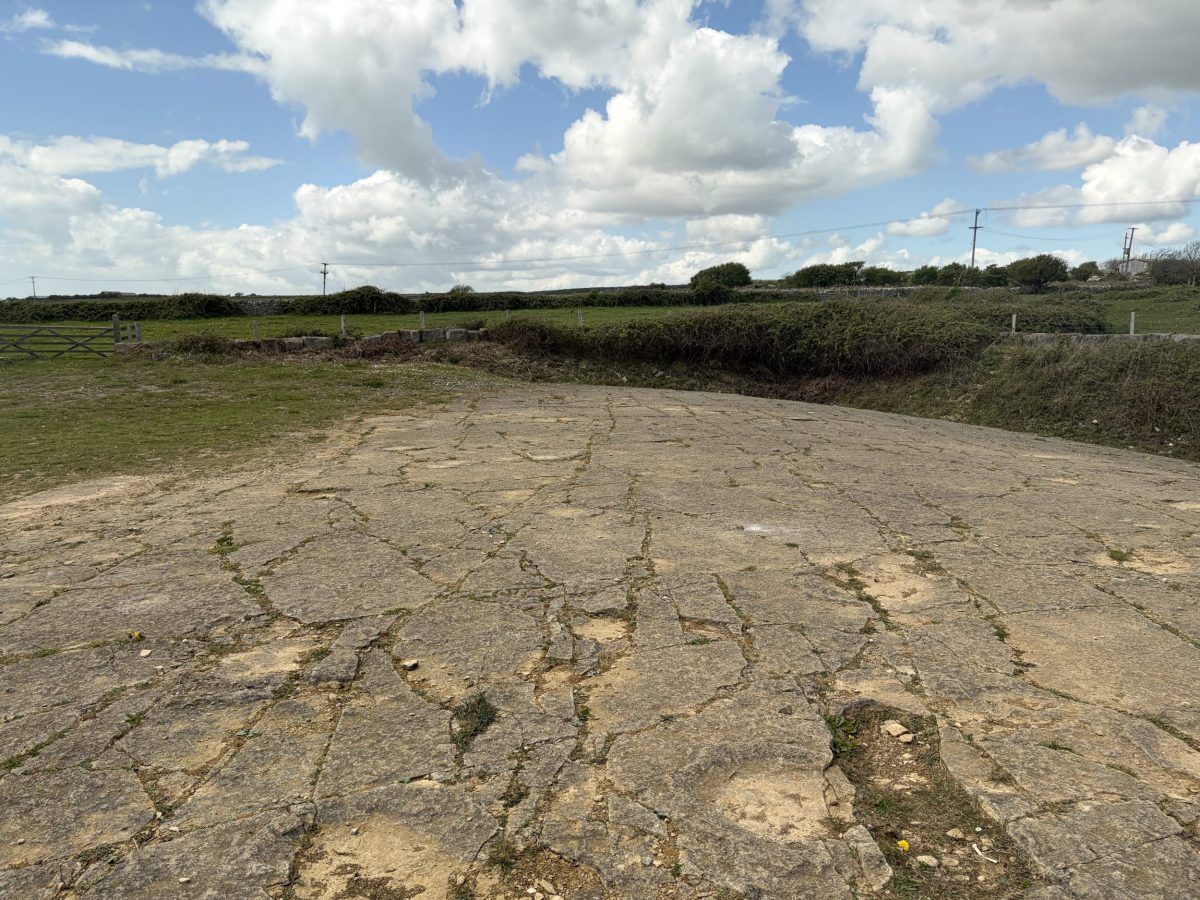
Walk in the Footsteps of Dinosaurs Along Dorset’s Jurassic Coast
The Jurassic Coast is famous for its fossils, but did you know you can also see the footprints left by dinosaurs that walked here millions of years ago?
Keates Quarry, hidden near Worth Matravers, is one of Dorset’s lesser-known geological treasures. The ancient limestone quarry preserves remarkable dinosaur footprints, offering a fascinating glimpse into a world that existed around 140 million years ago.
Unlike many historic sites where you’re simply looking through glass or reading information boards, here you’re standing where dinosaurs once roamed. It makes the experience feel surprisingly personal and genuinely fascinating for children and adults alike.
Whenever we visit, we combine Keates Quarry with a walk to Dancing Ledge, one of our favourite stretches of the Jurassic Coast. The route passes through open countryside before reaching the dramatic cliffs, where the sea crashes against the rocks below and the views stretch for miles in every direction.
Dancing Ledge itself is well worth the walk. The natural rock platform, historic quarrying, and the crystal-clear sea create one of the most distinctive landscapes anywhere along the Dorset coastline.
If you’ve caught the fossil-hunting bug, don’t miss our guide to family days out on the Jurassic Coast. It features more great places to search for fossils, plus a visit to the fascinating Etches Collection, where many of Dorset’s prehistoric discoveries come to life.
Perfect for: Families • Geology enthusiasts • Walkers • Jurassic Coast explorers • Photographers
Allow: Three to four hours, including the walk to Dancing Ledge and lunch at the Square & Compass in Worth Matravers afterwards.
Maiden Castle, Dorchester
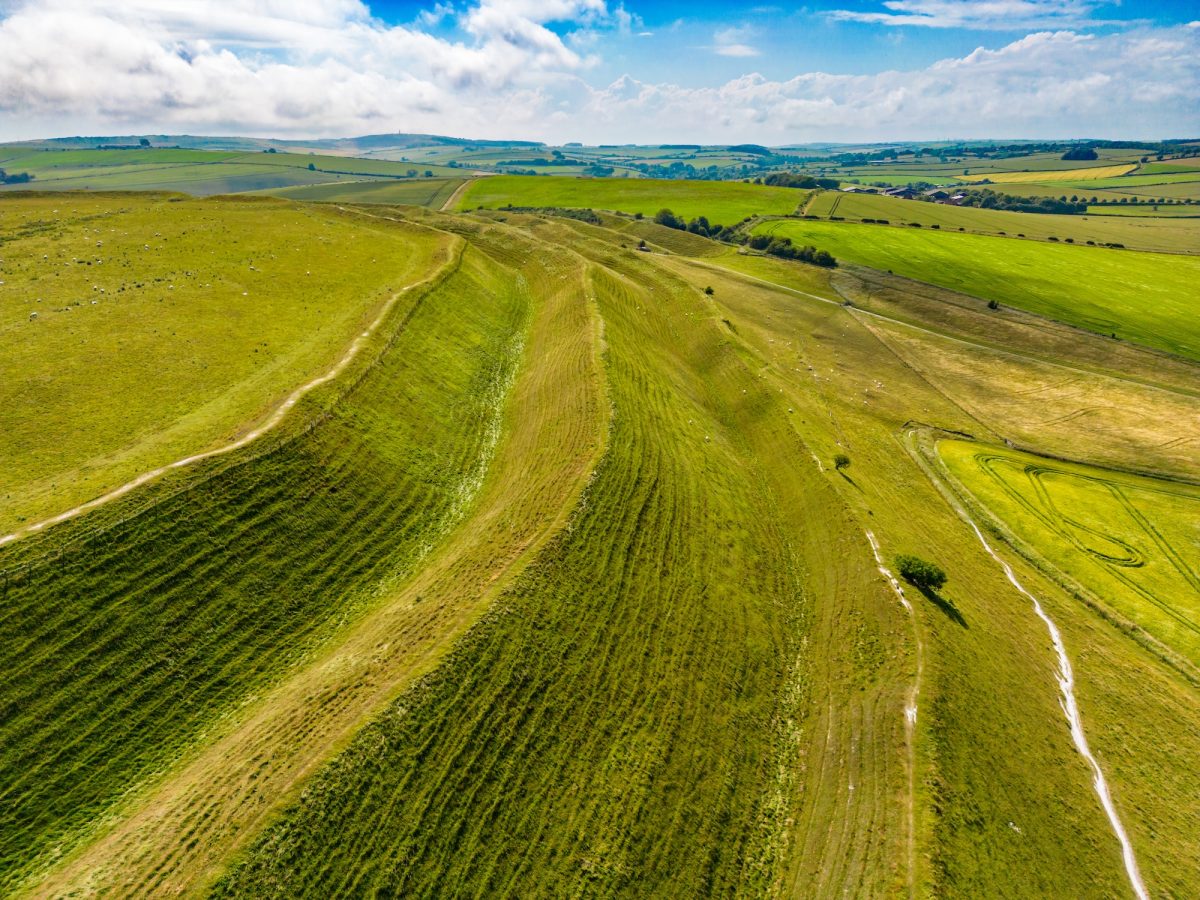
Britain’s Largest Iron Age Hillfort
Long before castles, cathedrals and country houses, there stood Maiden Castle.
Just outside Dorchester sits the largest Iron Age hillfort in Britain. Standing on its enormous earth ramparts today, it’s easy to appreciate why this remarkable place has fascinated historians for generations.
The scale is extraordinary.
Huge defensive banks and deep ditches surround the hilltop, forming one of Europe’s most impressive prehistoric monuments. Yet despite its significance, it often feels wonderfully peaceful, with plenty of space to explore at your own pace.
We’ve walked here many times over the years, and it’s somewhere we regularly recommend to guests staying nearby.
The circular paths around the monument offer magnificent panoramic views over Dorchester and the surrounding Dorset countryside, while interpretation boards help bring the site’s history to life.
Also, if you are staying in one of our dog-friendly cottages, it’s a fantastic Dorset dog walk, one we’ve walked with Smarty. The open grassland and far-reaching views make it enjoyable throughout the year, particularly on crisp autumn mornings or warm summer evenings when the light stretches across the ancient earthworks.
If you’re staying in one of our holiday cottages in Dorchester, Maiden Castle pairs perfectly with a visit to the town. Explore the independent shops, enjoy lunch in one of the cafés, visit the excellent museums, or discover Thomas Hardy’s connections to the area before heading back to the tranquillity of the hillfort.
For us, it quietly reminds you just how much history Dorset holds beneath your feet.
Curated Tip: Visit during the golden hour before sunset. The low light beautifully highlights the enormous earthworks and creates some wonderful photography opportunities.
Perfect for: History lovers • Families • Dog owners • Walkers • Photographers
Allow: One to two hours, or combine with a full day exploring Dorchester.
Make a day of it by exploring our complete guide to Dorchester, featuring Roman history, museums, independent shops and some of our favourite places to eat.
Agglestone Rock
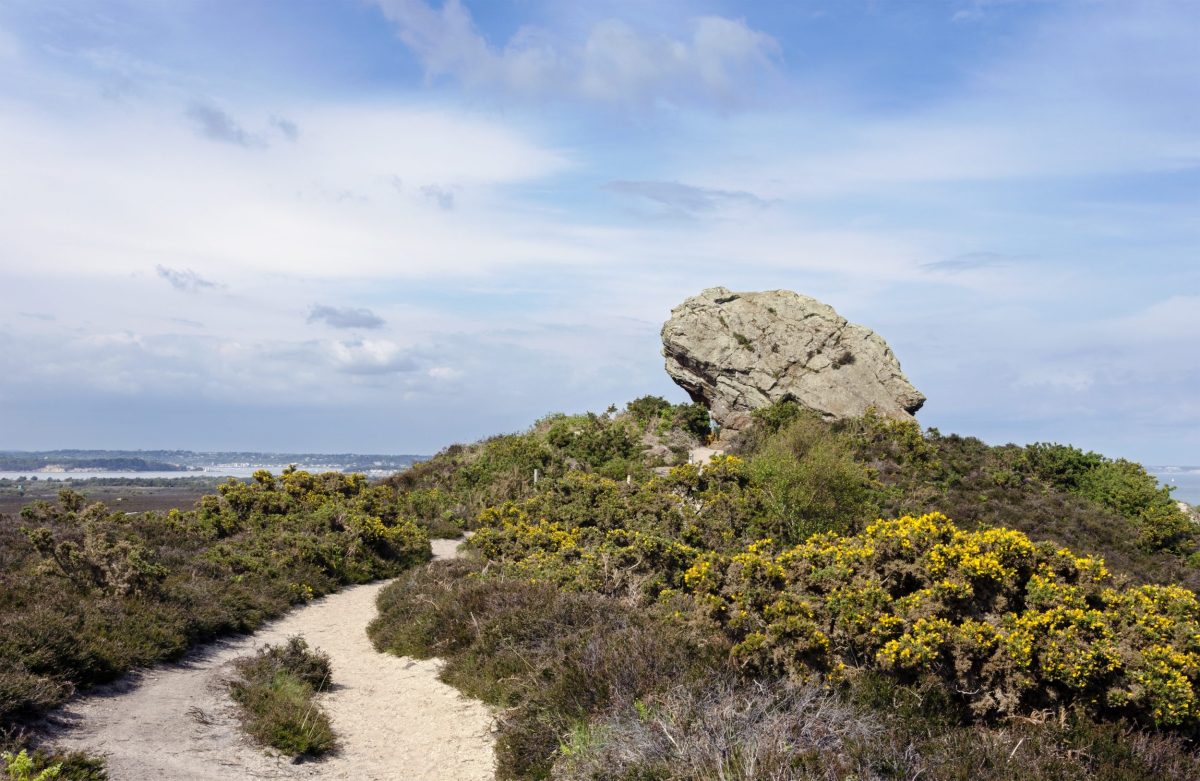
Dorset’s Mysterious Rock with a Giant’s Legend
Few places in Dorset feel as mysterious as Agglestone Rock.
Agglestone Rock, located within the beautiful Studland and Godlingston Heath National Nature Reserve, is one of Dorset’s most fascinating natural landmarks and a walk we return to time and again.
Standing alone in the middle of the heathland above Studland, this enormous sandstone boulder seems completely out of place. Surrounded by purple heath, golden grasses and sandy paths, it almost feels as if it has been dropped there from another world.
Perhaps that’s why so many legends have grown up around it.
One of the best-known tales claims the Devil threw the enormous rock from the Isle of Wight, aiming for Corfe Castle but missing his target. Instead, the giant stone crashed into the heathland where it remains today. Whether you believe the story or not, it’s easy to understand why generations of locals have imagined something extraordinary behind its appearance. Standing beside it for the first time is a surprisingly surreal experience.
For us, visiting Agglestone Rock is as much about the journey as the destination itself.
Our favourite route begins at Middle Beach, where we usually stop for a coffee before setting off. From there, we walk through Studland village and follow the network of sandy heathland trails that lead towards the rock. It’s a wonderfully peaceful walk, with changing scenery at every turn.
One of the highlights comes long before you reach the rock itself.
On a clear day, the views are simply breathtaking. Looking across the coastline, you can see the Isle of Wight rising on the horizon, while the brilliant white chalk stacks of Old Harry Rocks catch the sunlight in the distance. It’s one of those views that never seems to lose its magic, no matter how often we’ve seen it.
Then, almost unexpectedly, Agglestone Rock comes into view.
Despite having seen photographs beforehand, nothing quite prepares you for its scale. The huge sandstone boulder rises dramatically from a patch of soft sand, almost like a miniature beach in the middle of the heath. Surrounded by vibrant greens, purple heather and golden gorse, the colours are beautiful throughout the year, making it one of our favourite places for photography.
It also brings back wonderful memories for us.
Many years ago, long before Curated Cottages, we first discovered Agglestone Rock on a horse-riding trek from the Studland Stables. Coming across such an extraordinary landmark while riding through the heathland left a lasting impression, and every time we’ve returned since, it’s felt just as special.
There’s no visitor centre, no ticket office and no crowds. Just an extraordinary rock, a fascinating local legend and some of the finest heathland scenery anywhere in Dorset.
For us, that’s exactly what makes it one of Dorset’s most unusual places to visit.
Curated Tip: Visit on a clear afternoon when the sunlight catches both the sandstone and the distant chalk cliffs of Old Harry Rocks. If you enjoy landscape photography or simply want to escape the busier coastal hotspots, this walk is one of our favourite hidden gems in Dorset.
Perfect for: Walkers • Families • Photographers • Nature lovers • Jurassic Coast explorers
Allow: Around 2½ to 3 hours for a circular walk from Middle Beach through Studland Heath, including time to explore Agglestone Rock and stop to admire the coastal views.
There’s so much more to discover in this beautiful corner of Dorset. Explore our complete guide to Studland for beaches, coastal walks, local cafés and more unforgettable places to visit.
Continue Exploring Dorset
Planning your Dorset itinerary? Here are a few more guides we think you’ll enjoy:
- Discover the Dorset locations that inspired bestselling thriller writers and explore the dramatic landscapes behind some of Britain’s best-loved crime novels.
- Follow our Famous Five trail through Dorset, visiting the beaches, castles and coastal locations that inspired Enid Blyton’s classic adventures.
- Explore Dorset’s Hollywood film locations, from famous films and television dramas to the real places you can visit today.
- Planning a family day out? Discover our guides to Monkey World, The Tank Museum, The Blue Pool and more of Dorset’s most popular attractions.
- Explore Dorset with our collection of destination guides, featuring beautiful beaches, scenic walks, historic landmarks, charming villages and some of our favourite local places to visit.
We hope this guide inspires you to discover somewhere new, revisit an old favourite and experience Dorset the way we love to explore it ourselves.
Frequently Asked Questions
If you’re looking beyond Dorset’s best-known attractions, we’d recommend exploring the Wood Henge near Worth Matravers, the Fossil Forest near Lulworth Cove, the Memory Stones on Portland, Clavell Tower, St Aldhelm’s Chapel, Tyneham Village, Maiden Castle and the Blue Pool. Each offers something completely different and showcases a quieter, more intriguing side of Dorset.
It’s difficult to choose just one, but the Hardy Monument offers breathtaking panoramic views across the Dorset countryside, while St Catherine’s Chapel enjoys magnificent views over Chesil Beach and the Fleet Lagoon. We’re also particularly fond of the spectacular coastal scenery around Winspit Quarry, Clavell Tower and Old Harry Rocks.
Many of the locations featured in this guide can be combined with wonderful walks. Some of our favourites include:
Worth Matravers to Winspit Quarry and Seacombe
Tyneham Village to Worbarrow Bay
Wareham Walls
Hardy Monument
Keates Quarry and Dancing Ledge
Memory Stones and Tout Quarry
St Aldhelm’s Head from Worth Matravers
Each offers something completely different, from dramatic coastal scenery and ancient history to peaceful countryside and spectacular sea views.
Yes. Many of them are ideal for families, particularly the Blue Pool, Maiden Castle, Tyneham Village, the Fossil Forest, Wareham Walls and Tout Quarry. Children love exploring these places because they combine history, nature, wildlife and plenty of space to roam and discover.
Absolutely. We regularly explore many of these locations with our own dog, Smarty. Our favourite dog-friendly walks include Worth Matravers and Winspit Quarry, the Hardy Monument, Wareham Walls, Tyneham Village, Studland and much of the spectacular South West Coast Path.
As always, please keep dogs under control around livestock and check any seasonal restrictions on beaches and nature reserves.
Most of the destinations featured in this guide can be enjoyed in half a day, particularly when combined with one of our recommended walks or a leisurely lunch afterwards. Many also work perfectly as part of a full day’s adventure exploring the Jurassic Coast, giving you plenty of time to enjoy the scenery, discover nearby attractions and relax in some of our favourite cafés and country pubs.
Our carefully selected Dorset holiday cottages provide the perfect base for discovering these extraordinary places. Whether you’re looking for luxury holiday cottages, dog-friendly holiday cottages, family holiday cottages or holiday cottages with hot tubs, you’ll find handpicked properties ideally located for exploring Dorset’s remarkable coastline, ancient landmarks, hidden gems and unforgettable days out.