
National Trust Dorset: Our Guide to the Best Places to Visit
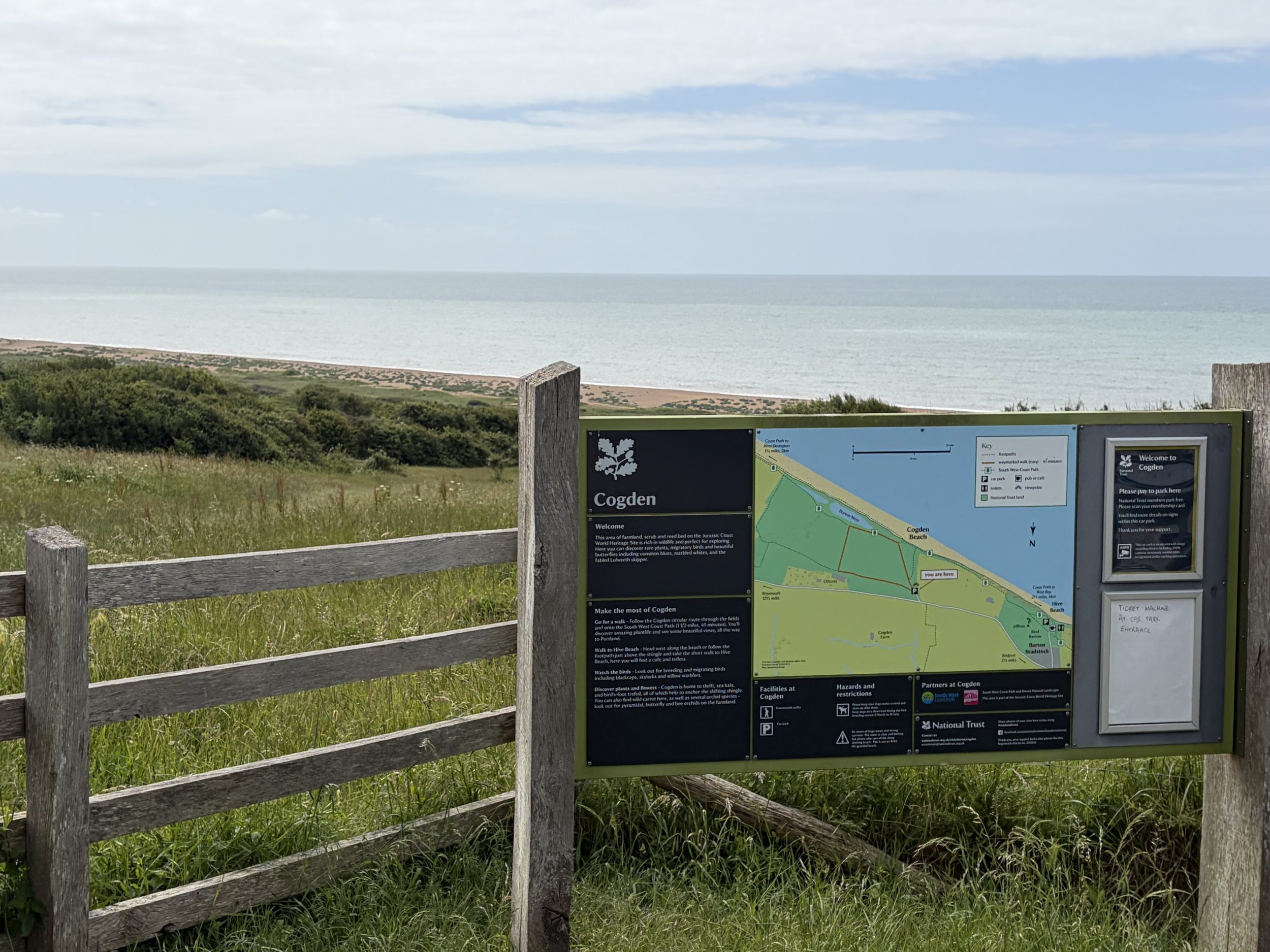
Mention the National Trust, and it’s easy to picture grand country houses, beautiful gardens and historic estates.
Dorset certainly has them. But that’s only part of the story.
The National Trust also looks after some extraordinary corners of our county: a ruined castle that has dominated the Purbeck landscape for almost a thousand years; wild beaches and heathland; Thomas Hardy’s homes; Lawrence of Arabia’s tiny woodland retreat; ancient Iron Age hillforts; an 180-foot chalk giant; and even a Purbeck quarry where you can stand beside dinosaur footprints dating back around 145 million years.
Living in Dorset, we’ve returned to many of these countless times as a family, for walks, days out, or simply because they’re wonderful places to spend a few hours.
So rather than simply listing the best-known National Trust properties in Dorset, we’ve included some of the places we think are particularly worth discovering, including several you might not realise are cared for by the National Trust.
If you’re planning a few days exploring the county, our collection of Dorset holiday cottages makes a great base. From West Dorset and Dorchester to the Jurassic Coast and Purbeck, there are National Trust places scattered across almost every corner of the county.
Kingston Lacy
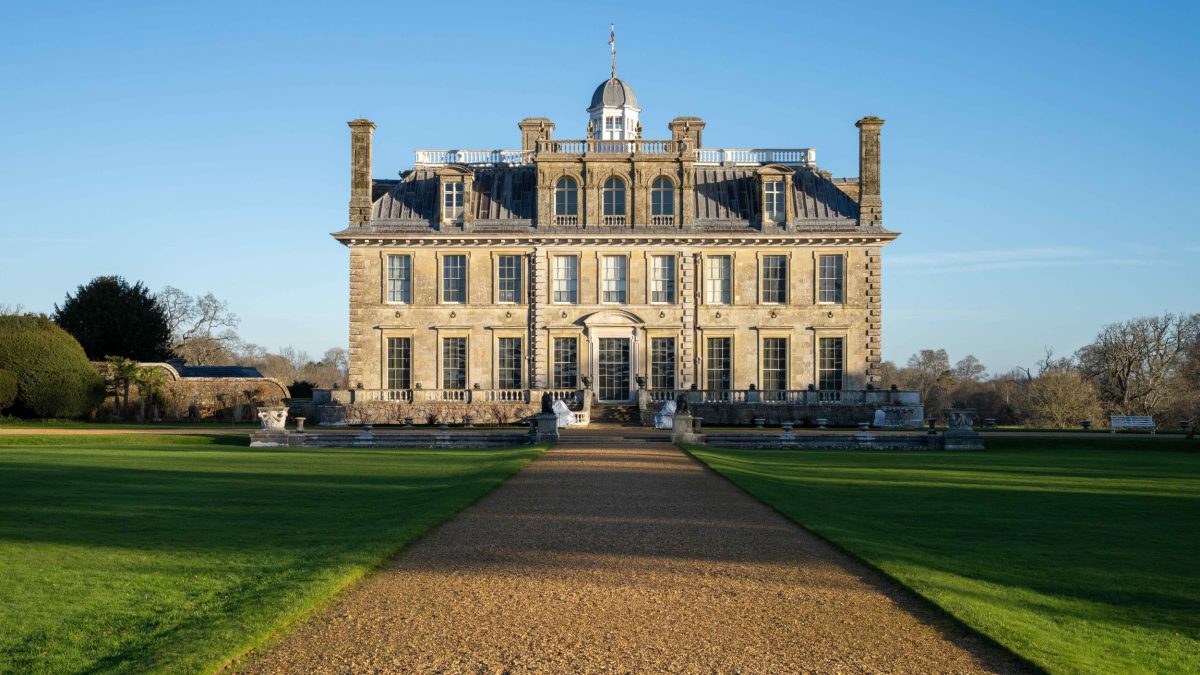
If you’re seeking the classic National Trust country-house experience, Kingston Lacy is hard to beat.
Just outside Wimborne, the elegant Italian-inspired house was the family home of the Bankes family, who also owned Corfe Castle. Inside, you’ll find an extraordinary collection of art, furniture and antiquities, while outside there are acres of gardens, parkland and woodland to explore.
It’s somewhere that changes noticeably with the seasons. Spring brings blossom and flowers, the gardens are lovely in summer, and the estate is particularly beautiful when the trees begin to change colour in autumn.
If you’re visiting with children, we’d recommend allowing time for the wider estate rather than concentrating entirely on the house. There are walks, plenty of open space and much to discover beyond the formal gardens.
And don’t rush away afterwards. Kingston Lacy is part of a much larger historic landscape, which brings us to one of Dorset’s lesser-known National Trust sites.
Badbury Rings
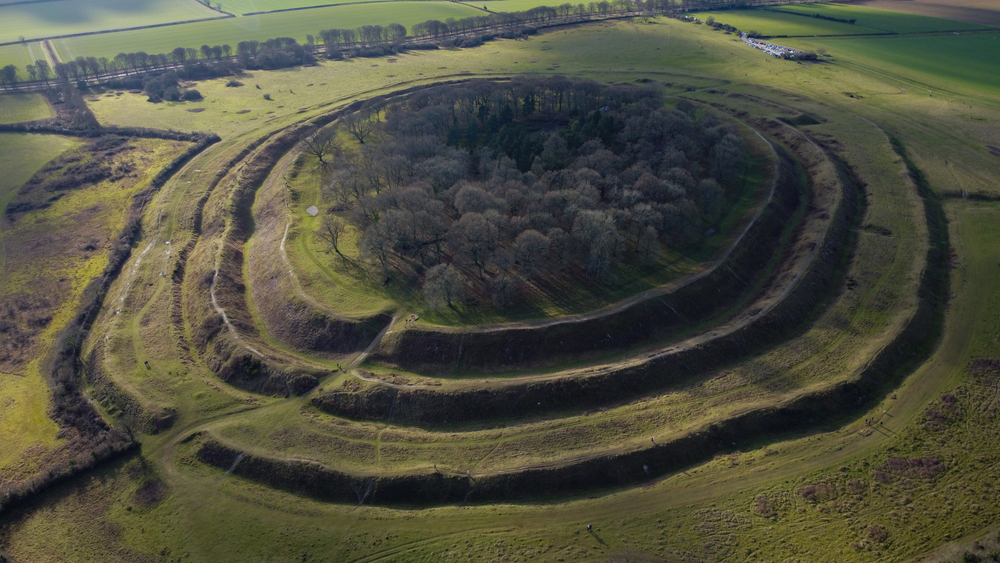
A few miles from Kingston Lacy, Badbury Rings couldn’t be more different.
This impressive Iron Age hillfort sits high above the surrounding countryside and has three rings of defensive earthworks around its summit.
It’s the sort of Dorset place we particularly enjoy: somewhere you can go for a walk and enjoy the views, standing in a landscape people have used for thousands of years.
Badbury Rings works particularly well when combined with Kingston Lacy, making it easy to experience two completely different sides of National Trust Dorset in a single day.
White Mill
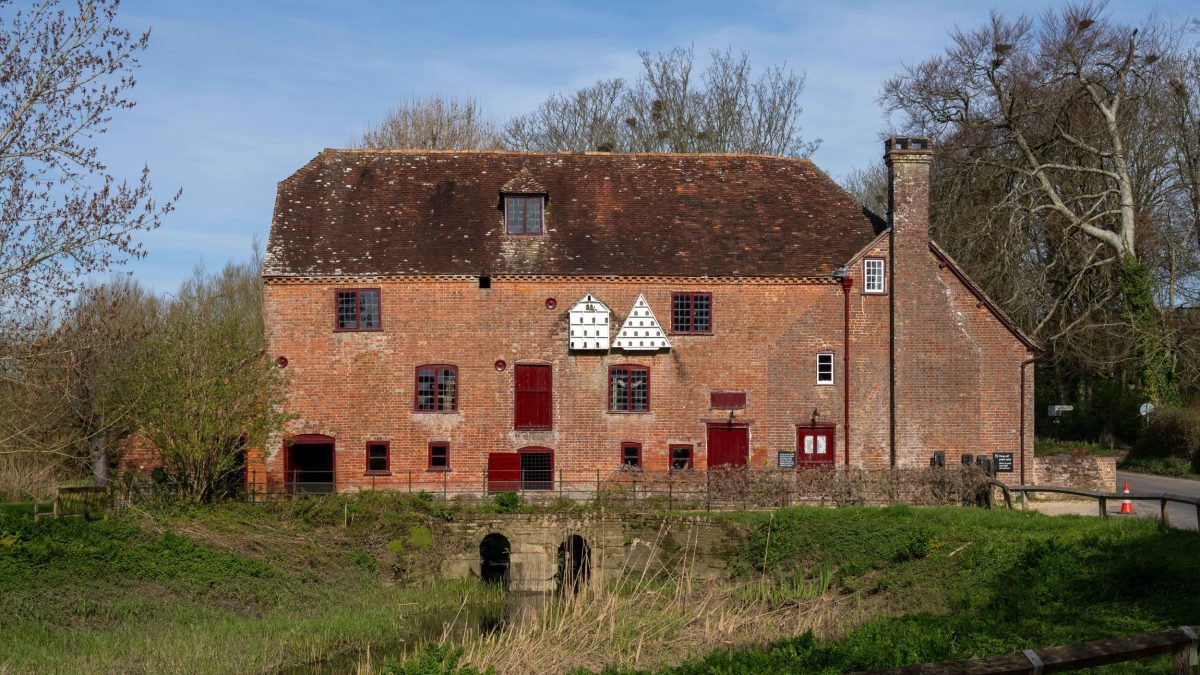
Another easily missed place is White Mill, an 18th-century corn mill beside the River Stour on the Kingston Lacy estate.
It isn’t somewhere we’d necessarily plan an entire day’s sightseeing around, but that’s part of the appeal of some of Dorset’s smaller National Trust places. Combine it with Kingston Lacy, Badbury Rings, or a nearby walk, and you’ve got a much more interesting day out than simply visiting one attraction and heading home.

Corfe Castle
There are few Dorset landmarks more instantly recognisable than Corfe Castle.
Its dramatic ruins rise above the village and the Purbeck Hills, and however many times we visit, the view of the castle towering ahead never really loses its impact.
Built within a natural gap in the Purbeck ridge, Corfe has witnessed centuries of English history, from kings and sieges to the English Civil War. Today, you can climb through the ruins, discover the stories behind the castle, and enjoy wonderful views across Purbeck.
But we’d also make time for the village.
Corfe is one of those places where it’s easy to spend much longer than planned. Wander through the village, stop for lunch or a drink, and, if you have time, combine your visit with a trip on the Swanage Railway or a walk into the Purbeck Hills.
We’ve put together more of our favourite things to see, do and places to eat in our guide to Corfe Castle if you’re planning to make a day of it.

Studland Bay and Old Harry Rocks
National Trust places in Dorset aren’t limited to historic buildings.
Some of the county’s most spectacular coast and countryside is also in its care, and Studland is one of the finest examples of it.
The four-mile stretch of coastline includes Shell Bay, Knoll Beach, Middle Beach and South Beach, backed by heathland and nature reserves.
We’ve spent countless days around Studland over the years, and it’s somewhere that works equally well for a summer beach day or for a long walk outside the main season.
One of our favourite ways to experience it is on foot.
From Studland, you can walk towards Old Harry Rocks, the famous white chalk stacks marking the eastern end of Dorset’s Jurassic Coast. On a clear day, the views across Poole Bay towards the Isle of Wight are superb.
For something a little more unusual, head inland to Godlingston Heath and look for Agglestone Rock, an enormous sandstone boulder that sits rather unexpectedly in the heathland.
If you’re staying with your dog, Studland can also be wonderful for walks, although seasonal restrictions and lead requirements apply in some areas. It’s always worth checking the latest National Trust guidance before setting off.
Our dog-friendly cottages in Dorset are ideal if exploring Dorset’s coast and countryside with your four-legged companion is an important part of your holiday.
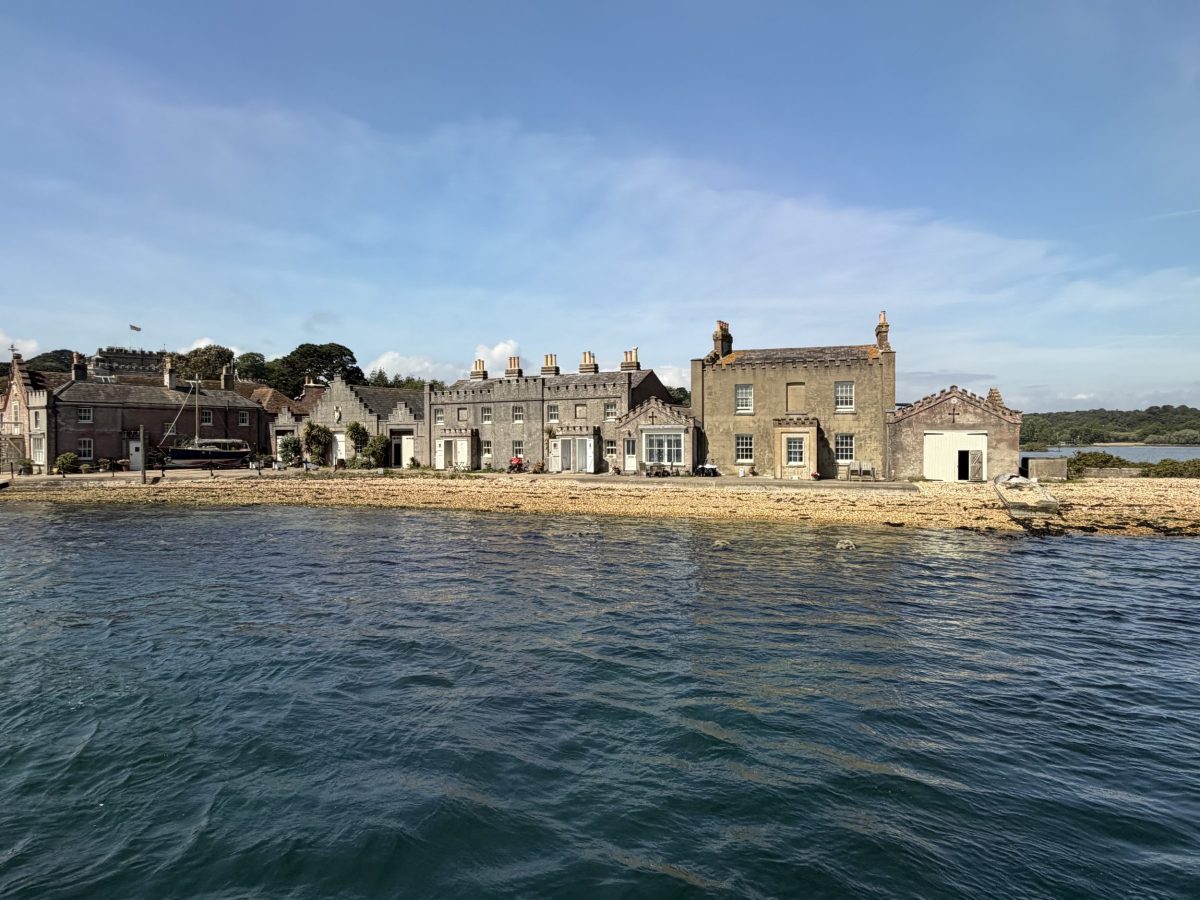
Brownsea Island
Sitting in the middle of Poole Harbour, Brownsea feels surprisingly removed from the busy surrounding coastline.
Reached by boat, the island combines woodland, heathland, lagoons and shoreline, and is particularly famous as one of the places in southern England where you can still see red squirrels.
It’s also an important place in the history of the Scouting movement: Robert Baden-Powell held an experimental camp here in 1907, which helped lead to the creation of Scouting.
We think part of Brownsea’s appeal lies in the journey itself. Catching the boat across Poole Harbour immediately makes the day feel different, especially for children.
Give yourself enough time to explore beyond the arrival point. Brownsea is a place for wandering rather than rushing from one attraction to the next. In our day-out guide to Brownsea Island, we included everything you need to plan a perfect day.
Some of Dorset’s More Unexpected National Trust Places
This is where the list becomes especially interesting.
Some of our favourite National Trust places in Dorset aren’t grand houses or famous visitor attractions.
They include giants, dinosaurs, ancient earthworks, and the tiny retreat of one of the 20th century’s most fascinating figures.
Cerne Giant
You certainly can’t accuse this National Trust property of being conventional.
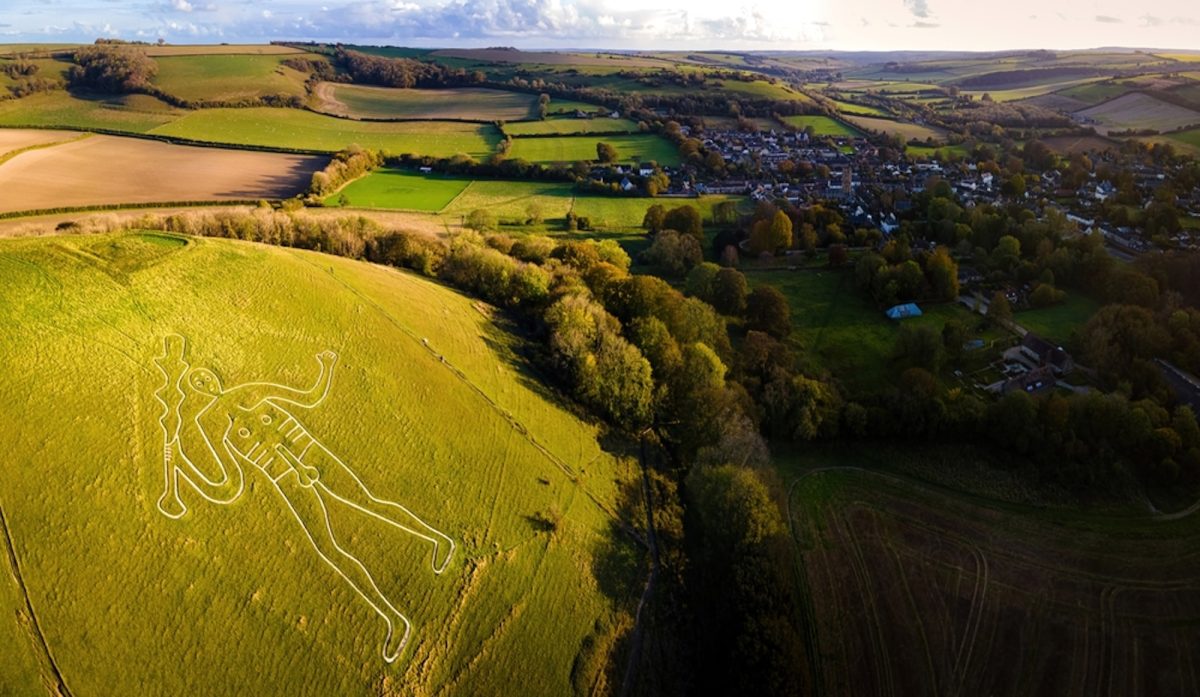
Carved into the chalk hillside above Cerne Abbas, Britain’s largest chalk hill figure is the unmistakable Cerne Giant.
Standing 180 feet tall, the naked, club-wielding figure has inspired stories and speculation for generations. Was he an ancient fertility symbol, Hercules, a political caricature, or something else entirely?
Scientific analysis commissioned by the National Trust concluded that the Giant was likely created during the late Saxon period, although the exact reason remains uncertain.
Above him lies another layer of history: an earthwork known as the Trendle, believed to date from the Iron Age.
The Giant is one of those wonderfully eccentric Dorset landmarks that deserves to be seen at least once, but we’d also spend time exploring Cerne Abbas itself.
It’s a lovely historic village, and combining the Giant with a walk and something to eat or drink in the village makes for a much better visit than simply stopping for a photograph.
It also has fascinating connections with Dorset’s legends and beliefs, which we explore further in our guide to Dorset’s ancient mysteries, legends and folklore.

Spyway Dinosaur Footprints. Keates Quarry
This may be the National Trust place in Dorset that surprises people most.
Near Langton Matravers on the Isle of Purbeck, more than 100 fossilised dinosaur footprints can be seen in a former quarry site.
The footprints at Keates Quarry date back to around 145 million years ago and are thought to have been made by enormous sauropod dinosaurs.
There’s something extraordinary about standing beside a footprint left by an animal that walked across what is now Dorset millions of years before humans existed.
The footprints are part of the National Trust’s wider Spyway landscape, which extends towards the spectacular Purbeck coast.
We’d combine them with a walk along the Priest’s Way, or continue towards the coast and Dancing Ledge, another favourite Purbeck spot. We’ve included details of a visit to Keates Quarry in our days out in Dorset guide.
This is also a perfect companion to our curated guide to the Jurassic Coast, especially if fossils and Dorset’s prehistoric past are what bring you here.
Clouds Hill. Lawrence of Arabia’s Dorset Retreat
Hidden among the trees near Bovington lies one of Dorset’s most intriguing little houses.
Clouds Hill was the country retreat of T. E. Lawrence, better known as Lawrence of Arabia.
And little is really the right word.
This modest cottage is worlds away from the grand houses normally associated with the National Trust. Lawrence furnished it to his own tastes and used it as a place to read, write, listen to music and escape from military life.
The interiors remain much as he left them, making Clouds Hill feel unusually personal.
It’s somewhere we’d particularly recommend to anyone interested in 20th-century history, and it also pairs brilliantly with several other nearby places.
Lawrence lived in nearby Bovington and is buried in Moreton, while The Tank Museum is only a short distance away.
Clouds Hill is also particularly convenient for guests staying at Silverlake Estate, making it one of those lesser-known local places well worth adding to a day spent exploring nearby Wareham.
Hardy Monument. But Not That Hardy
This one catches plenty of people out.
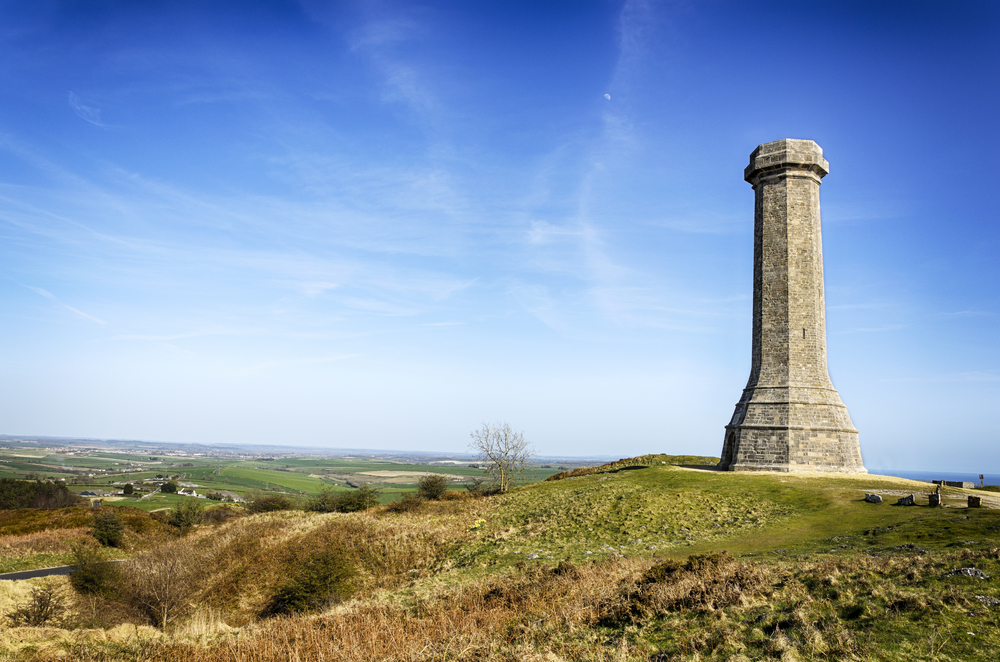
Standing high on Black Down above Portesham, Hardy Monument isn’t dedicated to Dorset novelist Thomas Hardy.
It commemorates Vice-Admiral Sir Thomas Masterman Hardy, captain of HMS Victory at the Battle of Trafalgar and the man beside Nelson when he died.
The 72-foot monument was built in 1844 and occupies one of the best viewpoints in this part of Dorset. On particularly clear days, the National Trust says views can extend as far as Devon and the Isle of Wight.
We’ve walked around this part of the South Dorset Ridgeway many times and the landscape is every bit as much a reason to visit as the monument.
It’s easily combined with Abbotsbury, Portesham, Chesil Beach or the Jurassic Coast, and isn’t far from either Dorchester or Weymouth.
Guests staying in our Weymouth holiday cottages can reach some wonderful countryside surprisingly quickly once they head inland from the coast. If you’d rather explore this part of Dorset on two wheels, our curated e-bike tours include a route to Hardy Monument, combining the ride with some wonderful views across the surrounding countryside and Jurassic Coast.

Thomas Hardy’s Dorset
Of course, Dorset has another very famous Hardy.
Thomas Hardy’s relationship with the county runs through much of his writing, and two National Trust properties allow you to see very different stages of his life.

Hardy’s Cottage
Tucked away in the woodland at Higher Bockhampton is the cottage where Thomas Hardy was born in 1840.
The thatched cob-and-thatch cottage feels far removed from modern Dorset, set within the landscape that would later influence Hardy’s fictional Wessex.
Rather than treating Hardy’s Cottage as an isolated attraction, we’d combine it with a walk through Thorncombe Woods.
It’s an especially lovely area for a woodland walk, and approaching Hardy’s Cottage on foot gives you a much stronger sense of the landscape that shaped his early life.

Max Gate
A short distance away in Dorchester lies the house Hardy later designed for himself.
Max Gate couldn’t be more different from the cottage where he was born.
Hardy moved here in the 1880s and wrote some of his best-known works at the house, including Tess of the d’Urbervilles and Jude the Obscure. He lived at Max Gate until his death in 1928.
There’s even another layer of ancient Dorset beneath it: archaeological remains were discovered on the site while building Max Gate.
We’d combine Max Gate with a day in Dorchester. The Dorset Museum & Art Gallery, Shire Hall Museum, and the town’s Roman remains are all nearby, while Maiden Castle, one of Britain’s largest Iron Age hillforts, lies just outside the town.
If this is the part of Dorset you’re hoping to explore, take a look at our Dorchester holiday cottages and our local guides to eating, exploring and discovering the county town.
Ancient Dorset: Hillforts, Downs and Big Views
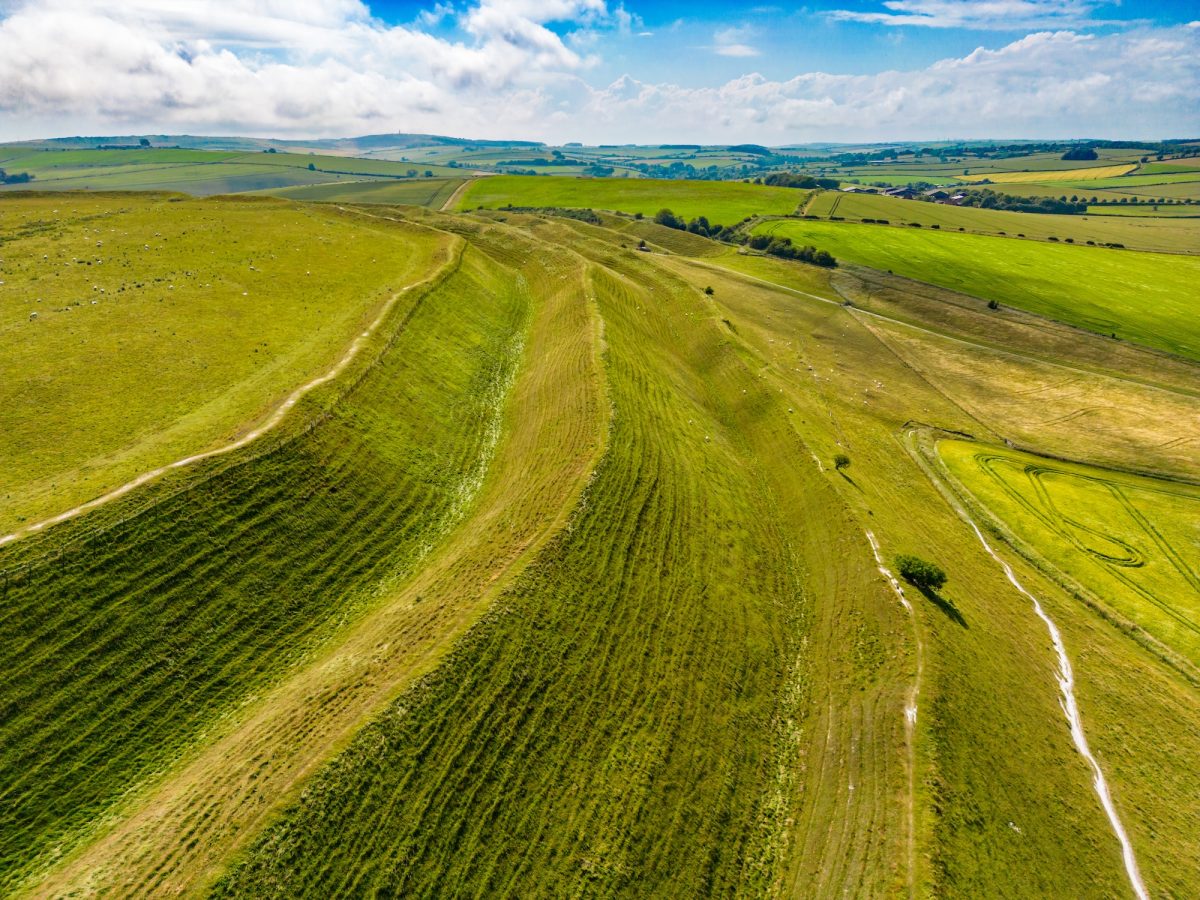
Dorset is full of ancient earthworks, and some of the most impressive landscapes cared for by the National Trust are thousands of years older than the National Trust’s famous houses.
These are particularly good choices if you’d rather put on your walking boots than spend the day indoors.
Hambledon Hill
Hambledon Hill is one of Dorset’s most notable hilltop landscapes.
Rising above the Blackmore Vale, the Iron Age hillfort features massive earthwork ramparts and far-reaching views across the surrounding countryside.
It’s also a National Nature Reserve, so there’s far more to see here than archaeology.
This is the sort of place we love recommending because the experience changes with the weather and seasons. On a clear day, the views are wonderful; at quieter times, it can feel remarkably wild.
Hod Hill
Not far away, Hod Hill offers another extraordinary glimpse into Dorset’s past.
It’s the largest hillfort in Dorset and, unusually, contains evidence from both the Iron Age and the Roman periods.
After taking control of the site, the Romans built a fort within the earlier Iron Age defences, leaving two distinct layers of history visible in the landscape.
Pairing Hambledon Hill and Hod Hill makes for a fascinating day for anyone interested in ancient Dorset.
Eggardon Hill
West Dorset has its own spectacular hillfort at Eggardon Hill.
The fort itself is about 2,500 years old, but earlier Bronze Age burial mounds indicate that people were using the hill long before its Iron Age defences were built.
And there’s a great Dorset story attached to this.
In the 18th century, the notorious smuggler Isaac Gulliver is said to have used Eggardon’s commanding position, planting trees on the hill as a landmark to guide his ships to the coast. The National Trust now cares for the southern half of the fort.
History, smugglers and huge views towards the sea. It’s Dorset.
Pilsdon Pen
Rising above the Marshwood Vale in West Dorset, Pilsdon Pen combines an ancient hillfort with one of the county’s great viewpoints.
Several long-distance walking routes cross the area, including the Wessex Ridgeway, making it particularly worth seeking out if walking is a major part of your Dorset holiday.
Lambert’s and Coney’s Castle
Despite the names, don’t arrive expecting medieval castles.
Lambert’s Castle and Coney’s Castle are ancient hillforts in the West Dorset hills, with wonderful walking country and views towards the coast.
They’re far less famous than Corfe Castle, which is precisely why we like including them here.
Dorset rewards those who occasionally leave the best-known attractions behind.
Lewesdon Hill
Another West Dorset gem, Lewesdon Hill is the highest point in Dorset and is cared for by the National Trust.
Woodland paths climb towards the summit, offering glimpses across the surrounding countryside.
It’s quieter and less dramatic than some of Dorset’s coastal landmarks, yet that is part of its appeal.
Fontmell and Melbury Downs
For wildflowers, butterflies and classic chalk downland, Fontmell and Melbury Downs offer another facet of the National Trust’s Dorset landscape.
This is walking territory rather than a conventional visitor attraction, and another good example of why a National Trust day in Dorset doesn’t necessarily involve stepping into a historic house.
National Trust on the Jurassic Coast
Some of the National Trust’s most beautiful places in Dorset lie along the coast.
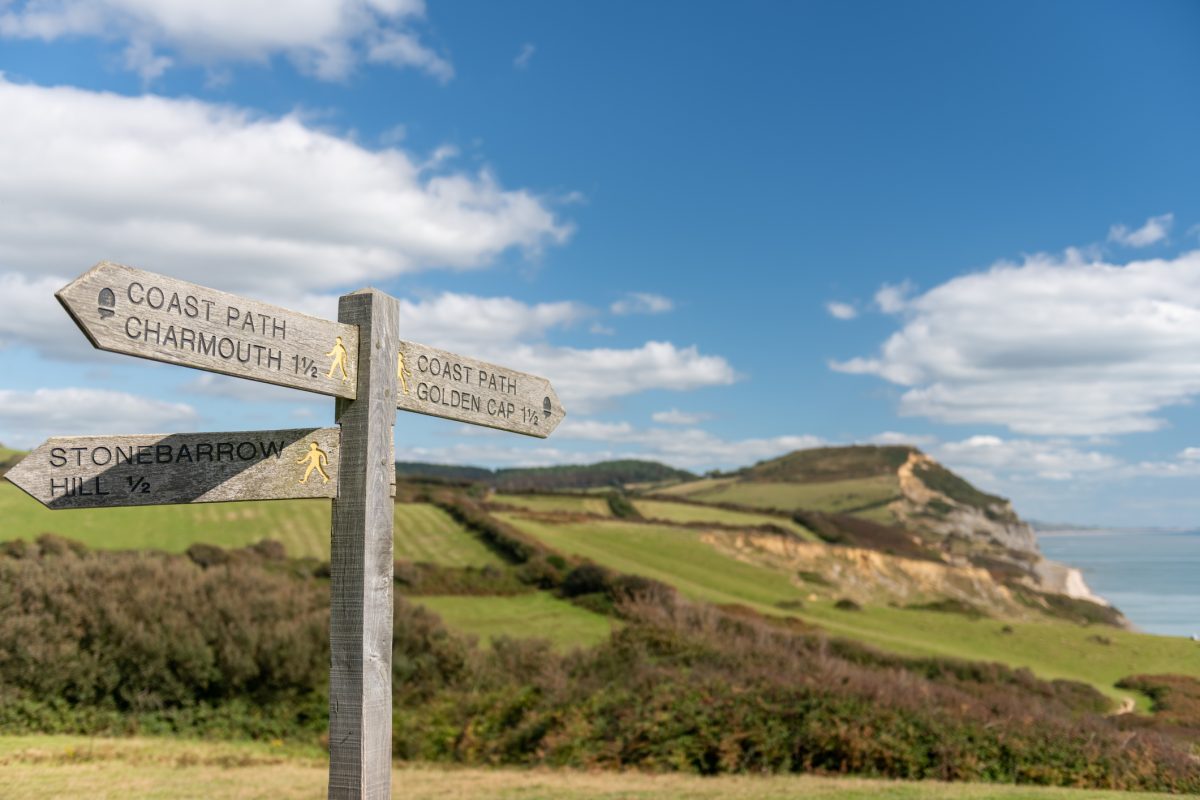
Golden Cap
At 191 metres, Golden Cap is the highest point on England’s south coast and one of the great landmarks of West Dorset.
The climb is worth it for the views along the Jurassic Coast, but the wider National Trust estate also deserves time.
Langdon Hill, Stonebarrow and the countryside surrounding Golden Cap offer numerous walking opportunities, with routes connecting Seatown, Charmouth and Chideock.
This is one we’d definitely recommend allowing several hours for, rather than simply walking to the summit and back.
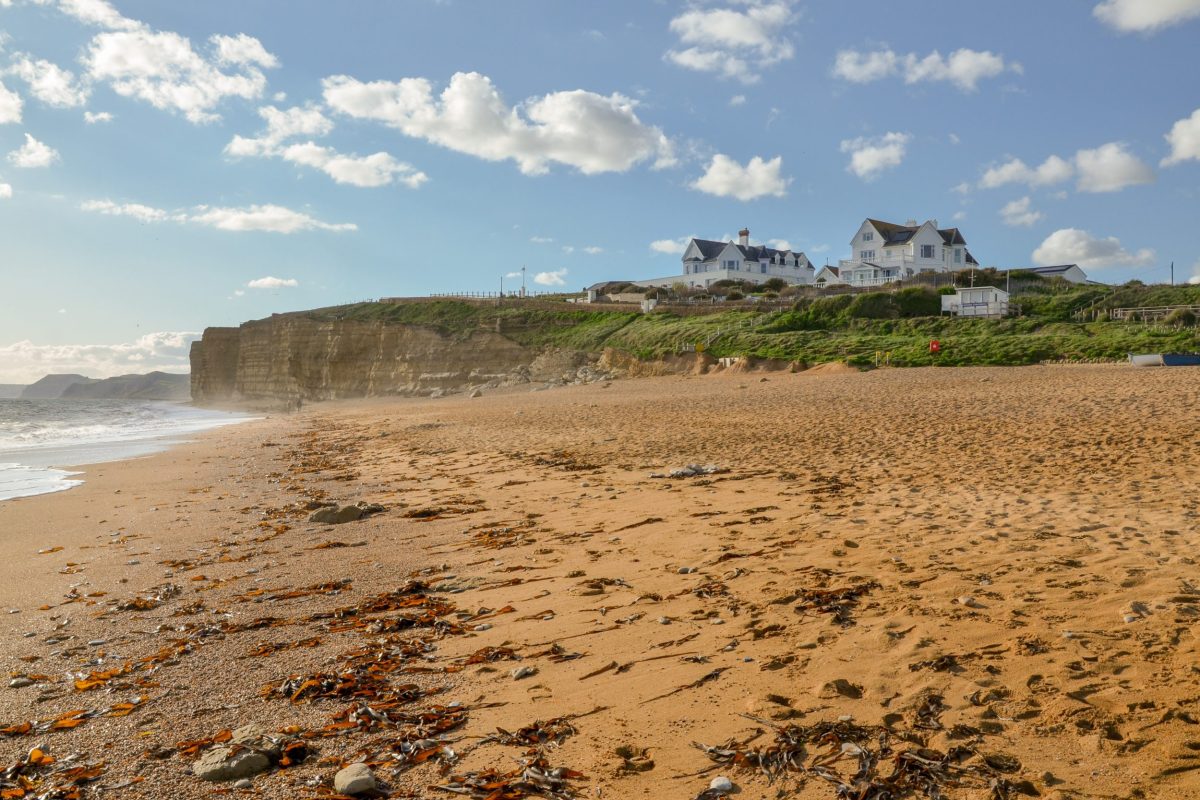
Hive Beach and Burton Bradstock
Further east, the National Trust cares for the coastline around Burton Bradstock and Hive Beach.
This is a stretch of the Jurassic Coast we know particularly well and return to regularly.
A walk along the coast, followed by something to eat at Hive Beach Café, is a very Dorset way to spend a few hours, although the beach is steep and the sea can be powerful, so this isn’t somewhere we’d treat as a sheltered swimming beach.
Continue west and you’re heading towards West Bay; east takes you towards Chesil Beach and Abbotsbury.

Ringstead Bay
Ringstead is another place we return to time and again.
The National Trust cares for the countryside and coastline around this quieter stretch of the Jurassic Coast, with superb walking towards White Nothe and coastal views towards Weymouth and Portland.
We’ve enjoyed many family and dog walks around Ringstead over the years, often continuing towards Bran Point or stopping at the Reef Café when it’s open.
It’s one of those places that shows why we always encourage guests to explore beyond Dorset’s headline beaches.
Lulworth Cove and Durdle Door are extraordinary, but quieter places such as Ringstead can be just as memorable.
Which National Trust Places Are Near Dorchester?
Dorchester is particularly well placed if National Trust sites are high on your holiday list.
Within the wider area you’ll find:
Hardy’s Cottage and Thorncombe Woods
Max Gate
Cerne Giant
Hardy Monument
Ringstead Bay
Clouds Hill
Although they aren’t all National Trust properties, you can easily combine them with Maiden Castle, Dorset Museum & Art Gallery, Abbotsbury and other historic places across the area.
That’s one reason we think our Dorchester holiday cottages are particularly well suited to guests who want to explore Dorset rather than spend every day at the beach.
Which National Trust Places Are Near Weymouth?
From Weymouth, we’d particularly look to:
Hardy Monument
Ringstead Bay
Max Gate
Hardy’s Cottage
Cerne Giant
Clouds Hill
Head east to continue towards Purbeck for Corfe Castle, Studland and Spyway; head west to reach Burton Bradstock and Golden Cap.
It’s one of the advantages of choosing Weymouth as a base. You have the beach and harbour on your doorstep, yet you can be out among the South Dorset Ridgeway, the Jurassic Coast and the Dorset countryside remarkably quickly.
Our Weymouth holiday cottages are ideal if you’d like to combine days by the sea with exploring some of Dorset’s historic houses, ancient landscapes and the National Trust coast.
National Trust Places Near Silverlake Estate
Silverlake Estate also serves as a particularly useful base for several of these places.
Clouds Hill is close by, while Hardy’s Cottage, Max Gate, Ringstead, Corfe Castle, Studland and the Purbeck coast can all be incorporated into days out from the estate.
Guests staying in our Silverlake Estate cottages also have access to lakes, woodland, walking, cycling and activities on the estate itself, so you don’t necessarily need to plan an excursion every day.
That’s something we particularly like about Silverlake: you can spend one day exploring Dorset and the next without getting back into the car at all.
Visiting National Trust Dorset with Dogs
Many of Dorset’s National Trust countryside and coastal sites make fantastic dog walks.
Studland, Ringstead, Golden Cap and Dorset’s hillforts can all be wonderful choices, but restrictions vary considerably between locations and at different times of year.
Some historic houses allow only assistance dogs inside; livestock frequently graze in National Trust countryside; and seasonal restrictions can apply to beaches and nature reserves.
We’d therefore always check the National Trust’s current information for the specific place before travelling.
If your dog is coming on holiday too, you’ll find more ideas in our local guides to Dorset walks, beaches and places to eat, as well as in our collection of dog-friendly cottages in Dorset.
Our Favourite National Trust Dorset Combinations
One of our best tips is to avoid treating every National Trust property as an isolated day out.
Dorset isn’t enormous, and some of the best days come from combining locations.
For history: Corfe Castle + Corfe village + Swanage Railway.
For dinosaurs and the coast: Spyway dinosaur footprints + Priest’s Way + Dancing Ledge.
For Thomas Hardy: Hardy’s Cottage + Thorncombe Woods + Max Gate + Dorchester.
For Lawrence of Arabia: Clouds Hill + Moreton + The Tank Museum.
For ancient Dorset: Hambledon Hill + Hod Hill.
For West Dorset: Golden Cap + Seatown + Bridport or West Bay.
For a walk and lunch: Hive Beach + Burton Bradstock.
For one of our favourite coastal walks: Ringstead + Bran Point + White Nothe.
For classic Purbeck: Studland + Old Harry Rocks + Corfe Castle.
That’s often how we explore Dorset. Rather than rushing around to tick attractions off a list, choose an area and spend the day discovering what surrounds it.
Planning Your National Trust Dorset Holiday
One of the reasons Dorset is such a rewarding place to explore is its diversity.
Within a relatively small county, you can wander through the rooms where Thomas Hardy wrote some of his greatest novels, climb the ruins of Corfe Castle, walk across an Iron Age hillfort, search for red squirrels on an island, stand beside a dinosaur footprint, and finish the day watching the sun sink towards the Jurassic Coast.
And there are still plenty of quieter places where you may hardly see another visitor.
Our collection of Dorset holiday cottages has been personally selected to provide guests with a wonderful base from which to explore the county. You’ll find everything from stylish coastal stays and luxury holiday cottages in Dorset to dog-friendly escapes, family houses, and our collection at Silverlake Estate.
If you’re particularly drawn to Corfe Castle, the Purbeck countryside and the Jurassic Coast, our Lulworth holiday cottages collection is another lovely option. Our handpicked cottage in Winfrith Newburgh offers a peaceful village base for exploring this part of Dorset, with Lulworth Cove and Durdle Door just a short drive away.
Wherever you stay, our advice is the same: don’t just visit the Dorset places you’ve already heard of.
Kingston Lacy, Corfe Castle, Brownsea and Studland absolutely deserve their reputations. But leave a little room for the Cerne Giant, Clouds Hill, an ancient hillfort, or those remarkable dinosaur footprints at Spyway.
They’re often the places you end up talking about when you get home.
Frequently Asked Questions
Some of the best-known National Trust places in Dorset include Kingston Lacy, Corfe Castle, Studland Bay, Brownsea Island, Golden Cap, Hardy’s Cottage and Max Gate. There are also many lesser-known places worth discovering, including Clouds Hill, Cerne Giant, Spyway dinosaur footprints, Hardy Monument and several ancient hillforts.
Hardy’s Cottage and Max Gate are the obvious choices near Dorchester. Cerne Giant, Hardy Monument, Ringstead Bay and Clouds Hill are also within the wider area, making Dorchester an ideal base for exploring National Trust places in central Dorset.
Ringstead Bay and Hardy Monument are particularly convenient to reach from Weymouth, with Max Gate, Hardy’s Cottage, Cerne Giant and Clouds Hill also accessible for days out. Weymouth also makes a useful starting point for exploring the Jurassic Coast.
Yes. The Cerne Giant is cared for by the National Trust. At 180 feet tall, it is Britain’s largest chalk hill figure. National Trust archaeological research suggests it was probably first created during the late Saxon period.
Yes. The famous dinosaur footprints at Keates Quarry are part of the National Trust’s Spyway landscape near Langton Matravers in Purbeck. The site contains more than 100 fossilised tracks, believed to have been left by sauropod dinosaurs around 145 million years ago.
Yes. Clouds Hill near Bovington is cared for by the National Trust and was the rural retreat of T. E. Lawrence, better known as Lawrence of Arabia. The tiny cottage remains closely associated with his life and personality.
No. Despite the name, the Hardy Monument commemorates Vice-Admiral Sir Thomas Masterman Hardy, Nelson’s flag captain aboard HMS Victory at the Battle of Trafalgar. Thomas Hardy, the novelist, is instead associated with Hardy’s Cottage and Max Gate near Dorchester.
Many National Trust coastal and countryside locations in Dorset welcome dogs, though restrictions vary. Dogs may need to be kept on leads near livestock or wildlife. Seasonal restrictions can apply on beaches, and historic houses generally have different rules. Always check the current guidance for the individual National Trust property before visiting.
There are excellent National Trust walks throughout Dorset, including Studland and Old Harry Rocks; Golden Cap and Langdon Hill; Ringstead Bay and White Nothe; Spyway and Dancing Ledge; Hambledon Hill; Hod Hill; Eggardon Hill; and several West Dorset hillforts.